Celebrating 20 Years of Guiding Stars: From Food Fads to Evidence-Based Nutrition
The Guiding Stars nutrition guidance program is celebrating its 20th anniversary by reflecting on the food fads that have come and gone, as well as the advancements in science-backed nutrition guidance. Over the years, various diets such as the Cabbage Soup Diet, Grapefruit Diet, and South Beach Diet have captured public attention, often driven by the lucrative U.S. weight loss industry, which is valued at over $300 billion annually. These fads highlight the complexities of dietary choices, influenced not only by trends but also by factors such as cooking time, income levels, and access to grocery stores, collectively known as the social determinants of health.
Experts agree that the best approach to nutrition and health is to rely on evidence-based science. Clear and unbiased nutrition information is essential for helping individuals make informed choices within their budgets and available options. However, the overwhelming amount of conflicting information can lead to confusion among shoppers. This confusion was a key motivator behind the creation of the Guiding Stars program, which has been assisting consumers in making informed grocery choices since its inception in 2006. Originally launched as a retailer initiative, it has evolved into a trusted program utilized by grocers, schools, hospitals, and workplaces across the United States.
The program's history includes notable fads such as the low-carb diets popularized by Dr. Robert Atkins and the South Beach Diet, which emphasized limiting simple carbohydrates while promoting complex carbs and healthy fats. Despite the popularity of these diets, evidence-based nutrition guidance has consistently recommended a balanced diet rich in nutrient-dense foods, including fruits, vegetables, and whole grains. The 2005 Dietary Guidelines for Americans underscored the importance of variety and nutrient density rather than restrictive eating.
In 2006, the International Food Information Council (IFIC) Foundation conducted the inaugural Food and Health Survey, revealing that only a third of respondents felt confident in the consistency of health information they received. Many reported avoiding foods recommended by dietary guidelines due to conflicting trends. This survey spurred the development of the Guiding Stars program, which employs a patented rating algorithm to help consumers navigate nutritional information effectively.
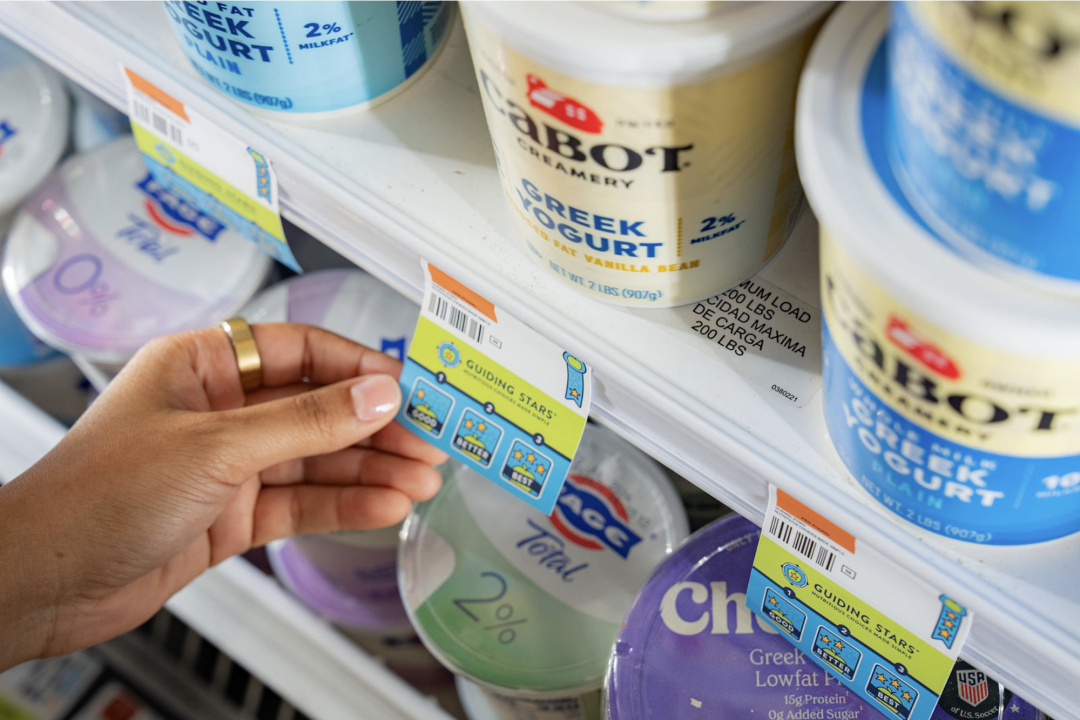
The Guiding Stars system rates food and beverage products based on attributes to encourage, such as fiber and whole grains, and those to limit, like added sugars and artificial preservatives. Products that meet specific nutritional criteria earn one, two, or three stars, indicating their relative healthfulness. The program gained recognition in 2009 when the U.S. Surgeon General cited it as a significant contributor to improved nutrition at the CDC's inaugural Conference on Obesity Prevention.
Adapting to Evolving Dietary Trends and Guidelines
As dietary trends evolved, so did the Guiding Stars program, which adapted its algorithms to align with the latest nutrition science and dietary guidelines. The 2010 Dietary Guidelines for Americans encouraged increased consumption of whole grains, fruits, and vegetables while reducing sodium and added sugars. The transition from the MyPyramid to the MyPlate graphic further simplified dietary recommendations, promoting a balanced plate filled with fruits and vegetables.
With the rise of plant-based diets and the popularity of alternative meat products, the Guiding Stars program continued to adapt. Research indicated that the program positively influenced consumer behavior, encouraging healthier food choices. As the 2020s approached, the focus shifted towards gut health and fermented foods, reflecting broader dietary trends.
Navigating the Future of Nutrition with Guiding Stars
Despite the rapid pace of food fads, Americans are increasingly health-conscious and attentive to nutritional value. The Guiding Stars program remains committed to evolving alongside scientific advancements in nutrition. Recent updates to the program's algorithms ensure that it continues to provide relevant and accurate guidance for consumers, helping them make informed choices in a complex food landscape.
As the Guiding Stars program moves forward, its mission to simplify nutrition remains steadfast. The program's apple icons with highlighted stars serve as a quick reference for consumers, not only on grocery store shelves but also on product packaging and in the Guiding Stars app, reinforcing its commitment to promoting healthier eating habits based on the latest scientific evidence.