A recent study published in Nature Communications has identified ten dietary patterns that are associated with slower biological aging. Conducted by researchers from the German Centre for Neurodegenerative Diseases, the study analyzed data from over 6,000 participants and found…
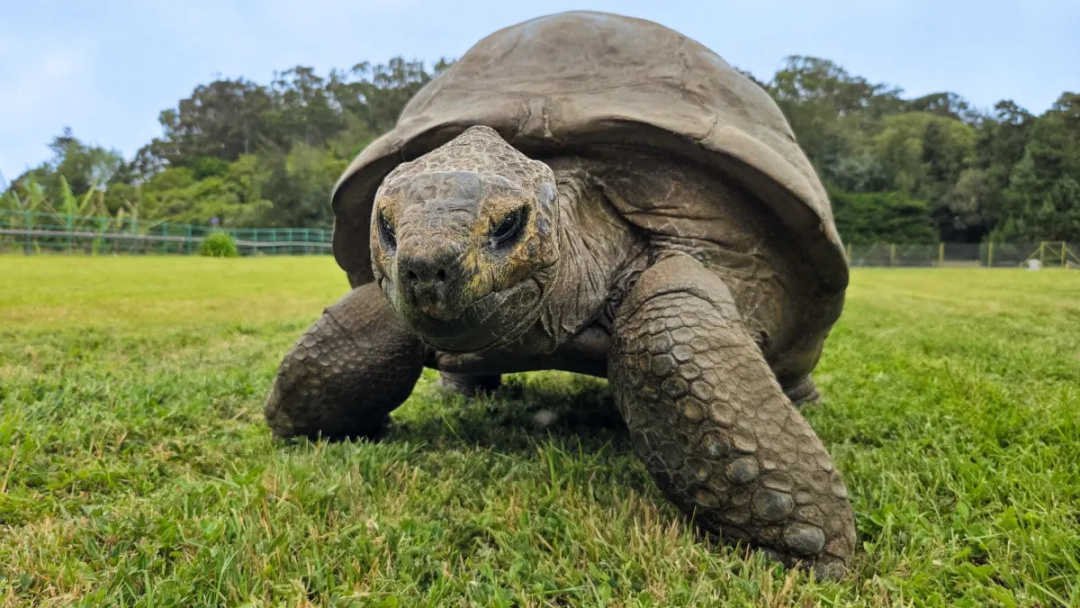
A recent study highlights the genetic factors that contribute to the extraordinary lifespan of Jonathan, the world's oldest tortoise, who is 194 years old. Researchers identified…
A recent study published in EMBO Reports highlights how obesity may leave a lasting biological imprint on immune cells, potentially keeping health risks elevated for years after w…
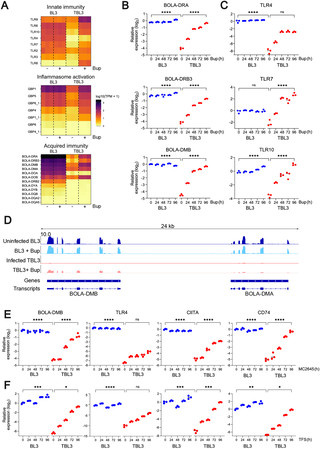
A recent study reveals how Theileria annulata parasites evade the immune system in cattle by epigenetically silencing genes associated with innate and adaptive immunity. This mech…
Recent research highlights how early life stress can lead to significant epigenetic changes that affect brain development and increase the risk of neuropsychiatric disorders. This…
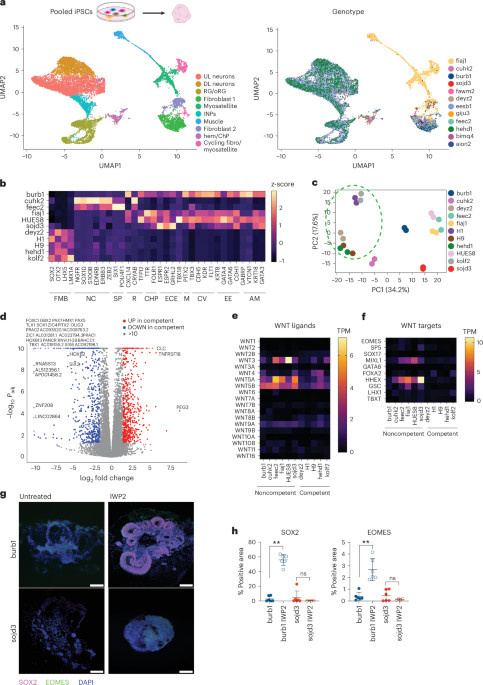
Recent research highlights the variability in differentiation potential among human pluripotent stem cells (hPSCs) and introduces a chemical chromatin restoration approach that ma…
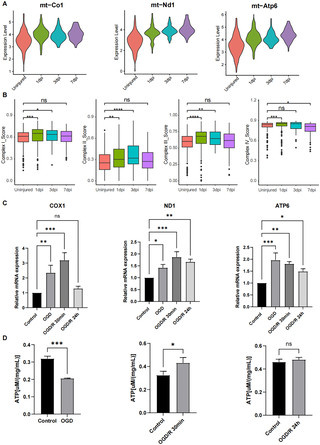
A recent study investigates the dynamics of N1-methyladenosine (m1A) RNA modification in the context of spinal cord injury (SCI). The research reveals that m1A levels fluctuate si…
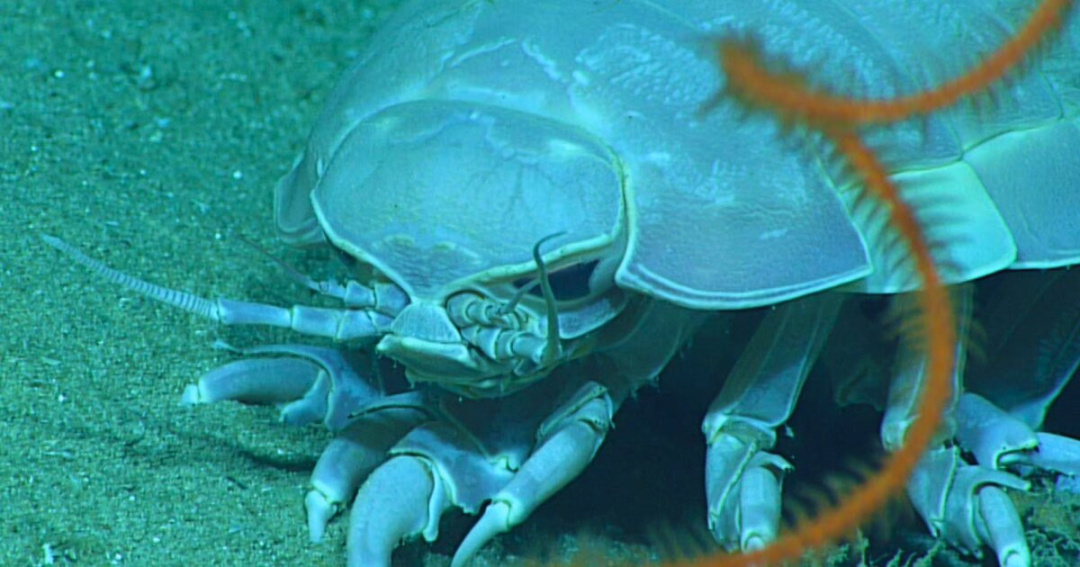
Research reveals that the deep-sea isopod Bathynomus has adapted to survive for over five years without food by incorporating a gene from bacteria, which significantly slows its m…
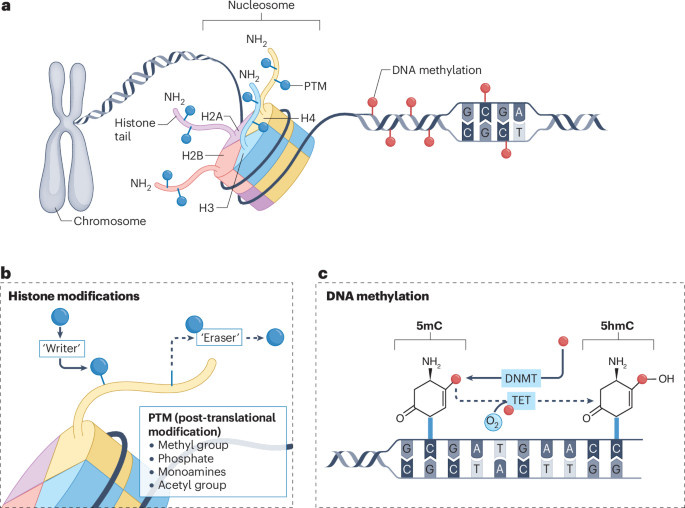
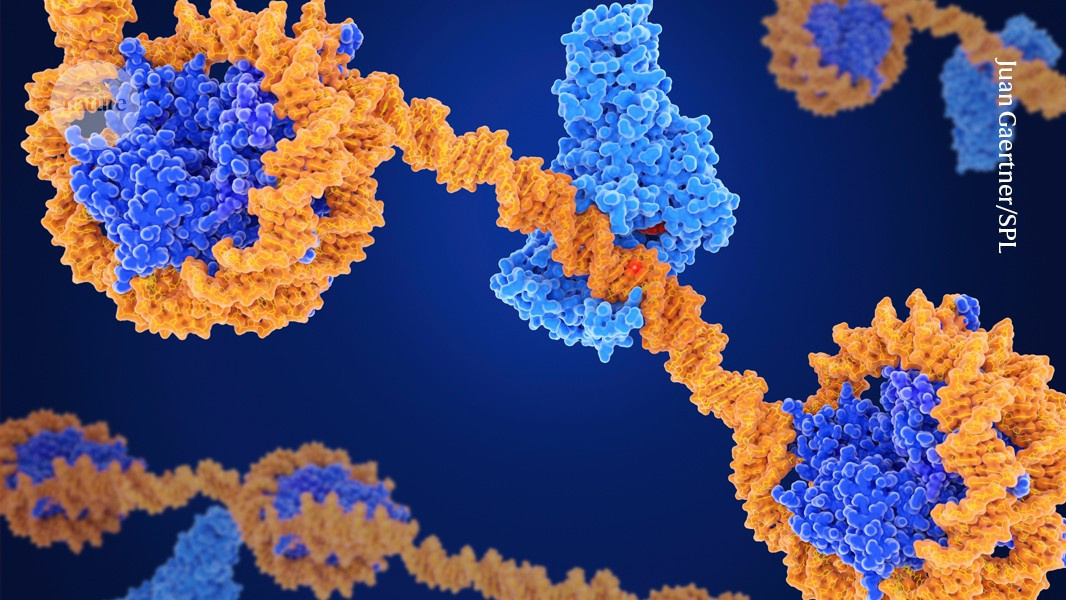
Researchers are making significant strides in epigenetic editing, a technique that modifies chemical tags on DNA to influence gene expression without altering the genetic code its…

 Breathing.Food