Advancements in Epigenetic Editing: A New Frontier in Gene Regulation
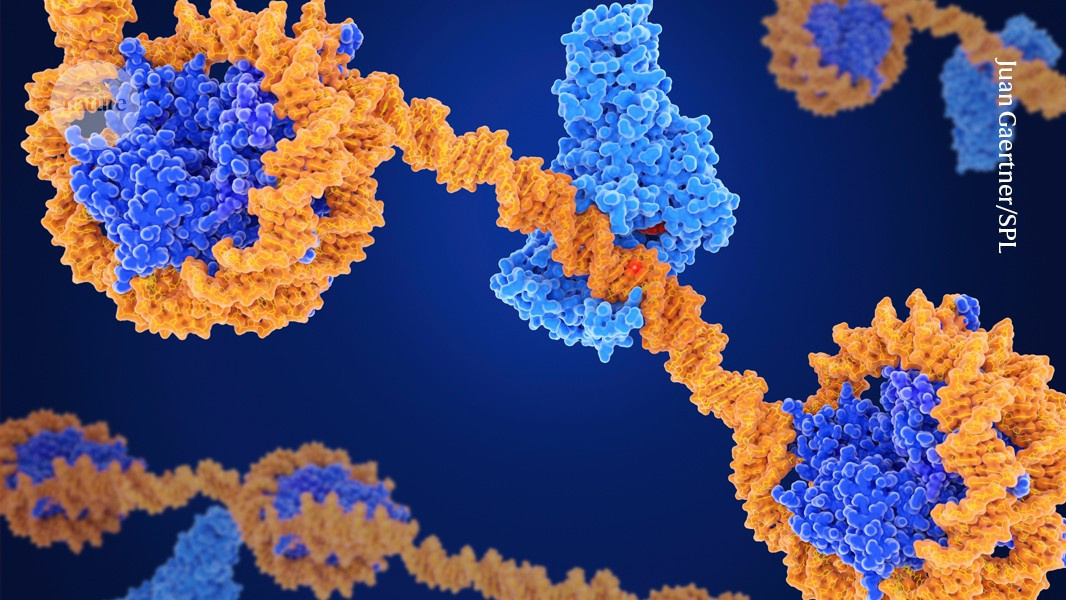
Epigenetic editing is emerging as a groundbreaking method in the field of genetics, allowing researchers to modify chemical tags on DNA and chromatin to influence gene expression. This innovative approach has gained traction over the past two decades, particularly with the advent of CRISPR technology, which enables precise targeting of epigenetic modifications. Marianne Rots, an epigeneticist at the University Medical Center Groningen in the Netherlands, has been a pioneer in this area, advocating for the potential of epigenome editing to adjust gene expression. Initially met with skepticism, the field has evolved significantly, with numerous companies now exploring its therapeutic applications.
Unlike traditional gene editing, which involves cutting DNA and relying on cellular repair mechanisms, epigenetic editing offers a gentler alternative. This method can induce temporary or permanent changes in gene expression without altering the underlying DNA sequence. Charles Gersbach, a biomedical engineer at Duke University, emphasizes the sophistication of epigenetic editing, noting that it allows for simultaneous modifications at multiple genomic sites, a feat that is challenging with conventional gene editing due to the risks of unintended genetic rearrangements.
The implications of epigenetic editing extend beyond basic research; it is being utilized in various therapeutic contexts. For instance, Elizabeth Heller, a neuroscientist at the University of Pennsylvania, investigates the genetic effects of cocaine use through epigenetic modifications. Her preliminary findings suggest that withdrawal from cocaine alters histone methylation at specific genetic loci, impacting gene expression. To further understand these changes, Heller employs epigenetic editors to manipulate epigenetic marks.
The technology behind epigenetic editing typically consists of a targeting mechanism, often a modified CRISPR Cas enzyme that does not cut DNA, paired with guide RNAs to direct it to specific genomic locations. The second component, known as the effector, modifies DNA or histones directly or influences gene expression by recruiting transcriptional machinery. Researchers can achieve temporary changes by introducing plasmids encoding these editors, while longer-lasting modifications may involve integrating the editor into the host genome.
Notably, researchers like Angelo Lombardo are exploring the therapeutic potential of epigenetic editing. His work includes a method termed "hit and run" editing, which aims to achieve long-term gene regulation through transient expression of epigenetic editors. Lombardo's team has successfully silenced the Pcsk9 gene in mice, leading to significant reductions in cholesterol levels, showcasing the potential of epigenetic strategies in treating metabolic conditions.
As epigenetic editing continues to develop, its applications are expanding into agriculture, where scientists are manipulating plant epigenomes to enhance desirable traits without altering the DNA sequence. This intersection of epigenetics and agriculture could lead to innovative solutions for food production challenges.
In conclusion, while epigenetic editing presents exciting opportunities for advancing our understanding of gene regulation and developing novel therapies, it also poses challenges due to the complexity of the epigenome. Ongoing research is essential to unravel the intricacies of epigenetic modifications and their long-term implications, paving the way for safe and effective applications in medicine and agriculture.