The Role of Early Life Stress in Shaping Brain Development and Affective Disorder Risk
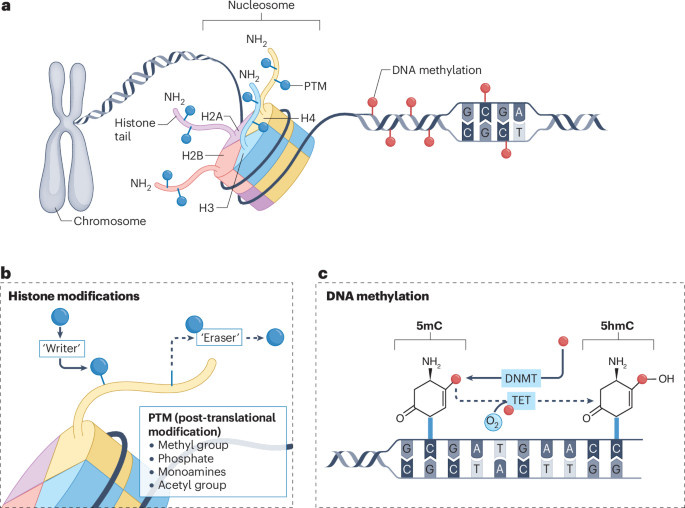
Early life stress has profound effects on brain development, particularly during sensitive periods, through persistent epigenomic changes that influence gene regulation, neural circuit maturation, and susceptibility to neuropsychiatric disorders. Studies in both animal models and humans reveal that early adversity can remodel DNA methylation patterns, alter histone post-translational modifications, and reorganize chromatin structure, leading to enduring changes in transcriptional programs. These epigenetic responses are highly specific to cell types, brain regions, and developmental stages, with distinct molecular adaptations observed in neurons and glial cells that ultimately contribute to various behavioral outcomes.
Emerging evidence also highlights the role of non-coding RNAs as significant regulators of gene expression in response to stress, although their long-term implications are less well understood compared to other epigenetic mechanisms. Furthermore, peripheral epigenetic markers linked to early life stress may serve as accessible biomarkers for assessing exposure and potential disease risk.
To fully comprehend the biological embedding of early life stress and to identify mechanisms that promote resilience, it is essential to integrate epigenomic, transcriptomic, circuit-level, and behavioral approaches. Such comprehensive research could lead to improved therapeutic strategies aimed at mitigating the long-term effects of early life adversity on mental health.