Chemical Method Boosts Differentiation Potential of Human Pluripotent Stem Cells
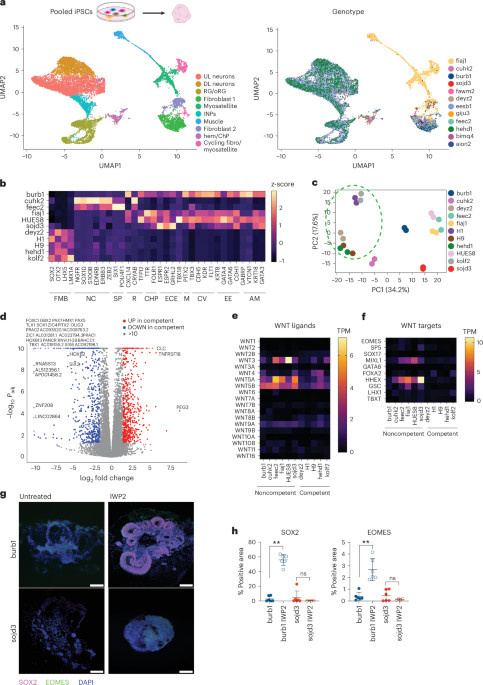
Human pluripotent stem cells (hPSCs), which include embryonic stem cells (hESCs) and induced pluripotent stem cells (hiPSCs), are known for their ability to differentiate into various cell types. However, they often exhibit differentiation biases that can complicate their use in regenerative medicine and disease modeling. A recent study investigates the underlying causes of these biases and presents a novel chemical chromatin restoration (CHR) method aimed at improving the differentiation potential of hPSCs. The research identifies that the loss of default neural differentiation capacity and the inability to form brain organoids are associated with a shift from an anterior epiblast-like state to a posterior one. This shift is characterized by a loss of bivalent chromatin marks at developmental gene loci, which occurs independently of DNA methylation. The CHR method effectively reinstates the transcriptional programs and chromatin landscapes typical of the anterior epiblast-like state, thereby restoring the broad differentiation potential of previously compromised hPSC lines. The findings underscore the importance of locus-specific patterns of histone modifications as key determinants of hPSC fate competency. By leveraging the natural diversity among human PSC lines, the study explores how epiblast regionalization influences differentiation competency, particularly towards neural identities. The results demonstrate that inter-individual differences in hPSC differentiation potential may arise from both genetic variation and complex epigenetic factors. The research also highlights the potential of the CHR approach to rescue differentiation-compromised hPSC lines, offering promising avenues for future applications in regenerative medicine and disease modeling. Overall, this study contributes to a deeper understanding of the epigenetic mechanisms governing hPSC differentiation and presents a practical solution for enhancing their utility in scientific and medical research.