m1A RNA Modification Linked to Microglial Changes and Neuronal Adaptation Post-Injury
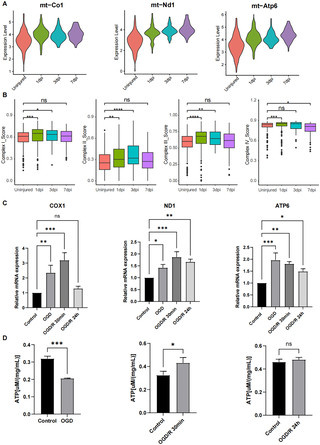
Spinal cord injury (SCI) is a critical neurological condition that can lead to long-term disability, yet the underlying molecular mechanisms driving injury progression and recovery are not fully understood. Recent research has indicated that epigenetic factors, particularly RNA modifications like N1-methyladenosine (m1A), may play a significant role in the cellular response to injury. This study focuses on the changes in m1A levels following SCI, utilizing transcriptomic data to derive an m1A score based on the expression of regulatory genes involved in m1A modification, known as writers, erasers, and readers. The findings show a rapid increase in the m1A score within the first day post-injury, followed by a decline below baseline levels by days three and seven. Notably, microglia exhibited a consistent decrease in m1A scores across all time points, while neurons showed a sustained increase. This suggests that m1A dynamics are closely linked to the phenotypic transformation of microglia and the metabolic adaptation of neurons in response to SCI. The study utilized both in vivo and in vitro analyses to validate these findings, emphasizing the potential of m1A-related regulators as therapeutic targets in the context of SCI. Understanding the role of m1A in the injury response may pave the way for new strategies aimed at enhancing recovery and improving outcomes for individuals affected by SCI. The research underscores the complexity of cellular responses following spinal cord injury and the need for further exploration of m1A's implications in neurobiology and therapeutic development.