A recent study from the University of Freiburg revealed that consuming 100 grams of sauerkraut daily for four weeks can lead to a reduction in systolic blood pressure among healthy adults. The research, which involved both fresh and pasteurized sauerkraut, showed similar benefit…
A recent study published in the International Journal of Molecular Sciences highlights the selective effects of curcumin, a compound found in turmeric, on mouse fibrosarcoma cells…
The color of egg yolks can vary significantly, with darker orange yolks often perceived as healthier. This article explores how the yolk's color reflects the hen's diet, primarily…
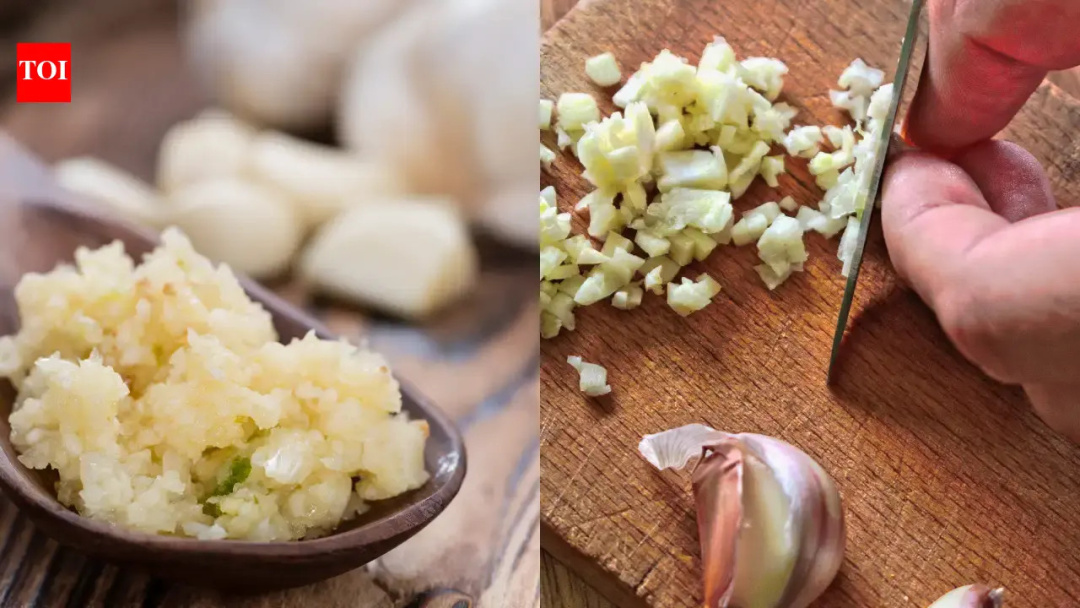
Research indicates that how garlic is prepared—whether crushed, chopped, or left whole—can significantly influence its flavor and health benefits. Crushing garlic leads to greater…
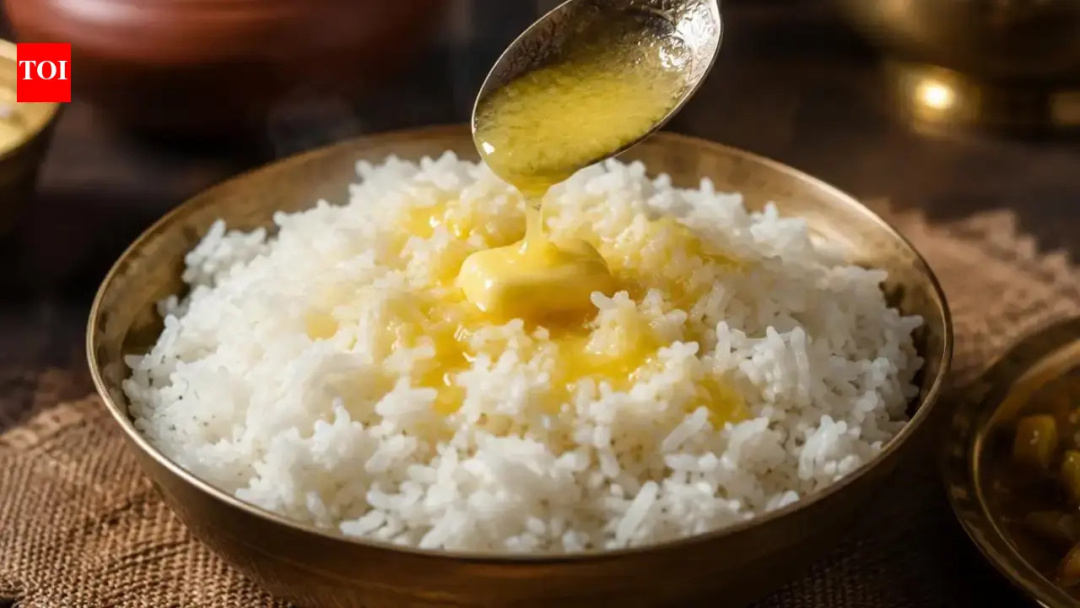
The practice of adding ghee to rice, a staple in Indian cuisine, is rooted in tradition and supported by modern research. Studies suggest that this combination may enhance digesti…
Dr. Gabrielle Lyon, a pioneer in muscle-centric medicine, argues that skeletal muscle is crucial for metabolic health and longevity, challenging conventional weight-loss wisdom. H…
The effectiveness of dietary supplements often hinges on bioavailability, the degree to which active ingredients reach the bloodstream. Many supplements lose potency due to factor…
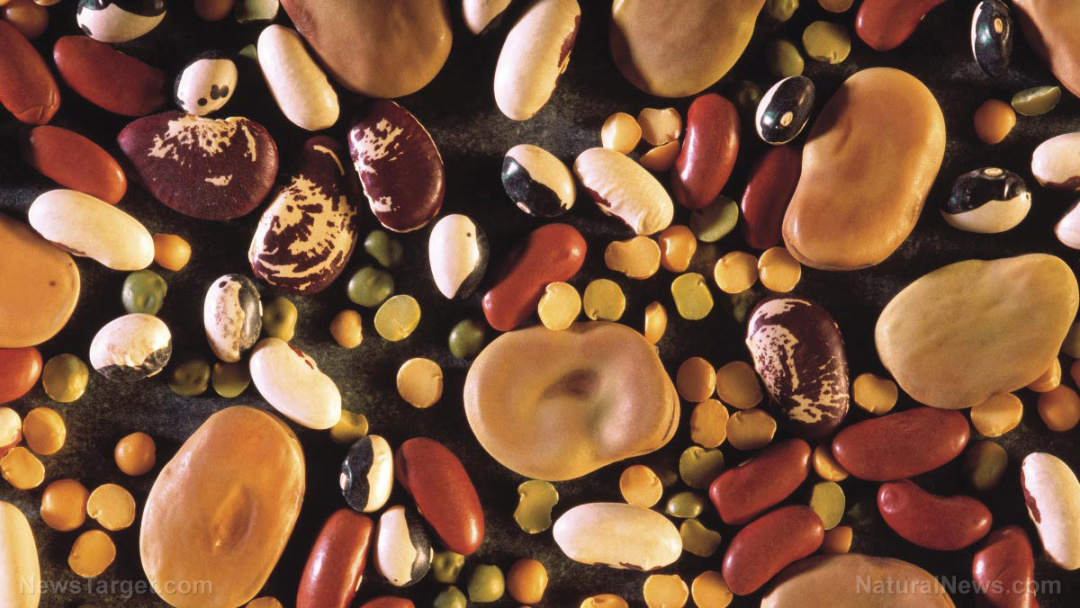
Legumes, often overlooked in discussions about calcium sources, are emerging as essential foods for bone health. With significant calcium content, particularly in soybeans and win…
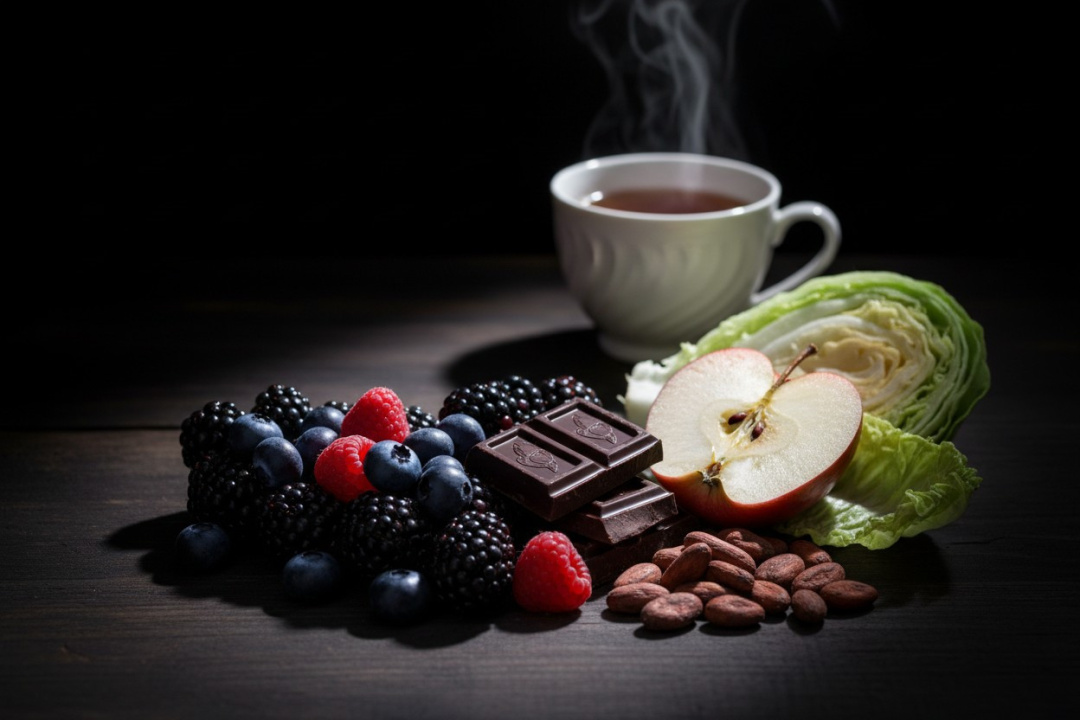
A recent study published in the journal Food & Function indicates that fewer than 25% of adults who follow standard dietary guidelines for fruits and vegetables achieve the recomm…
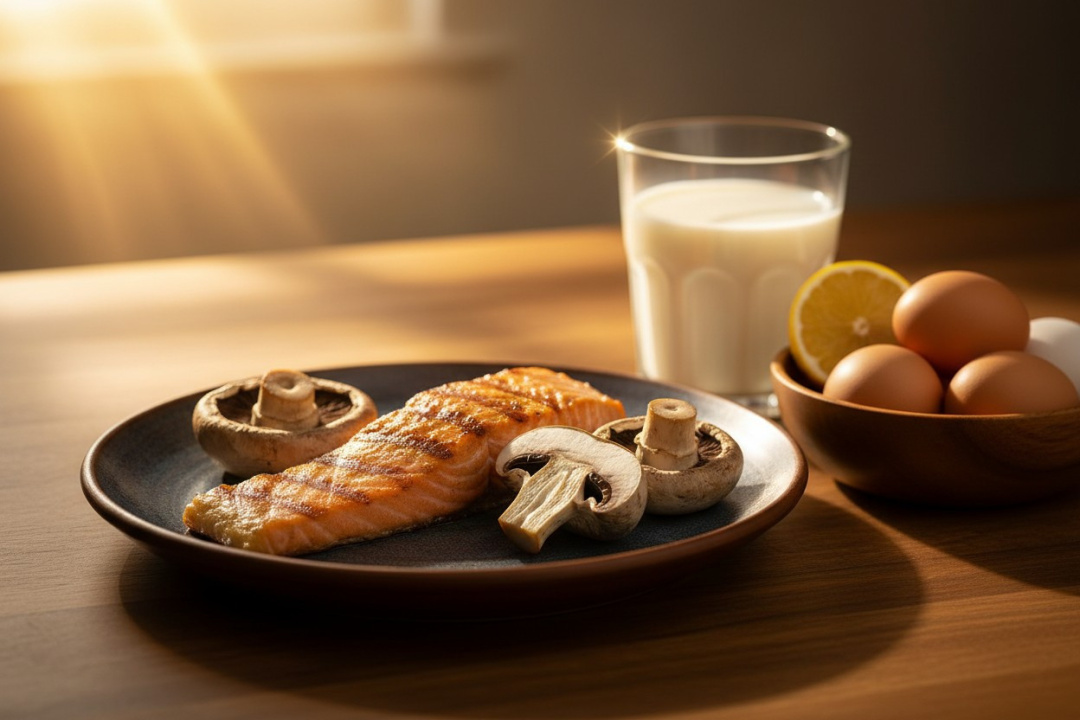
A recent article highlights the significance of vitamin D and how food sources can serve as alternatives to supplements. Nutrition experts emphasize that modern diets and processe…

 Breathing.Food