Garlic Preparation: Crushing vs. Chopping and Its Impact on Health Benefits
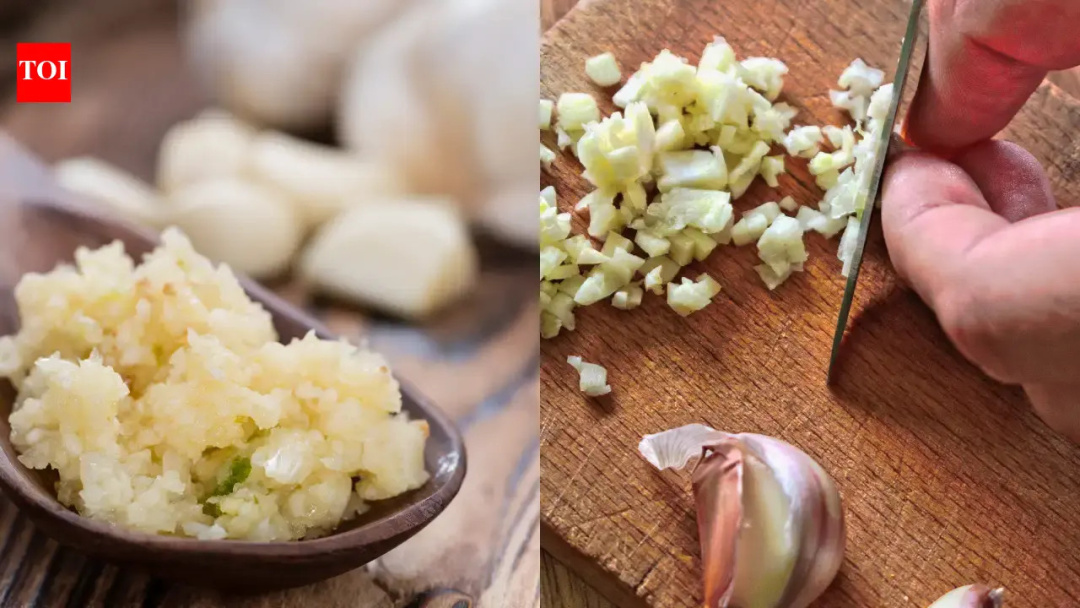
Garlic is widely recognized as a healthful ingredient in cooking, but the method of preparation can greatly influence both its flavor and the health benefits it provides. The key lies in the chemistry of garlic, which contains an amino acid derivative known as alliin and an enzyme called alliinase. When a clove is intact, these components remain separate. However, once garlic is cut, crushed, or grated, the plant's cells rupture, allowing alliinase to convert alliin into allicin, the compound responsible for garlic's distinctive aroma and many of its health benefits. Generally, crushing garlic produces more allicin compared to chopping, as it disrupts more cell walls, allowing greater interaction between alliin and alliinase. This results in a sharper taste and stronger aroma. Methods such as finely mincing or grating also lead to significant allicin production due to extensive cell breakdown, while thicker slices or coarse chunks retain more intact cells, resulting in lower allicin levels until further broken down during chewing.
Interestingly, the timing of cooking garlic may be just as crucial as the method of preparation. Experts recommend allowing freshly crushed or chopped garlic to rest for about 10 minutes before cooking. This resting period allows alliinase sufficient time to convert alliin into allicin before heat inactivates the enzyme. Studies published in The Journal of Nutrition indicate that heating garlic immediately after chopping can significantly reduce the formation of beneficial allyl sulfur compounds. By letting garlic sit, more of its bioactive properties are preserved, enhancing its health benefits.
While cooking garlic does alter its health properties, it does not eliminate them entirely. Alliinase is sensitive to heat, meaning that roasting or frying garlic immediately can prevent much of the allicin from forming. Nevertheless, cooked garlic still contains other sulfur compounds that may contribute to its antioxidant and cardiovascular benefits, albeit at lower levels of allicin. Research published in the National Library of Medicine has shown that while crushed raw garlic has the highest allicin bioavailability, cooked garlic can still provide health-promoting sulfur compounds, although its antimicrobial effects may be stronger when consumed fresh.
The scientific community has shown considerable interest in allicin and related sulfur compounds. A review published in the National Library of Medicine summarized findings from human intervention studies, indicating that garlic and its bioactive compounds may offer antioxidant, anti-inflammatory, cardioprotective, antimicrobial, and metabolic benefits. However, the authors noted that garlic's rapid metabolism and limited bioavailability necessitate further well-controlled clinical research to confirm these health benefits. Studies have suggested that garlic can have cardioprotective effects, potentially reducing risk factors associated with various cardiovascular conditions. Despite promising results from experimental studies, human clinical trials have yielded variable outcomes, particularly concerning cholesterol reduction, due to differences in garlic preparations, dosages, and study durations.
In conclusion, while crushing garlic yields slightly more allicin, finely mincing or grating also produces significant amounts. Regardless of the method chosen, the most critical practice is to allow freshly prepared garlic to rest for about 10 minutes before cooking. This simple step enhances allicin production, enriches the garlic flavor, and may lead to greater health benefits. Ultimately, the best garlic is the one that is regularly incorporated into meals, whether crushed into a curry, minced into pasta, or stirred raw into a dressing, making it an easy way to add flavor and valuable plant compounds to your diet.