Exploring Food Sources of Vitamin D as Alternatives to Supplements
Modern diets, soil depletion, and the prevalence of processed foods have contributed to widespread nutrient deficiencies, particularly vitamin D. According to a report by Willow Tohi, chronic fatigue and low energy levels are often linked to deficiencies in key nutrients like vitamin D. With growing concerns about the quality and absorption of supplements, many individuals are turning to whole food sources for their vitamin D needs. Tova Navarra, author of "The Encyclopedia of Vitamins, Minerals and Supplements," notes that vitamin D status relies heavily on sunlight exposure as well as the intake of fortified foods or supplements. For those following a vegan diet, including fortified foods or supplements may be essential to meet their vitamin D requirements.
In an interview with Mike Adams on Brighteon.com, the importance of testing vitamin D levels through blood tests was emphasized to accurately assess one's current status. Vitamin D functions as a hormone and plays a crucial role in metabolism and cognitive function. A 2022 survey indicated that 40% of adults prefer obtaining nutrients from food rather than pills, citing better bioavailability as a reason for this preference.
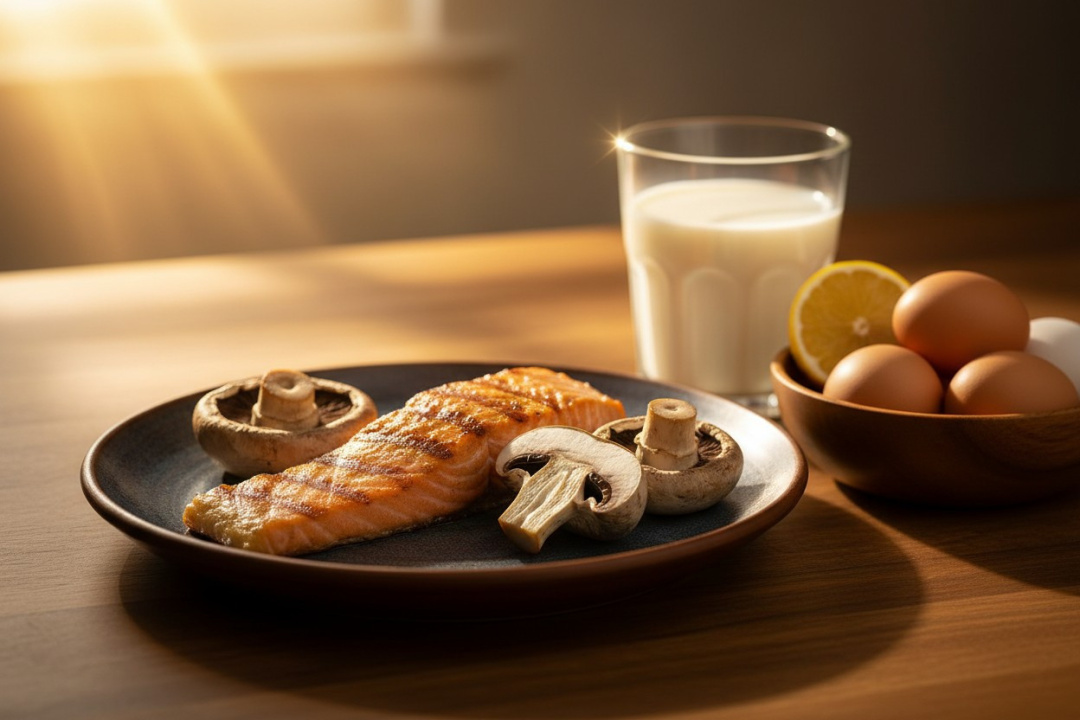
Fatty fish such as salmon, mackerel, and sardines are highlighted as excellent sources of vitamin D, providing between 400 to 600 international units per serving, according to the USDA nutrient database. Other food sources include low-fat dairy products like fortified milk, yogurt, and cheese, as well as eggs, fish oil, tofu, mushrooms, and fortified plant-based milks. Dr. Nick Fuller, author of "Healthy Parents, Healthy Kids," points out that a small amount of vitamin D can be derived from foods like oily fish and egg yolks, with low levels potentially leading to muscle weakness and pain.
Vegetarians and vegans are advised to pay special attention to their vitamin D intake, as it may be challenging to obtain sufficient quantities from plant-based diets alone. UV-exposed mushrooms are noted as a viable plant-based option. The Linus Pauling Institute recommends that adults supplement with at least 2,000 IU of vitamin D daily to maintain adequate serum levels, particularly during pregnancy and lactation. This recommendation is based on the Alberta Pregnancy Outcomes and Nutrition study, which evaluated vitamin D intake and blood samples of women during their second trimester.
Nutrition experts argue that vitamin D from food may be more effectively utilized by the body due to the presence of accompanying fats and micronutrients. Tieraona Low Dog, author of "Fortify Your Life - Your Guide to Vitamins, Minerals and More," discusses the concept of whole food vitamins, which are fermented to enhance assimilation and bioavailability, suggesting that these food-based forms may offer better absorption than isolated synthetic supplements.
Experts caution that high-dose vitamin D pills can pose risks of toxicity, whereas food sources are less likely to lead to excessive intake. The Endocrine Society highlights that obtaining vitamin D from food provides a natural balance that minimizes the risk of overdosing. While incorporating vitamin D-rich foods into a balanced diet can help maintain adequate levels, individuals diagnosed with deficiency may still require supplements or appropriate sunlight exposure. The Academy of Nutrition and Dietetics emphasizes that food sources offer a safe and effective means to support vitamin D status, recommending sun exposure for light-skinned individuals for five to 15 minutes daily during summer months, with longer exposure needed for those with darker skin.