Dr. Gabrielle Lyon Advocates for Muscle-Centric Medicine to Enhance Longevity
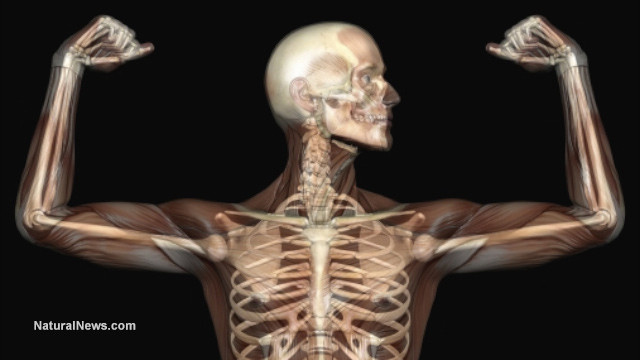
For many years, conventional health wisdom has prioritized weight loss as the primary indicator of wellness. However, Dr. Gabrielle Lyon, a physician and leader in muscle-centric medicine, presents a different perspective. In a recent episode of "the mindbodygreen podcast," she argues that skeletal muscle, rather than body weight alone, plays a vital role in metabolic health, longevity, and independence as we age. Lyon, who is also a New York Times bestselling author and founder of the Institute for Muscle-Centric Medicine, challenges the restrictive diet culture prevalent in mainstream health advice. She emphasizes the importance of strength training as a lifelong commitment that yields benefits beyond mere aesthetics. According to her research, muscle functions as a dynamic organ that is essential for various physiological processes, including blood sugar regulation and cardiovascular health. Lyon categorizes the role of skeletal muscle into three critical areas, each with significant implications for longevity. One of her key insights challenges the traditional notion of "progressive overload"—the idea that lifting heavier weights is the only way to achieve muscle growth. She cautions that this approach can be counterproductive for older adults, as muscles can gain strength more quickly than the tendons and joints that support them. Instead, Lyon advocates for a method she calls "progressive stimulus," which involves varying the tempo, volume, and type of exercises to challenge muscles without overstraining connective tissues. This approach prioritizes long-term health over short-term gains, thereby reducing the risk of injury while still providing metabolic benefits. Lyon's nutritional philosophy centers on the importance of high-quality protein, particularly leucine, an amino acid that triggers muscle protein synthesis. She suggests that adults should aim for approximately 2.5 grams of leucine per meal to optimize muscle repair. Additionally, she highlights the roles of other amino acids, such as threonine, which supports gut health, and methionine, a precursor to the antioxidant glutathione. While animal proteins are noted for their bioavailability, Lyon advises those following plant-based diets to strategically combine complementary proteins, such as beans and rice, to ensure they receive a complete amino acid profile. Lyon also addresses the growing use of GLP-1 medications, like Ozempic, for obesity management, warning of potential consequences such as muscle and bone loss. Research indicates that many users discontinue these medications within two years, often regaining weight primarily as fat, which can accelerate sarcopenia, the age-related loss of muscle mass. Lyon's protocol for individuals using GLP-1 medications includes a focus on resistance training, adequate protein intake (including shakes if appetite is low), and potential hormone support to help preserve lean mass. Ultimately, Lyon's message is one of empowerment. She emphasizes that there is no singular "right" way to train; rather, the key is to commit to consistent resistance work and smart nutrition. She asserts, "You're not building muscle for some distant future; you're building the capacity to show up fully, right now and for decades to come." In a society often fixated on quick fixes, Lyon's science-based approach offers a radical yet practical roadmap to resilience that can withstand the test of time.