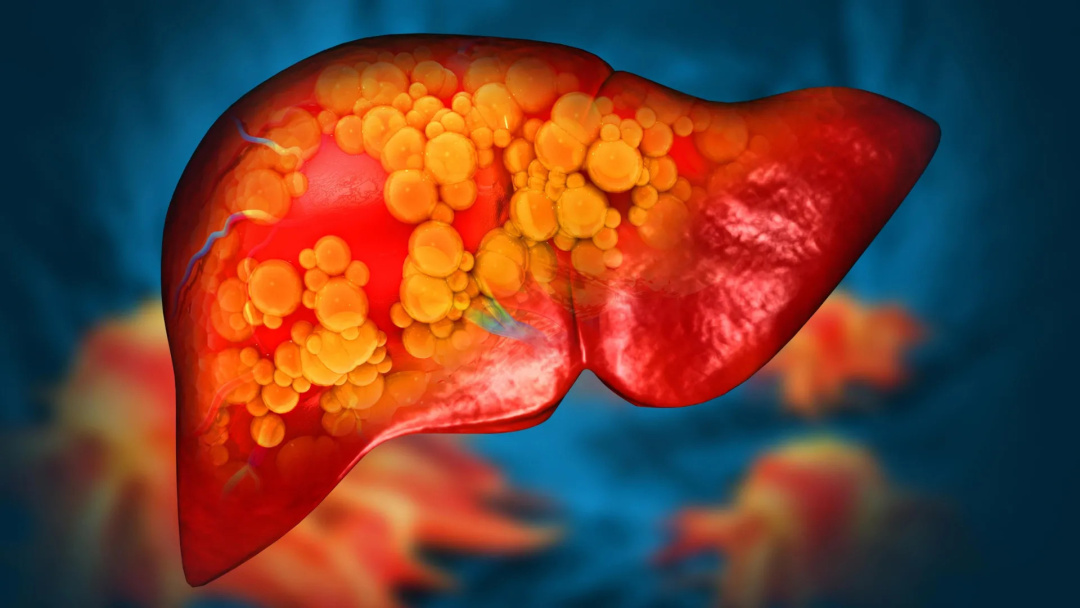
A recent study involving nearly 200,000 U.S. adults has found that late-night eating is linked to a 36% higher risk of developing fatty liver disease and a 28% increased risk of cirrhosis. This research highlights the importance of meal timing in relation to liver health, sugges…
A recent study published in the Journal of Affective Disorders reveals that irregular meal timing may significantly affect mental health. The research indicates that adults with i…
Recent observational studies have found a correlation between heavier alcohol consumption and increased levels of visceral fat, which surrounds internal organs. While these findin…
A recent study highlights how abdominal fat, particularly visceral fat, may exacerbate menopause symptoms such as hot flashes and irritability. Researchers found that higher level…
A recent study involving nearly 200,000 adults has found that late-night eating is associated with a higher risk of liver diseases, including metabolic dysfunction-associated stea…
A recent study involving nearly 200,000 participants has found that eating late at night is associated with a significantly higher risk of liver disease, including metabolic dysfu…
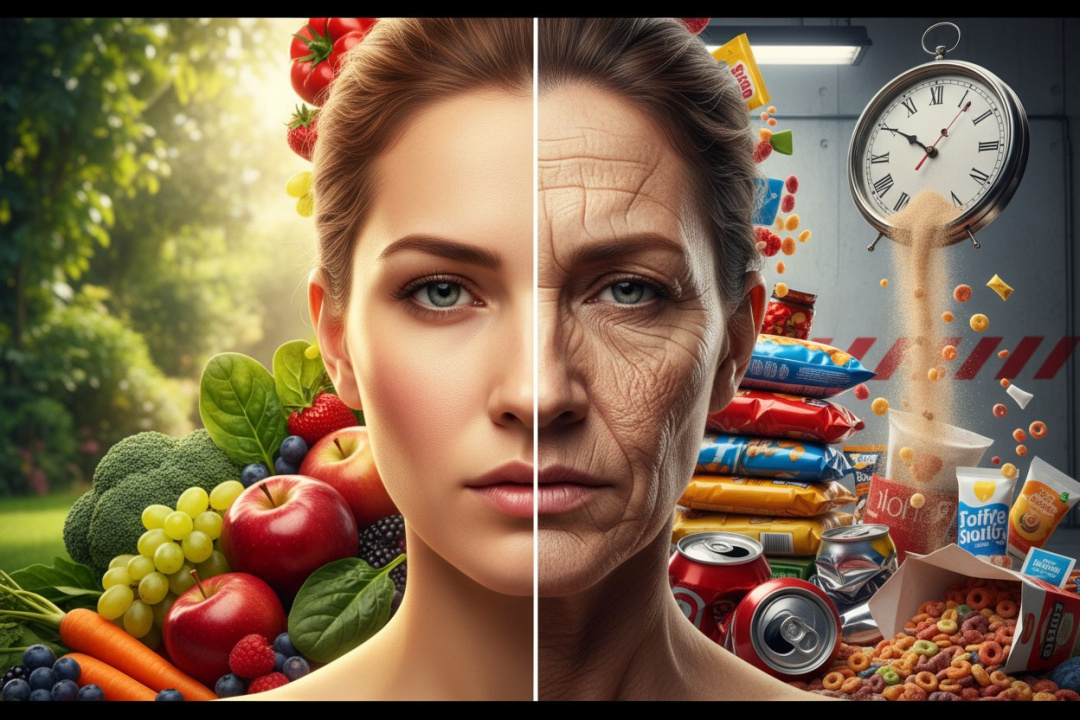
Recent studies have found concerning links between the consumption of ultra-processed foods and structural changes in the brain, affecting areas related to hunger and emotional re…
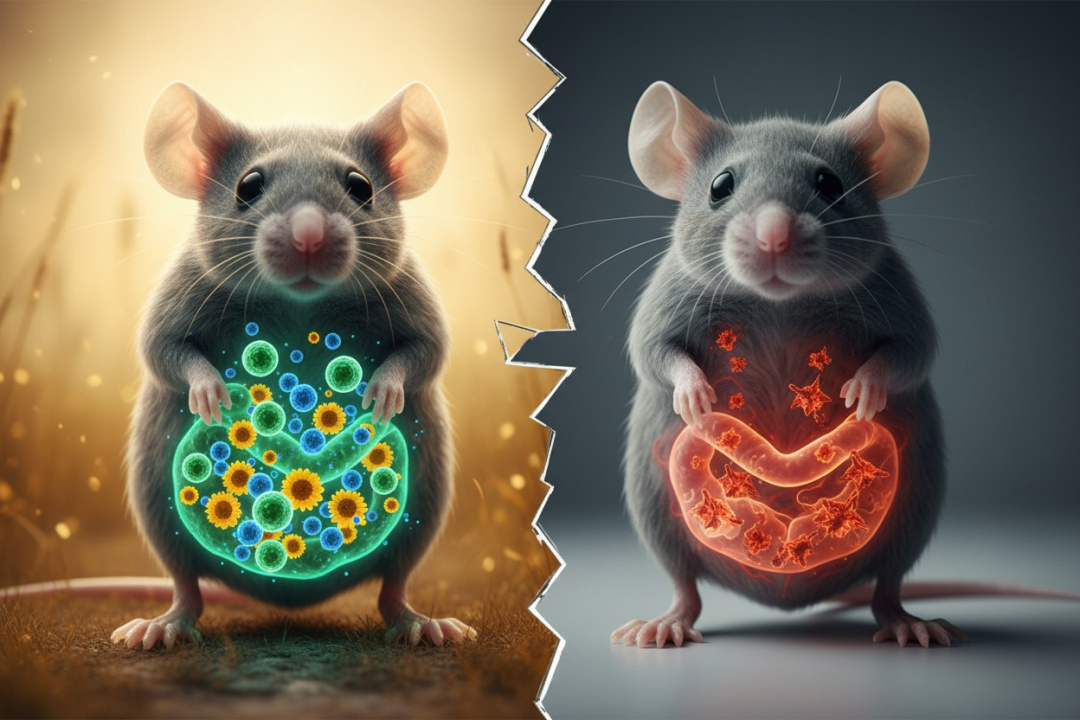
A recent study presented at the Endocrine Society’s annual meeting revealed that a sucrose-free, low-fat diet caused significant disruptions in the gut microbiome of mice, leading…
A recent study has found a significant association between late-night snacking and a higher risk of two liver diseases: cirrhosis and metabolic dysfunction-associated steatotic li…
A study from Oregon Health & Science University indicates that eating late at night may significantly increase the risk of liver disease. Researchers found that individuals who re…
A recent study published in Clinical Nutrition reveals that older adults who cut ultra-processed foods from their diets can experience significant metabolic improvements. By repla…
Improving metabolism doesn't require drastic changes; small, consistent habits can make a significant difference. This article highlights five simple practices—walking after meals…
A recent narrative review published in Frontiers in Nutrition highlights the combined benefits of resistance training and whey protein for muscle health in older adults. The study…

 Breathing.Food