Study Finds Reducing Ultra-Processed Foods Slows Aging in Older Adults
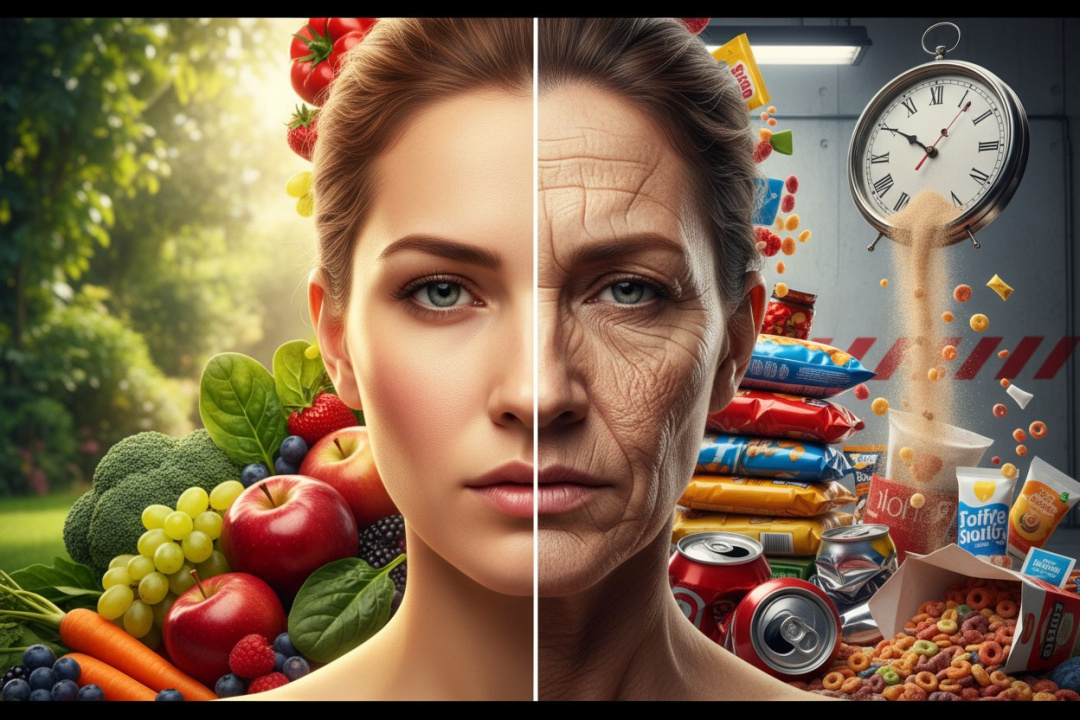
A controlled study has revealed significant implications for public health and healthy aging, showing that older adults can achieve notable metabolic improvements simply by reducing their intake of ultra-processed foods. Published in the journal Clinical Nutrition, the research indicates that individuals aged 65 and older who replaced more than half of their typical ultra-processed calorie intake with whole or minimally processed foods experienced rapid and measurable benefits in regulating appetite, blood sugar, and inflammation.
The research involved 43 Americans over the age of 65, many of whom were overweight or exhibited early signs of metabolic dysfunction, such as insulin resistance. During an eight-week intervention, participants were provided with all their meals and followed two different balanced diets for eight weeks each. A critical aspect of the study was that both diets were designed to be realistic and familiar, with ultra-processed foods constituting less than 15% of total calories. This contrasts sharply with the standard American diet, where ultra-processed foods typically supply over 50% of daily caloric intake.
Understanding the nature of ultra-processed foods is essential to grasp the study's impact. These foods are industrial formulations made using techniques and ingredients rarely found in home kitchens, often loaded with additives such as emulsifiers, artificial flavors, colors, and preservatives. Common examples include packaged snacks, sugary breakfast cereals, reconstituted meat products, frozen ready-to-eat meals, and most soft drinks.
The results of the study were both clear and compelling. Participants consuming the provided low-ultra-processed meals naturally consumed fewer calories and lost weight, including harmful abdominal fat. Beyond weight loss, researchers observed significant improvements in insulin sensitivity, which is crucial for preventing Type 2 diabetes. Participants also exhibited healthier cholesterol profiles, reduced systemic inflammation, and positive changes in hormones that regulate hunger and metabolism. Notably, these benefits were observed regardless of whether the diet included meat or was vegetarian, highlighting the impact of food processing itself.
This research is particularly timely, coinciding with a historic shift in official U.S. nutrition advice. For decades, federal dietary guidelines focused primarily on nutrients while overlooking the manufacturing processes of food. The upcoming 2025-2030 Dietary Guidelines for Americans marks a departure from this trend by explicitly recommending a reduction in ultra-processed food consumption. The study provides the first controlled feeding-trial evidence supporting this policy shift, demonstrating that limiting food processing can yield health benefits even when nutrient targets are met.
Understanding the Impact of Ultra-Processed Foods on Health
The public health implications are significant. Ultra-processed foods form the caloric backbone of the modern diet for many American adults. While they offer convenience and low cost, their high consumption is linked to obesity, heart disease, diabetes, and premature death. As the global population of older adults grows, maintaining metabolic health becomes crucial for preserving mobility, independence, and overall quality of life in later years.
A notable strength of this study is its practical approach, diverging from previous research that often compared diets consisting of nearly 100% ultra-processed foods to those with none. Instead, this study posed a more realistic question: What happens when individuals make a substantial yet achievable reduction in ultra-processed food intake? By providing meals that felt familiar, the researchers demonstrated that meaningful change is possible without drastically altering one’s relationship with food.
This intervention aligns with a growing body of evidence highlighting the dangers of ultra-processed diets. A separate observational study involving over 22,000 Italian adults found that high consumption of these foods was associated with accelerated biological aging at the cellular level. Interestingly, this research suggested that the harm caused by ultra-processed foods cannot be solely attributed to poor nutrient content, implicating the non-nutrient properties of these foods as well.
Empowering Choices for Healthier Aging
The implications of this research are substantial. For the general public, the message is empowering: swapping ultra-processed items for whole foods—even without calorie counting—can lead to rapid improvements in metabolic health. For health officials, it reinforces the new direction in dietary guidelines. For food manufacturers, it presents both a challenge and an opportunity to rethink food formulation.
In summary, this research provides a clear message for older adults seeking to maintain their health and vitality: minimizing the consumption of industrially manufactured foods in favor of whole, recognizable ingredients can be a powerful strategy for healthier aging. This approach not only aligns with culinary traditions but is also supported by contemporary scientific evidence, offering a practical recipe for longevity.