Observational Studies Reveal Link Between Alcohol Consumption and Visceral Fat
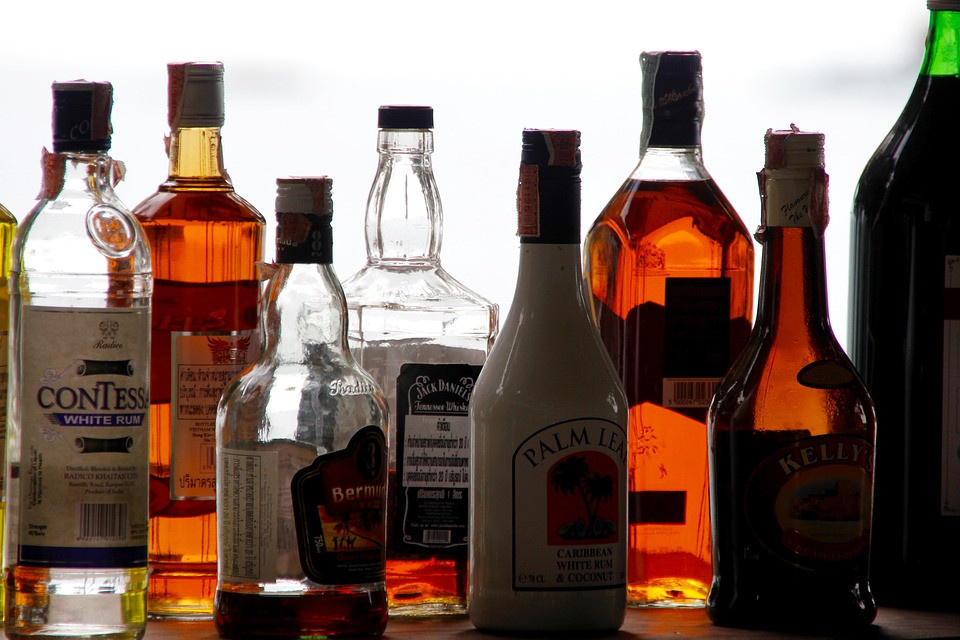
Three large observational studies have indicated that individuals who consume alcohol more heavily tend to carry a greater proportion of visceral fat, the type of fat that wraps around internal organs. However, researchers have noted that these studies are observational in nature, capturing data at a single point in time and relying on self-reported alcohol intake, which means they cannot definitively prove that alcohol consumption leads to visceral fat accumulation. The findings highlight the complexity of body fat distribution, as not all fat behaves the same way. Subcutaneous fat, which sits just beneath the skin, can be protective in moderate amounts, while visceral fat, located deeper within the abdominal cavity, poses greater health risks. Josh Wageman, a clinical lipid specialist, explained that when the body reaches its limit for storing fat under the skin, excess fat may accumulate around internal organs or in the liver. Dr. Robert Carpenter, a board-certified general surgeon and clinical professor at Texas A&M University, echoed this sentiment, noting that this pattern is not uncommon. The research aligns with findings regarding 'skinny fat' individuals, who may appear thin externally but possess significant internal fat, increasing their risk for conditions like nonalcoholic fatty liver disease. A global analysis published in The Lancet Gastroenterology & Hepatology reported a 143% surge in cases of metabolic dysfunction-associated steatotic liver disease since 1990, affecting an estimated 1.3 billion people by 2023. The Oxford Biobank analysis involved adults aged 25 to 75 who reported their typical weekly alcohol intake. After adjusting for key confounding factors, the study found a dose-dependent association between alcohol consumption and visceral fat mass in both men and women. In the highest drinking group, visceral fat accounted for approximately 5% of total body fat in men and 1.6% in women, compared to slightly lower percentages in the next group down. The heaviest drinkers reported consuming about 14 U.S. standard drinks per week for men and eight for women. Interestingly, the type of alcohol consumed may also play a role; earlier studies have suggested that beer and liquor are linked to higher visceral fat levels, while red wine consumption appears to correlate with lower levels. Researchers propose two main explanations for this association: the body's processing of alcohol and the dietary choices made while drinking. When the body metabolizes alcohol, it prioritizes clearing it from the system, which can temporarily inhibit fat oxidation. Lauren Harris-Pincus, a registered dietitian nutritionist, noted that alcohol may also influence hormones related to fat storage, potentially leading to increased fat accumulation in the abdomen. Furthermore, alcohol provides a high caloric content, with seven calories per gram, nearly double that of carbohydrates or protein. This can lead to excessive calorie intake, especially when combined with sugary mixers or calorie-dense meals. Studies indicate that heavy drinkers often consume diets higher in calories, sodium, and fats compared to non-drinkers. The Oxford study captures a snapshot of participants' alcohol habits and body composition at one point in time, which limits its ability to demonstrate direct causation. Notably, the study found that nondrinkers sometimes had higher total and visceral fat than light-to-moderate drinkers, complicating the interpretation of results. Researchers advise against drawing definitive conclusions about safe drinking levels and recommend adherence to established public health guidelines. The encouraging aspect of these findings is that visceral fat can respond positively to lifestyle changes, including increased physical activity and balanced nutrition, even if overall weight remains stable. Clinicians and dietitians suggest gradually reducing alcohol intake for those who drink, emphasizing the importance of a balanced diet and regular exercise while considering health beyond just body weight.