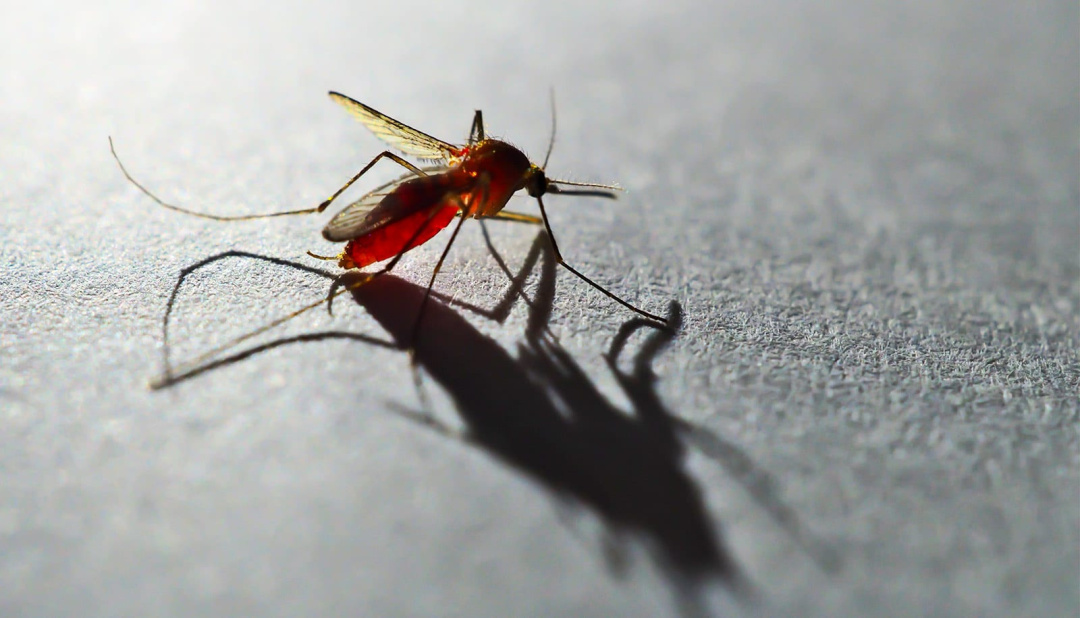
Researchers have uncovered a new vulnerability in Plasmodium vivax, a malaria parasite, which could lead to the development of a vaccine. This finding reveals a specific site on the parasite that antibodies can target to prevent it from infecting liver cells, potentially halting…
The MSF Scientific Days 2026 conference in London emphasized the critical role of high-quality humanitarian health research in addressing the needs of marginalized populations. Wi…
Ghana faces a significant funding gap of $78.2 million for health programs, including child immunization, following cuts to USAID support. This disruption raises concerns about ma…
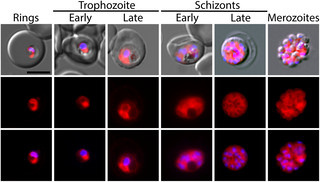
This article reviews the endoplasmic reticulum (ER) of Plasmodium, the malaria-causing parasite, highlighting its essential functions in survival and pathogenesis. The review disc…
In Nigeria, the abattoir system poses significant food safety risks that contribute to the country's alarmingly low life expectancy of just 55 years. Poor hygiene, lack of veterin…
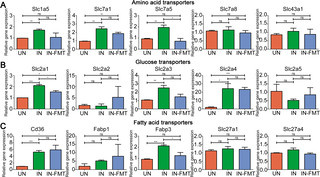
A recent study highlights the potential of fecal microbiota transplantation (FMT) to alleviate adverse pregnancy outcomes linked to malaria infection. The research, conducted on p…
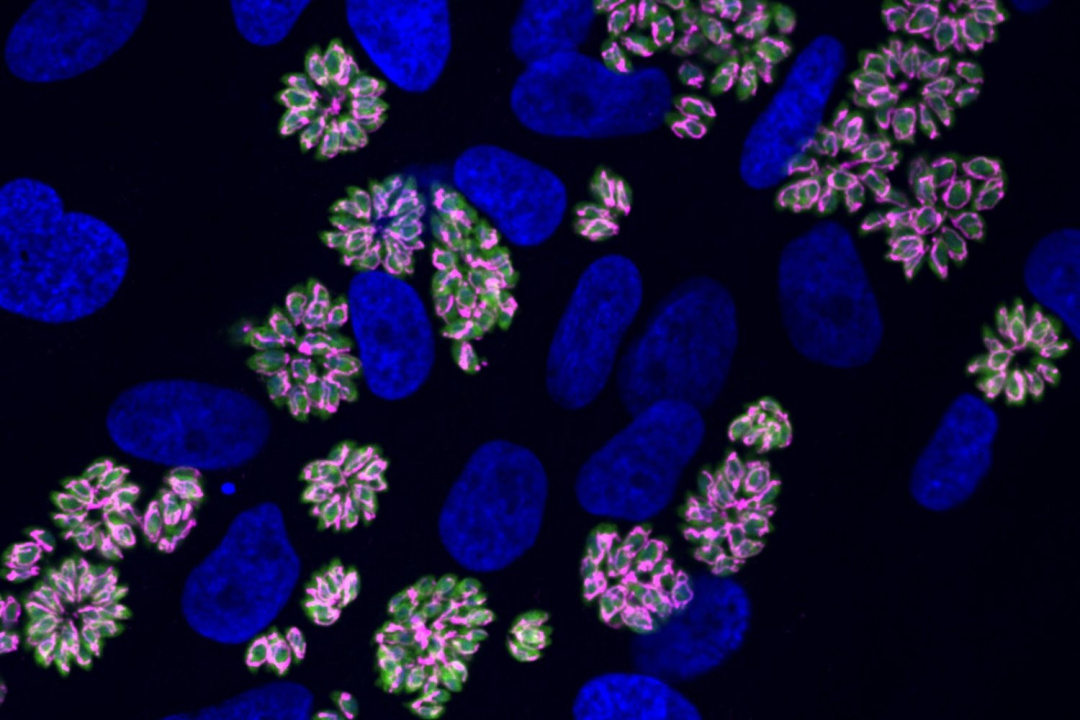
Researchers at MIT's Whitehead Institute have identified how the parasite Toxoplasma gondii adjusts its metabolism to thrive in crowded environments within host cells. The study h…
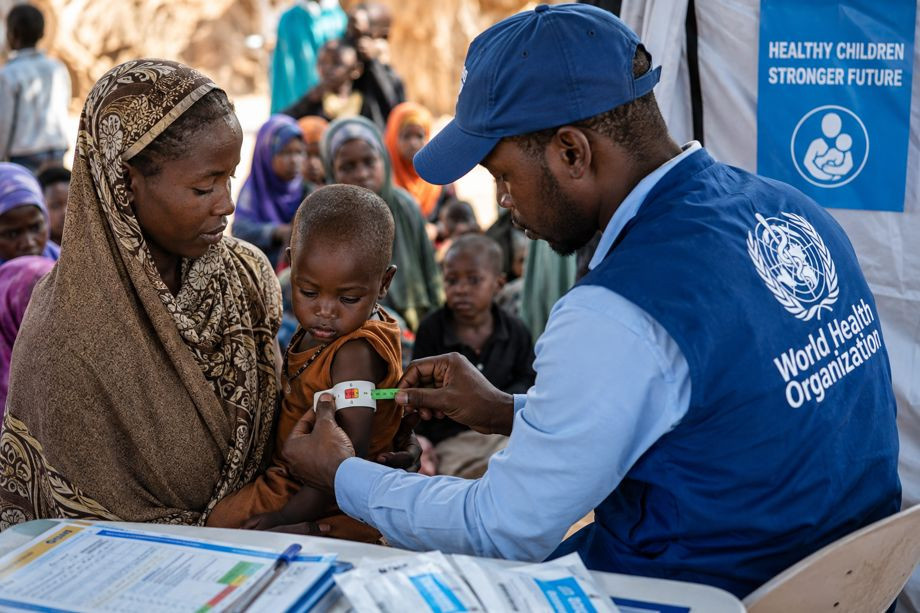
The World Health Organization has issued a strategic framework highlighting that food insecurity is not just a matter of hunger but a significant public health and development cri…
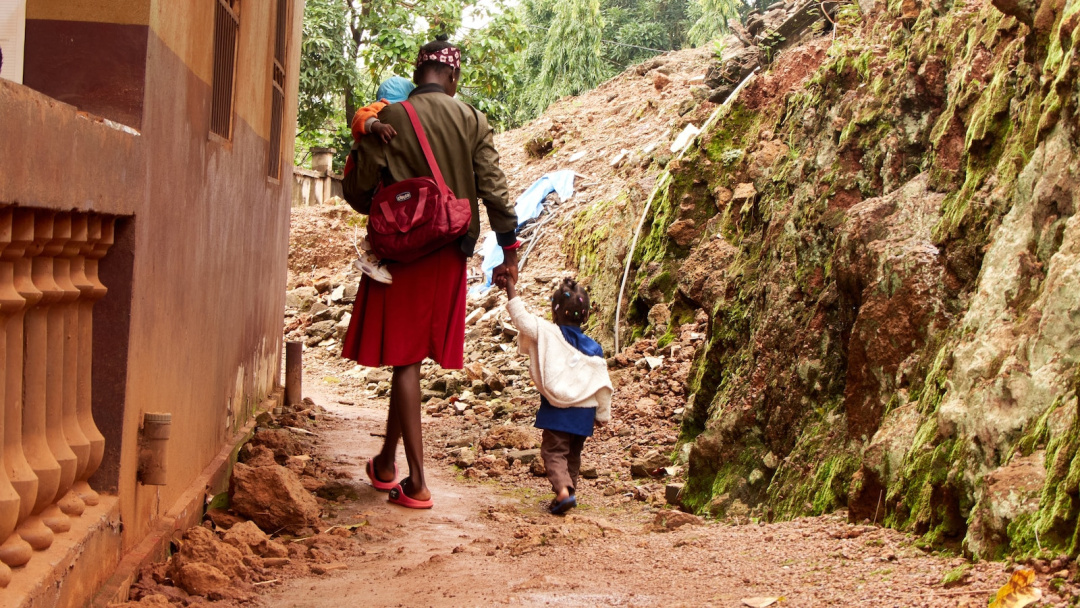
As Africa rolls out a new malaria vaccine, bureaucratic hurdles and missed appointments threaten its success. Health officials scramble to boost compliance while parents navigate…
 Breathing.Food