MSF Scientific Days 2026 Highlights Importance of Humanitarian Health Research
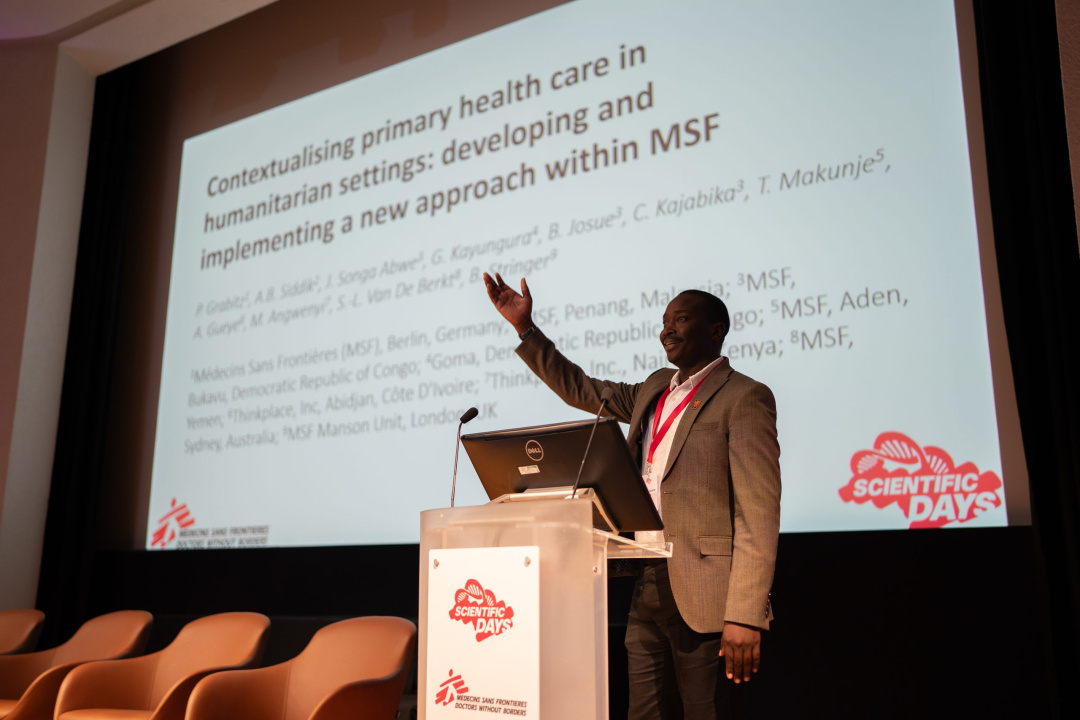
The world is facing unprecedented challenges, characterized by rising costs and deepening humanitarian imbalances. In this context, the 23rd annual MSF Scientific Days conference, held in May 2026 in London, highlighted the essential role of humanitarian health research in addressing the needs of marginalized populations often overlooked by mainstream medical science. The conference brought together over 2,350 participants from nearly 100 countries, fostering discussions on how to leverage research to improve medical care in vulnerable areas affected by conflict, natural disasters, and disease outbreaks.
During the event, speakers emphasized the responsibility of organizations like Médecins Sans Frontières (MSF) to generate evidence-based solutions for patient care. "MSF works in an unfortunately privileged place...that presence brings a responsibility. If they don’t generate the evidence on how to treat these patients, very often no one else will," stated an MSF representative, underscoring the urgency of addressing healthcare disparities.
The conference agenda featured a variety of presentations, including a peer-driven implementation project on long-acting pre-exposure prophylaxis (PrEP) for HIV protection in Beira, Mozambique, and the Mombasa Youth and Key Pop study in Kenya, which aimed to enhance health access for adolescents. These examples illustrated the importance of community involvement in research design and implementation.
A particularly impactful moment came from an ethnographic study in Dar Sila, Chad, which initially aimed to assess the health impacts of climate change. However, following a devastating flood, the research focus shifted to the immediate needs and priorities of the affected community, highlighting the necessity of adapting research to real-world conditions.
The conference also showcased innovative clinical tools developed through community engagement, such as an acute malnutrition decision support tool and an integrated newborn care kit. These tools were designed to meet the specific needs of populations served by MSF, demonstrating the importance of tailoring healthcare solutions to local contexts.
One of the significant topics discussed was the R21 malaria vaccine, which has shown promise in reducing malaria episodes in children. MSF teams presented strategies for effectively implementing this vaccine in collaboration with existing health programs in Burkina Faso, Chad, and Mali. Similarly, the efficacy of the PANAF-Premium snakebite antivenom was evaluated in Ethiopia, providing critical data on its real-world effectiveness.
The AmbiOne study explored the acceptability of a new treatment regimen for HIV-associated cryptococcal meningitis, emphasizing the need for practical assessments of new medical standards in diverse settings. The conference highlighted that data collection is not just about numbers but also about power, stewardship, and justice in humanitarian contexts.
Dr. Masako Horino from the UN Relief and Works Agency for Palestine Refugees in the Near East (UNRWA) illustrated the importance of rigorous data collection through nutritional assessments conducted in Gaza, which helped document trends leading to famine declarations. This data serves as a vital tool for advocacy and resource allocation in humanitarian crises.
The MSF Scientific Days conference concluded with a call to action for the humanitarian community to continue prioritizing patient-centered research and to use their unique position to advocate for those in need. As Ed Monk, a trustee on the MSF UK board, noted, MSF has a rare privilege of access and expertise, which must be harnessed to improve healthcare delivery for marginalized populations globally.