US Aid Cuts Create $78.2 Million Shortfall Threatening Ghana’s Child Immunization Efforts
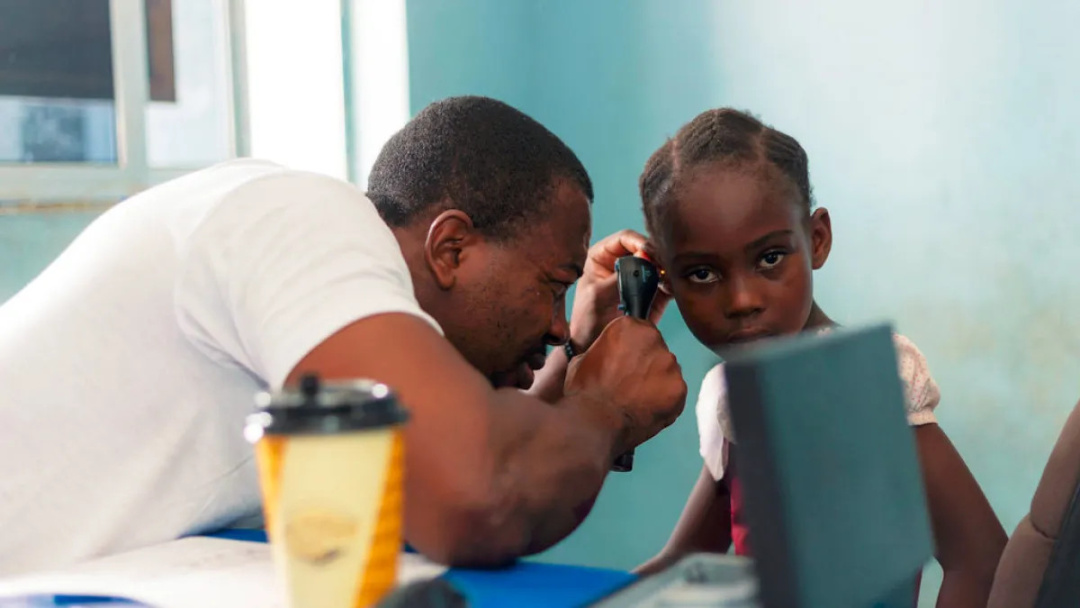
Accra, Ghana – Ghana, recognized as one of the first African nations to incorporate the RTS,S malaria vaccine into its routine immunization program, is now confronting a daunting challenge. Following the suspension of United States Agency for International Development (USAID) programs, the country is facing an estimated $156 million funding gap across various health initiatives, with a projected $78.2 million shortfall specifically impacting health services. These services encompass critical areas such as malaria prevention, maternal and child health, nutrition, family planning, and HIV services.
The suspension of funding has raised alarms regarding the operational systems essential for sustaining routine immunization efforts. A study conducted in northern Ghana revealed that 75 percent of surveyed districts reported delays or irregularities in vaccine supplies. Additionally, the study identified constraints related to cold-chain equipment, delivery kits, and transport fuel, all vital for maintaining immunization schedules.
Nana Owusu Ensaw, the municipal director of health for Akuapim North, emphasized the need for Ghana to leverage this funding shock as an opportunity to rethink its healthcare financing strategies. He stated, "The $78 million health funding gap after USAID program closures is significant, but it is also a chance to rethink healthcare financing in Ghana. The Ghana Medical Trust Fund, or MahamaCares, is already expanding access to specialized care."
Ensaw further suggested that the private sector must play a more substantial role in healthcare, proposing that with the right partnerships, Ghana could evolve into a medical tourism hub by investing in diagnostics, telemedicine, and specialist care. He urged banks and financial institutions to support these health tourism initiatives with tailored financing packages.
John Yabani, medical director of Banahene Specialist Hospital, echoed this sentiment, noting that private providers are prepared to enhance their involvement in the healthcare sector. He remarked, "Ghana’s healthcare sector is at a pivotal moment. As a specialist hospital, we have already been investing in medical tourism and positioning ourselves to attract patients from across West Africa and the diaspora."
Despite these optimistic views, the immediate need for public health infrastructure to deliver routine vaccinations remains critical, particularly in remote areas. A government official, who preferred to remain anonymous, expressed discomfort with African nations relying heavily on Western funding for basic healthcare. He viewed the USAID cuts as a chance for Ghana to utilize its resources more effectively for its citizens.
George Kwame Egeh, cofounder of the Humserve Africa Foundation, which provides surgical aid and immunization support, advocated for increased local funding. He stated, "We believe that civil society organizations can step in and fill the gap created by the USAID cuts."
However, the complexities of replacing donor funding extend beyond merely finding alternative financial sources. Health workers must continue to reach remote communities, trace children who miss vaccinations, and maintain essential cold-chain logistics. In the Oti Region, where access is particularly challenging, concerns are heightened regarding the potential erosion of immunization gains.
Mark Appiah, chairman of the Oti Regional Health Committee, warned that funding pressures could adversely affect outreach, defaulter tracing, transportation, supervision, and immunization campaigns. He emphasized, "A child should not lose protection against a preventable disease because the health system is experiencing a financing problem."
To address these challenges, the committee is focusing on domestic resource mobilization, community participation, and targeted support for hard-to-reach areas. Appiah also called for an Oti Regional Health Development and Resource Mobilization Framework to foster structured partnerships with businesses, development partners, and NGOs.
For families in remote communities, the effectiveness of these systems can determine whether a child receives necessary vaccinations. Rahinatu, a mother from northern Ghana whose child has benefited from routine immunization, shared her concerns about the funding gap but remained hopeful that the government would devise a solution to restore services promptly.
As Ghana transitions from reliance on Gavi, the Vaccine Alliance, for immunization support, it is expected to take full financial responsibility for its immunization program by 2030. Concurrently, Gavi faces its own funding challenges, necessitating a strategy that strengthens the financial sustainability of immunization efforts while increasing countries' domestic contributions.
Ghana's situation underscores a pressing dilemma: how can governments enhance financial independence without compromising the health services essential for children? As health ministers and officials gather for the 76th session of the WHO Regional Committee for Africa, Ghana's experience serves as a critical case study in navigating these challenges. No child in the Oti Region should be denied life-saving immunization due to geographical or financial barriers.