Discovery of Vulnerability in Malaria Parasite for Vaccine Development
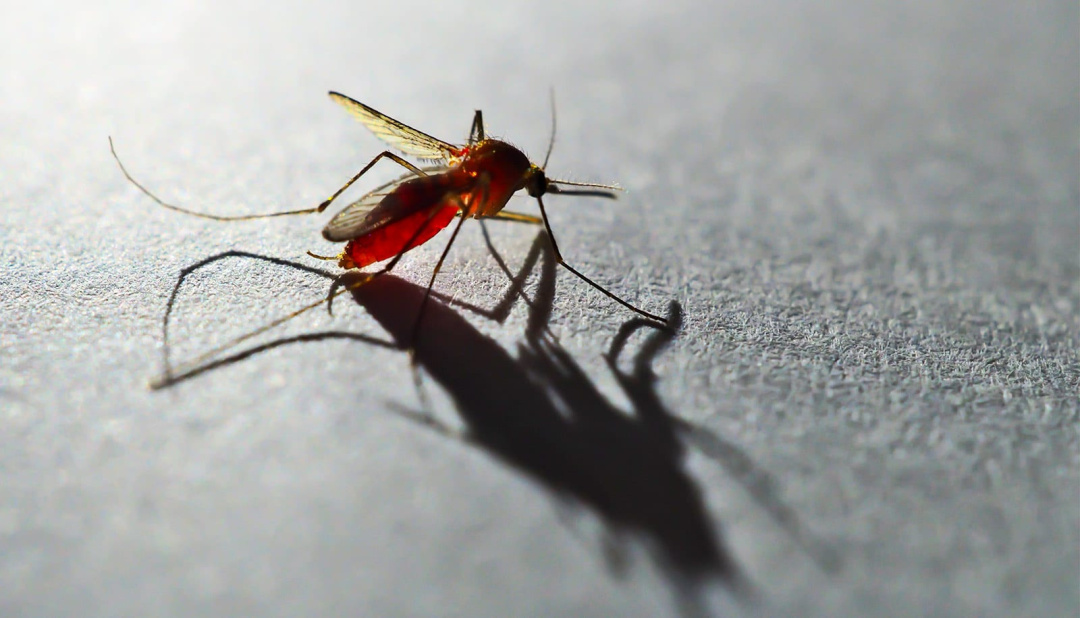
Researchers have identified a previously unknown vulnerability in Plasmodium vivax (P. vivax), a malaria parasite that infects millions of individuals in Central and South America and Southeast Asia. This discovery pinpoints a specific site on the parasite that antibodies can target to block P. vivax from invading liver cells. Such a breakthrough could prevent the parasite from establishing dormant forms that allow malaria to recur months or even years later. The findings, published in the journal Immunity, provide a promising new avenue for vaccine development against P. vivax, which is the most widespread malaria parasite outside of sub-Saharan Africa. Noah Sather, a professor at the University of South Florida’s College of Public Health, emphasized the significance of this discovery, stating, "Nobody has discovered a new way to target the major surface antigen, CSP, for vivax in over 40 years. This is truly a game-changing, paradigm-shifting discovery." Sather and colleague John Adams identified a previously uncharacterized epitope on the circumsporozoite protein (CSP), a major surface protein of the parasite. Their research indicates that antibodies directed at this newly identified site can effectively block the P. vivax parasite from infecting the liver. This is particularly crucial because P. vivax can enter a dormant state in the liver, remaining inactive long after the initial infection and later reactivating to cause malaria. The study demonstrates that antibodies targeting this vulnerability can prevent infection before these dormant forms are established, potentially reducing both the incidence of the disease and its transmission. Sather explained that approximately three-quarters of vivax transmissions arise from relapse infections rather than from initial mosquito bites. By preventing the formation of dormant forms, the new vaccine could address a significant source of malaria transmission and disease. Historically, researchers have had limited understanding of protective sites on the CSP surface antigen that antibodies can target to prevent P. vivax infection. However, this USF-led research identifies an inhibitory vaccine epitope that elicits antibodies capable of blocking the parasite from invading the host. Sather likened this discovery to finding the Achilles’ heel of P. vivax, noting, "We identified a new kind of gap in the armor, so to speak, that nobody knew about. We found that we can exploit that to prevent the bug from infecting. It’s a completely new weakness that was never known before or defined." The discovery was made through a collaboration between two research teams that approached P. vivax from different scientific angles. A year ago, Adams and his team identified the target through studies of the parasite and human immune responses. Concurrently, Sather was investigating the same region at the molecular level as a potential target for a malaria vaccine while working at the University of Washington. The two teams were unaware of each other's work until a chance meeting at USF. Sather recalled, "Neither of us were aware of the other’s progress on this. I was like, ‘Oh my God, they’re talking about this epitope!'" The convergence of evidence from both human studies and vaccine development experiments provided confidence that they had identified an important new target. While this discovery represents a significant advancement, Sather and Adams acknowledge that eradicating malaria remains a long-term challenge. Another malaria parasite, Plasmodium falciparum, is responsible for the majority of cases in sub-Saharan Africa and can lead to severe illness or death if untreated. P. vivax, while affecting a large portion of the global population, has historically received less research focus. One of the primary challenges in controlling P. vivax is its ability to remain dormant in the liver. Unlike P. falciparum, which can cause immediate illness, P. vivax can reactivate months or even years after the initial infection, leading to complications and further transmission through mosquito bites. Sather explained, "Somewhere from six months to 30 years later, you can get random reactivations in the liver. You get full-blown fever and malaria complications, and most importantly, you can transmit it through mosquito bites. It’s an unusual transmission pattern that’s been difficult to understand and to fight." Although a vaccine based on this discovery is still several years away, Sather believes the path forward is clearer and could ultimately save lives by providing a powerful new tool against this understudied form of malaria. If successful, a vaccine targeting this newly identified epitope could prevent P. vivax malaria, particularly by stopping the parasite before it can establish dormant liver forms that complicate disease control. Sather concluded, "We’re a few developmental steps away from being able to advance this into humans, but the feasibility is already established. Our next step is to translate this discovery into effective vaccine formulations."