WHO Warns Food Insecurity is a Major Health and Development Crisis
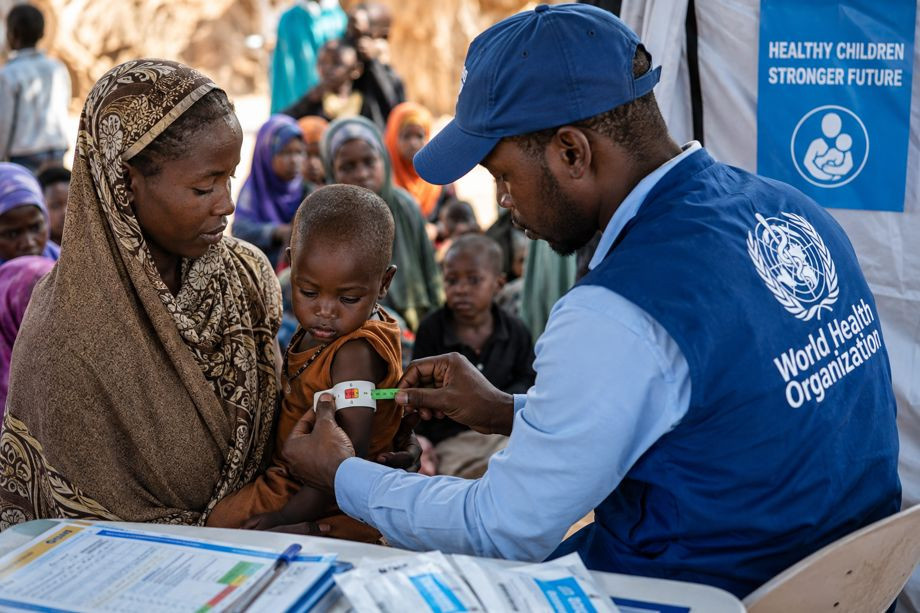
Food insecurity is increasingly recognized as a critical public health and development crisis, extending beyond mere hunger to encompass broader health implications. The World Health Organization (WHO) has developed a strategic framework that outlines the health and nutrition risks associated with food crises. This framework underscores that hunger can initiate a chain reaction that leads to malnutrition, infectious diseases, disrupted healthcare, and long-term developmental setbacks. It was formulated by WHO's Food Insecurity and Health Working Group, incorporating insights from various health sectors including maternal and child health, nutrition, and emergency response teams.
The challenges posed by food insecurity are substantial. Maternal and child undernutrition contributes to over 10% of the global disease burden, with undernutrition linked to approximately 45% of preventable deaths in children under five. The WHO emphasizes the economic vulnerabilities that accompany food crises, noting that the COVID-19 pandemic alone pushed an estimated 119 to 124 million additional individuals into extreme poverty in 2020.
A central finding of the WHO report is the reciprocal relationship between malnutrition and disease. Undernutrition compromises the immune system, making individuals, particularly children, more susceptible to diseases such as diarrhea, pneumonia, measles, and malaria. Conversely, infections can exacerbate malnutrition by diminishing appetite, hindering nutrient absorption, and increasing the body's nutritional demands.
The implications of this cycle can be severe. Undernutrition is a contributing factor in approximately 60% of deaths caused by diarrhea and nearly half of the fatalities from pneumonia and measles among children. The WHO highlights that children suffering from severe acute malnutrition are 11 times more likely to die than their well-nourished peers. In food-insecure regions, the risk of measles outbreaks necessitates vaccination coverage of over 95%. Additionally, the incidence of cholera rises when food scarcity coincides with factors like displacement, overcrowding, and inadequate sanitation.
The WHO's framework conveys a vital policy message: delaying intervention until a famine is declared is too late. The organization links health interventions to the five stages of the Integrated Food Security Phase Classification, which ranges from Phase 1 (None or Minimal) to Phase 5 (Catastrophe or Famine). Governments are urged to enhance surveillance and primary healthcare, bolster nutrition programs, and ensure emergency preparedness during the earlier phases of food insecurity. As conditions escalate to Phase 3 (Crisis), health and nutrition services should be rapidly expanded through various means, including mobile clinics and community outreach.
Accurate data is essential for effective intervention. Governments need to monitor malnutrition rates, mortality, disease outbreaks, vaccination coverage, and healthcare accessibility. The WHO recommends utilizing tools such as Early Warning Alert and Response Systems (EWARS), District Health Information Software (DHIS2), and geographic information systems to enhance surveillance.
Financial barriers also emerge during food crises, as families often face difficult choices between purchasing food and seeking medical care. To alleviate this, the WHO suggests waiving healthcare fees, expanding mobile health services, and reinforcing social protection for vulnerable populations.
The long-term developmental repercussions of food insecurity can persist long after emergencies have subsided. Nutritional deficiencies during the critical first two years of life can severely impair physical and cognitive development, impacting children's educational outcomes and future productivity. Additionally, individuals suffering from undernutrition are at a heightened risk of developing diseases like tuberculosis, complicating treatment efforts. Food crises can disrupt essential healthcare services, including maternal care and treatments for chronic diseases, with mental health issues also prevalent in conflict-affected areas.
For development partners, this situation underscores the economic rationale for investing in preventative measures before crises escalate. Funding for primary healthcare, nutrition, water, sanitation, and hygiene (WASH), vaccination, and community health initiatives can mitigate future humanitarian costs while safeguarding human capital.
The WHO cautions that humanitarian funding is increasingly constrained due to competing crises and donor fatigue. To secure international support, governments will need to provide robust evidence, transparent reporting, and realistic financial plans with measurable outcomes.
The framework also highlights opportunities for private sector involvement, as food and health emergencies create demand for various products and services, including medicines, vaccines, and logistical support. For instance, WHO's PED/SAM 2020 emergency kit is designed to assist children suffering from severe acute malnutrition, although it requires additional procurement of therapeutic foods and vaccines, indicating a need for improved local manufacturing and supply chain logistics.
Businesses are also at risk, facing challenges from conflict, natural disasters, and unpredictable funding. Companies operating in vulnerable markets must develop resilient supply chains and robust business continuity plans.
Ultimately, the WHO advocates for a shift in food crisis policy from reactive measures to proactive risk management. There is a pressing need for governments, development institutions, and businesses to integrate food security with health, nutrition, WASH, social protection, and economic planning. The economic argument is increasingly clear: investing in preventative measures and resilient systems before crises emerge is likely to be far less costly than responding to the aftermath of hunger, disease, and failing health services.