Fecal Microbiota Transplantation Improves Pregnancy Outcomes in Malaria-Infected Mice
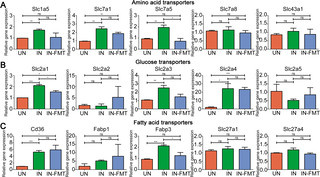
Malaria during pregnancy poses significant risks to both maternal and fetal health, contributing to high rates of morbidity and mortality. A recent study published in PLOS Pathogens explores the role of fecal microbiota transplantation (FMT) in mitigating these adverse outcomes in pregnant mice infected with Plasmodium berghei ANKA. The research indicates that malaria infection disrupts the gut-placenta axis, leading to intestinal inflammation, placental damage, and reduced fetal weight. The study found that the gut microbiota of infected mice exhibited dysbiosis, characterized by a decrease in beneficial Ligilactobacillus and an increase in harmful Desulfovibrio species. Furthermore, metabolomic profiling revealed significant alterations in amino acid and fatty acid metabolism, contributing to impaired intestinal barrier integrity and heightened inflammatory responses. Importantly, the application of FMT from healthy uninfected donors restored microbial balance, alleviated both intestinal and placental inflammation, and improved offspring growth outcomes. These findings shed light on the intricate relationship between gut microbiota and pregnancy complications in malaria, suggesting that microbiome-targeted interventions may offer new avenues for improving maternal and neonatal health in malaria-endemic regions. Future research is necessary to validate these findings in clinical settings and to explore the potential of microbiota-based therapies for managing pregnancy-related complications arising from malaria.