A recent study involving nearly 200,000 participants has found that eating late at night is associated with a significantly higher risk of liver disease, including metabolic dysfunction-associated steatotic liver disease (MASLD) and cirrhosis. The findings emphasize the importan…
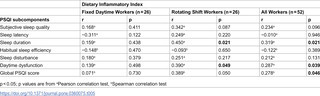
A recent study investigated the differences in dietary inflammatory index (DII), sleep quality, and nutritional status between fixed daytime and rotating shift workers. The resear…
A recent study involving over 11,000 adults has found that exposure to light at night may lead to physical changes in the heart's structure and function. Participants wore wrist s…
A 2025 study published in Neurology reveals that older adults with strong, consistent circadian rhythms have nearly half the risk of developing dementia. This research highlights…
The afternoon slump, often felt around 3pm, is a common experience where individuals feel a drop in energy and an urge to nap. This phenomenon is influenced by various biological…
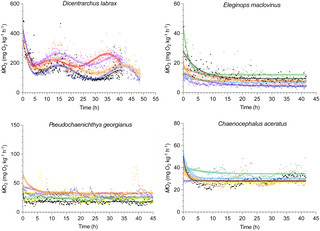
A recent study investigates the loss of core circadian clock genes in perciform fishes, revealing significant genetic changes associated with their adaptation to extreme environme…
Recent insights from sports medicine and nutrition experts emphasize the critical role of rest and nutrition in enhancing athletic performance. Institutions like UCHealth and the…
K18's latest initiative proposes that the future of haircare is not in the nourishment of strands but rather in the meticulous preservation of hair biology, marking the dawn of a…

 Breathing.Food