Nighttime Light Exposure Linked to Changes in Heart Structure, Study Finds
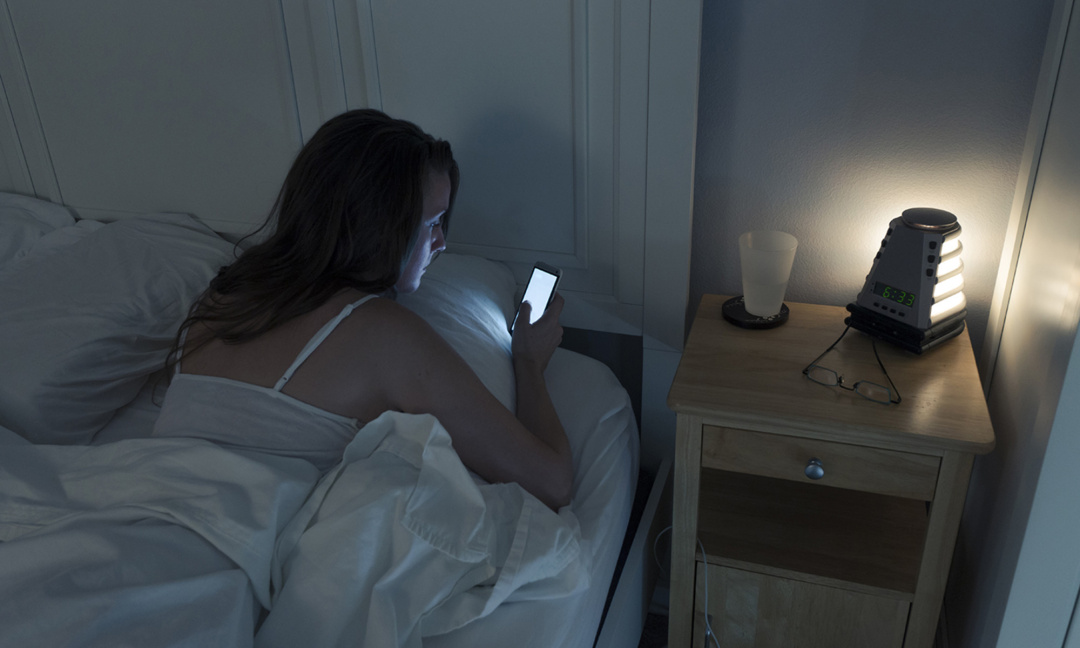
In our pursuit of optimal sleep environments, we often focus on factors like temperature, mattress quality, and screen time. However, one crucial aspect that frequently goes unnoticed is the level of darkness in our bedrooms. Even seemingly minimal light sources, such as streetlights or alarm clocks, can impact our sleep quality and overall health. Recent research has begun to explore the broader implications of nighttime light exposure, particularly its potential effects on heart health.
A new study analyzed data from over 11,000 adults to investigate the relationship between nighttime light exposure and changes in heart structure and function. Instead of relying on self-reported darkness levels, participants wore wrist sensors for a week to objectively measure their light exposure during sleep. Approximately three years later, they underwent cardiac MRI scans, which provided detailed insights into the size, shape, and function of various heart chambers.
The study's design is noteworthy, as previous research has linked nighttime light exposure to cardiovascular disease. This investigation aimed to delve deeper by examining physical changes in the heart that could explain this association.
The findings revealed that participants exposed to more than three lux of light at night exhibited significant differences in heart structure compared to those with minimal light exposure. For context, three lux is a relatively low level of brightness, easily reached by ambient light from outside or electronic devices in the room.
Among those with higher light exposure, researchers observed thickening of the left ventricle wall, which is the heart's primary pumping chamber. Additionally, there was a reduction in the chamber's internal space, indicating potential issues with heart function. Signs of impaired relaxation and contraction of the heart muscle were also noted, suggesting that these structural changes could lead to a less efficient heart over time.
This phenomenon, referred to as cardiac remodeling, occurs when the heart alters its size, shape, or thickness in response to stress. While not all remodeling is harmful, certain patterns can lead to increased stiffness and a higher risk of heart failure.
It's important to note that this study is observational, meaning that while it identifies a correlation between nighttime light exposure and heart changes, it does not establish direct causation. However, the results provide a compelling biological explanation for why nighttime light exposure has been associated with poorer cardiovascular health in earlier studies.
Light serves as a critical signal for our circadian rhythms, influencing sleep, hormone release, metabolism, and various bodily functions. Disruptions to this natural cycle, such as exposure to light at night, can interfere with melatonin production and other physiological processes, potentially affecting cardiovascular health over time.
While the presence of a small light source, like a charger indicator, may seem insignificant, consistently sleeping in a well-lit environment can disrupt the biological rhythms our bodies rely on. Fortunately, there are practical steps individuals can take to mitigate light exposure during sleep. Installing blackout curtains or shades can significantly reduce outside light intrusion. Additionally, turning off unnecessary electronic devices and using an eye mask can help create a darker sleep environment.
Moreover, considering lighting choices in the hours leading up to bedtime can reinforce the transition from day to night. Dimming lights and opting for softer, warmer hues can signal to the body that it's time to wind down, promoting a healthier sleep environment.
As we continue to prioritize factors like nutrition, exercise, and stress management for heart health, it's essential to recognize the impact of our sleep environments. Making simple adjustments to reduce nighttime light exposure may be an effective strategy for supporting cardiovascular health in the long run.