Impact of Shift Work on Dietary Inflammatory Index and Sleep Quality
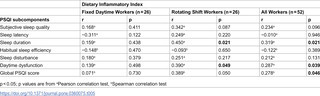
Shift work is commonly organized in fixed or rotating schedules, which can disrupt biological rhythms and lead to irregular eating patterns and impaired sleep quality. A recent study aimed to explore the relationship between dietary inflammatory index (DII), sleep quality, and nutritional status among workers in a defense industry factory in Ankara, Türkiye. The study included 52 male workers, divided equally between fixed daytime and rotating shift schedules. Dietary intake was assessed through 24-hour dietary recalls over three non-consecutive days, and DII scores were calculated to evaluate the inflammatory potential of their diets. Sleep quality was measured using the Pittsburgh Sleep Quality Index (PSQI). The study found that rotating shift workers had significantly higher total energy intake, as well as increased daily consumption of fructose, total fat, and certain micronutrients compared to their fixed daytime counterparts. However, mean DII scores did not significantly differ between the two groups. Interestingly, while DII scores were positively correlated with the global PSQI score, the association with overall sleep quality diminished after adjusting for confounding factors such as age and physical activity. These findings suggest that dietary habits and sleep quality may be interconnected factors influencing metabolic risk, particularly in shift workers. Addressing these factors could potentially enhance metabolic health outcomes. The study emphasizes the need for further investigation into the dietary behaviors of shift workers and their implications for health, particularly in relation to systemic inflammation and metabolic disorders. By understanding how work schedules impact dietary choices and sleep, interventions can be developed to promote healthier eating patterns and improve sleep quality among this population.