Recent research highlights monk fruit's potential health benefits, shifting focus from its role as a zero-calorie sweetener to its bioactive compounds that may combat aging and chronic diseases. This study provides insights into the fruit's chemical composition and its implicati…
A recent study published in Nature Aging reveals that fibronectin, a protein involved in tissue repair, contributes to blood-brain barrier damage in Alzheimer's disease models lin…
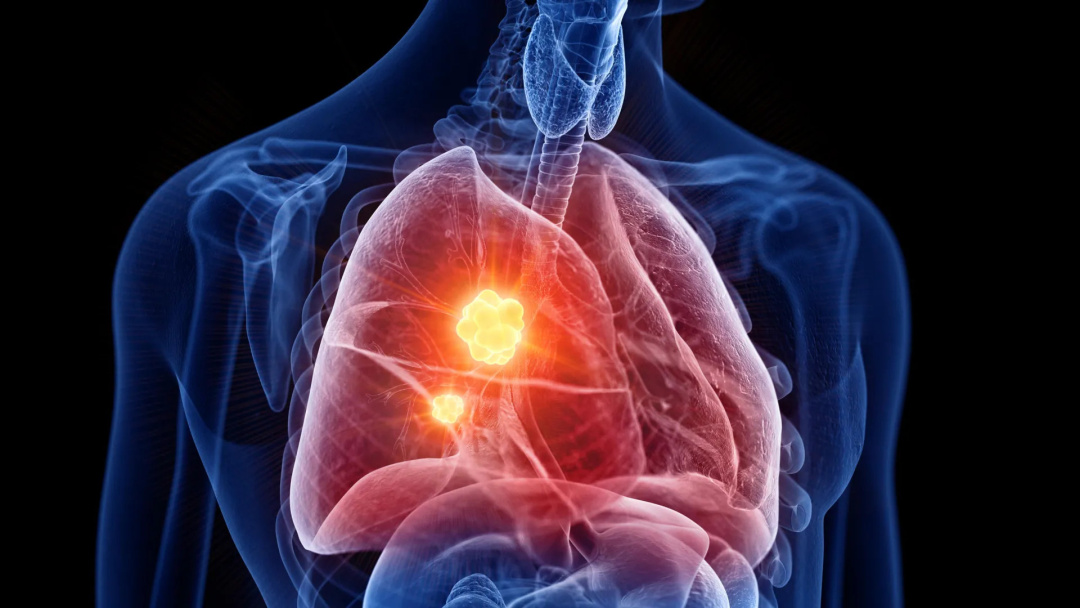
A new experimental drug for treating mesothelioma, an aggressive cancer linked to asbestos exposure, shows promise by targeting the cancer's own defenses. In a phase one clinical…
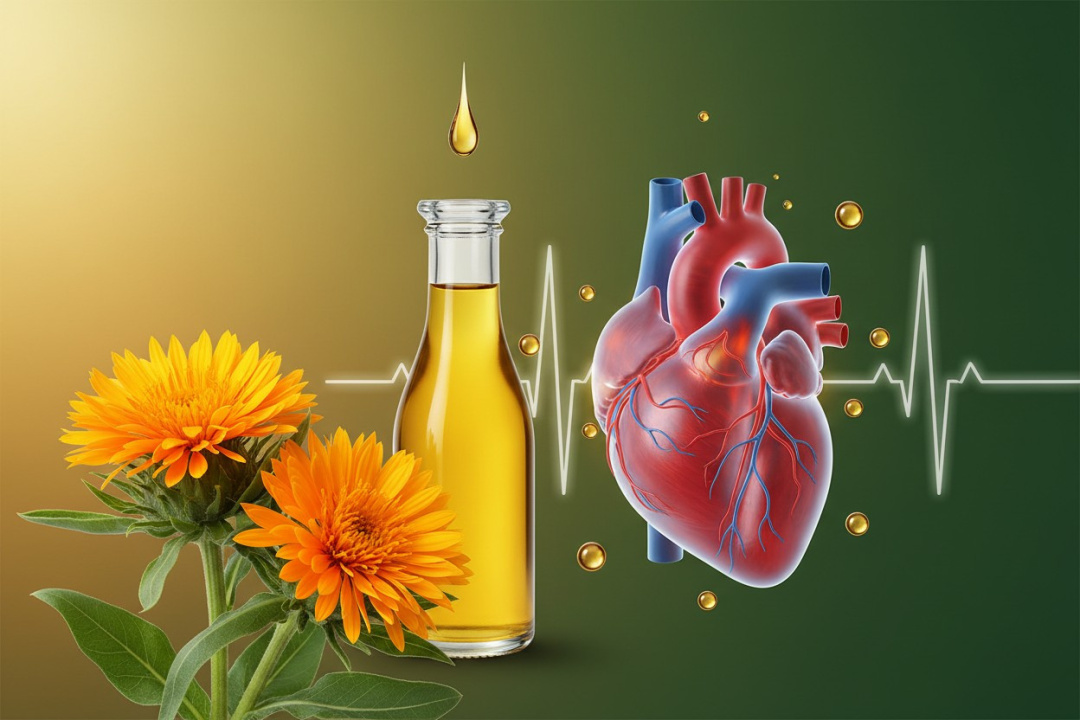
Recent studies have investigated the effects of safflower compounds on heart health and blood sugar regulation, highlighting the need for further human trials to confirm these fin…
The Targeting Aging with Metformin (TAME) trial aims to investigate whether metformin, a widely used diabetes medication, can slow biological aging and extend lifespan. This multi…
A recent review of 53 studies indicates that stevia, a natural sweetener, may possess anti-inflammatory properties beyond its role as a sugar substitute. While the findings are pr…
Researchers at the Medical University of South Carolina are investigating a new approach to managing cholesterol, focusing on preventing its production rather than enhancing its c…
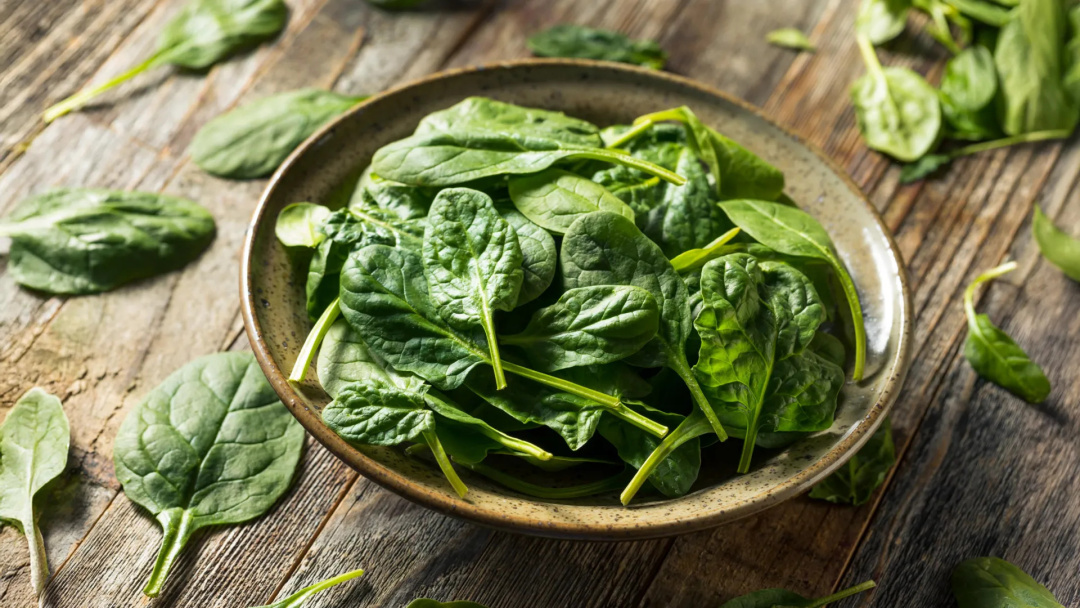
New research from the UNC School of Medicine indicates that oxalate, a compound found in foods like spinach and sweet potatoes, may exacerbate intestinal inflammation in individua…
Recent research indicates that semaglutide, a drug used for weight loss, may also extend lifespan and improve health measures in elderly mice. While the findings are intriguing, t…
A recent review published in the International Journal of Molecular Sciences examines over 126 studies on berberine, highlighting its effects on gut inflammation, the intestinal b…
A recent study has revealed that the EFHD1 protein may play a significant role in the progression of liver damage associated with fatty liver disease. Researchers found that while…
Recent research indicates that celery seed extract may help protect skeletal muscle in mice, particularly in those with obesity or aging-related muscle decline. The study found th…
Rapamycin, an anti-aging compound discovered in 1964 from soil on Easter Island, has been shown to extend the lifespan of laboratory mice by up to 38%. Initially developed as an a…

 Breathing.Food