Study Reveals How Oxalate in Foods May Worsen Inflammation in IBD Patients
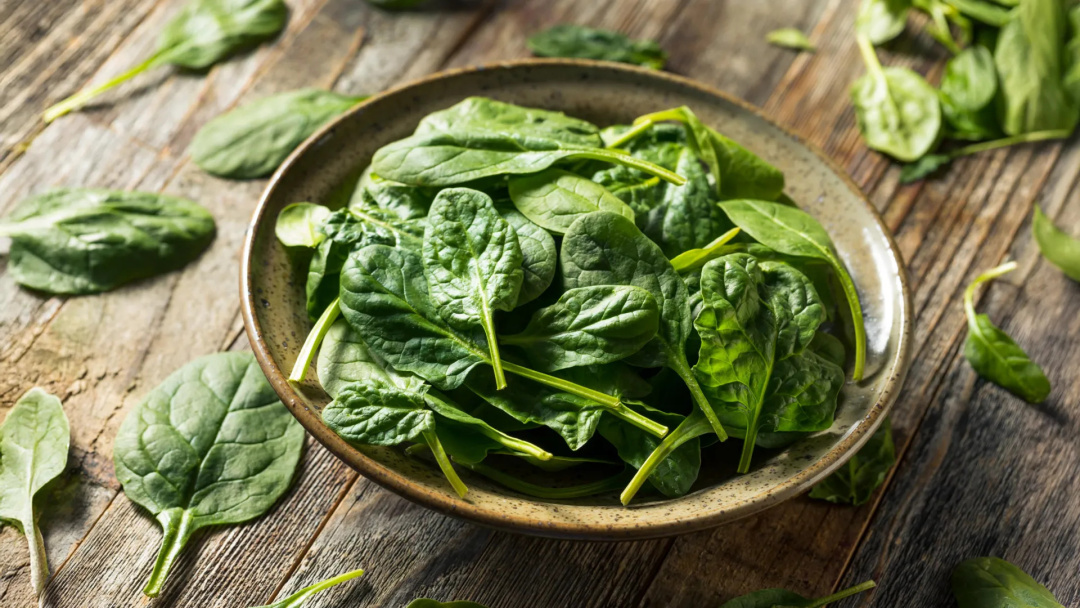
Spinach, almonds, and sweet potatoes are often celebrated for their nutritional benefits. However, new research from the UNC School of Medicine reveals that for individuals with inflammatory bowel disease (IBD), a naturally occurring compound known as oxalate found in these foods may exacerbate intestinal inflammation. The findings, published on August 13, 2026, in the journal Cellular and Molecular Gastroenterology and Hepatology, were led by postdoctoral scholar Anna Salvador, PhD, RD, LDN, in the lab of Dr. Shehzad Z. Sheikh, MD, PhD, a Professor of Medicine and Genetics.
The researchers conducted a comprehensive examination of gene activity, oxalate levels in stool, and dietary patterns among individuals with IBD and those without the disease. They also performed experiments in mice and cultured cells to investigate how dietary oxalate might influence inflammation in the intestinal lining.
Oxalate, a compound present in all plant foods, is typically eliminated in stool even in healthy digestive systems. However, the study found that two transporter proteins responsible for moving oxalate out of the gut, SLC26A2 and SLC26A3, were consistently present at lower levels in the intestinal tissue of patients with ulcerative colitis and Crohn's disease. This reduction was observed across affected tissues, regardless of whether active inflammation was present. Notably, as tissue inflammation increased, the expression of these transporters decreased.
This impairment in transport systems results in less dietary oxalate being absorbed, leaving more oxalate in the intestinal environment, which may intensify the inflammation associated with IBD. One of the most significant findings of the study was that individuals with Crohn's disease exhibited higher levels of oxalate in their stool compared to those without IBD, despite similar consumption of plant-based foods. This conclusion was reached through two methods: a validated dietary questionnaire and DNA metabarcoding, a technique that detects plant species in stool samples.
Dr. Salvador remarked, "For the first time, we observed that IBD patients and healthy controls were eating similar amounts of plant-based foods yet CD patients still had more oxalate in their stool. This indicates that the issue is not solely about dietary intake but rather a fundamental difference in how their gut processes oxalate."
Further investigations involved animal models, where mice fed an oxalate-supplemented diet alongside a substance inducing colitis had a 60 percent lower survival rate compared to those not receiving additional dietary oxalate. In genetically predisposed mouse models, dietary oxalate led to earlier onset and increased severity of colitis. Cell culture experiments revealed that oxalate heightened inflammatory responses in macrophages and dendritic cells, which are crucial for intestinal protection and regulation.
The research team also explored the potential of oxalate-related genes as markers for the progression of Crohn's disease. They found that low expression of another transporter, SLC26A6, was linked to stricturing Crohn's disease, a more severe form characterized by the formation of scar tissue that narrows the intestine. Nearly 75 percent of patients with low SLC26A6 expression had this aggressive form of the disease, suggesting that oxalate transporter activity could help identify patients at risk for severe disease progression, although this finding requires confirmation in larger patient groups.
Importantly, the study does not suggest that individuals with IBD should eliminate plant foods from their diets. Instead, it indicates that for those genetically predisposed, even moderate amounts of oxalate may contribute to intestinal inflammation. The researchers propose that previous dietary studies on IBD may have been complicated by variations in how patients process oxalate.
The gut microbiome could offer another avenue for treatment, as certain bacteria, including Oxalobacter formigenes, can break down oxalate. These bacteria are less prevalent in individuals with IBD, which raises the possibility of future microbiome-based treatments to enhance oxalate breakdown in the gut, providing an alternative to dietary restrictions.
The researchers caution that their findings are not yet sufficient to support formal recommendations regarding oxalate intake for individuals with IBD. Future studies should involve larger patient groups over time, combining measurements of stool oxalate, detailed dietary intake, molecular profiling, and microbiome analyses. Dr. Sheikh emphasized, "For patients living with Crohn's disease or ulcerative colitis, this research opens a genuinely new therapeutic angle that connects the food on their plate to the inflammation in their gut. Diet is one of the most powerful, modifiable levers we have in medicine, and this study provides a molecular framework to start using it more precisely."
The study received support from the Helmsley Charitable Trust, the National Institute of Diabetes and Digestive and Kidney Diseases (NIDDK), the Chan Zuckerberg Initiative, Schmidt Sciences, the Burroughs Wellcome Fund, and additional National Institutes of Health sources. Co-authors of the study represent institutions including UNC-Chapel Hill, Texas A&M University, and Duke University.