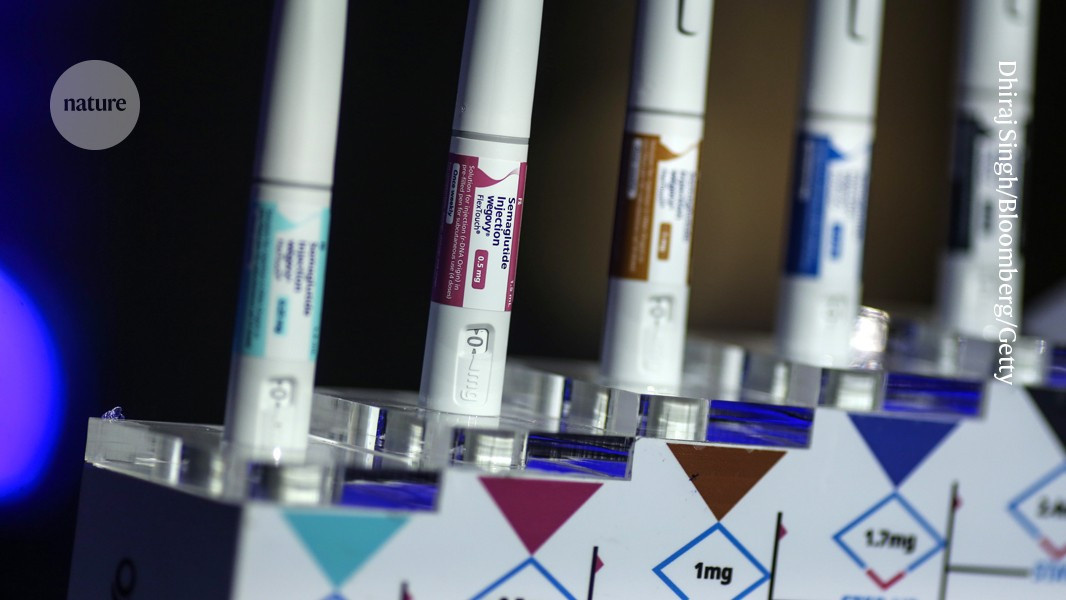
Study Suggests Weight-Loss Drug Semaglutide May Slow Aging in Mice

A recent study has revealed that semaglutide, the active ingredient in well-known weight-loss medications such as Ozempic and Wegovy, may have an unexpected effect: it could slow certain aspects of aging. Conducted on elderly female mice, the research published in the journal Nature found that those treated with semaglutide lived significantly longer than those in a control group, with their median lifespan increasing by approximately 12 percent, equating to nearly 100 additional days. Beyond longevity, the treated mice also exhibited improvements in muscle function, cognitive performance, and spatial memory, suggesting that the drug's benefits may extend beyond its established role in weight management and blood sugar regulation. This has sparked interest among aging researchers, who are now questioning whether medications initially designed to treat metabolic diseases could also impact the biological processes that contribute to aging. Semaglutide belongs to a class of drugs known as GLP-1 receptor agonists, which mimic a naturally occurring hormone involved in appetite and metabolism. The findings raise the possibility that semaglutide might influence inflammation and other pathways linked to age-related decline. Chronic inflammation is associated with various conditions that become more prevalent with age, and if semaglutide can modulate these processes, it could help explain the observed enhancements in both lifespan and health measures among the treated mice. However, caution is warranted. The study does not establish that semaglutide can extend human lifespan, nor does it imply that individuals using Ozempic or Wegovy will experience similar benefits. While animal studies can illuminate biological mechanisms that may later prove significant in humans, promising results in mice often necessitate years of additional research before they can be translated into clinical applications. Therefore, the current findings should not be interpreted as an endorsement for using semaglutide as an anti-aging treatment. Instead, they provide valuable insights into the complex relationship between metabolism, inflammation, and aging. Scientists have long sought methods to extend not just lifespan but also healthspan, the duration of life spent in good physical and cognitive health. This study positions semaglutide within that ongoing conversation, suggesting that a drug already widely used for diabetes and obesity may also offer a new perspective on the aging process. Whether these findings will translate into longer, healthier lives for humans remains uncertain, with the strongest evidence currently residing in animal models, emphasizing the importance of distinguishing between species in medical research.