Study Identifies Fibronectin's Role in Blood-Brain Barrier Damage in Alzheimer's Models
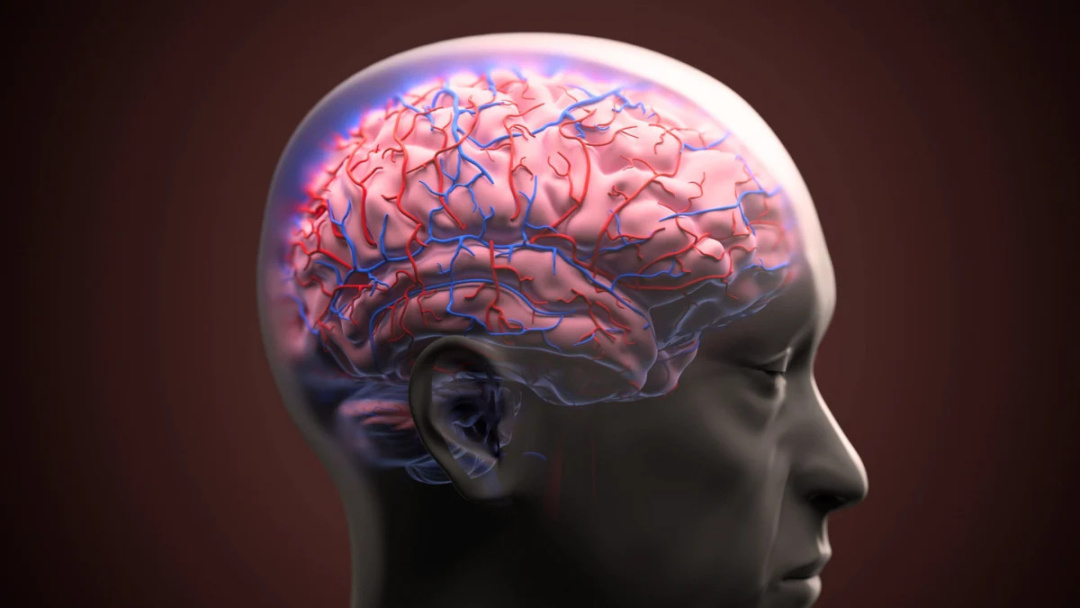
The blood-brain barrier, which serves as a protective shield for the brain, may begin to leak in individuals with Alzheimer's disease. A new study published in Nature Aging has identified fibronectin, a protein typically associated with tissue repair, as a significant factor in the damage to this barrier in models linked to the APOE4 gene variant. Researchers found that the presence of APOE4, along with inflammation and amyloid-beta, leads to an overproduction of fibronectin by support cells in the brain. This excess fibronectin accumulates around blood vessels, disrupting the signals that maintain the barrier's integrity and allowing harmful substances to enter the brain. Columbia University neuroscientist Çağhan Kızıl emphasized that reducing fibronectin levels effectively rescues the barrier defects observed in experimental models. This finding is particularly important as the breakdown of the blood-brain barrier can occur early in Alzheimer's disease, potentially before any noticeable memory issues arise. The study suggests that while much of the research has focused on amyloid-beta and tau proteins, addressing the health of the brain's blood vessels could provide a new avenue for treatment. The research team examined postmortem brain tissue and cerebrospinal fluid from Alzheimer's patients and validated their findings using human cells, three-dimensional blood-vessel models, and animal models, including APOE4 mice and zebrafish. They discovered that fibronectin's accumulation is not merely a byproduct of damage but actively contributes to the barrier's failure. The researchers explored various interventions, finding that reducing fibronectin levels decreased leakage in zebrafish exposed to amyloid-beta. They also identified potential pathways for intervention, such as blocking specific signaling processes that lead to fibronectin overproduction. Importantly, the study highlights that while fibronectin is essential for normal healing and vascular maintenance, the goal should not be to eliminate it entirely but to find ways to manage its pathological buildup in the brain. Future research may lead to the development of therapies that target excess fibronectin without disrupting its beneficial roles elsewhere in the body. However, it is crucial to note that these findings are still in the preclinical stage, and further studies are needed to confirm their implications for human Alzheimer's treatment. The study underscores the complexity of Alzheimer's disease and the potential for new therapeutic targets that focus on the blood-brain barrier and its protective functions.