Exploring the Health Benefits of Monk Fruit Beyond Sweetening
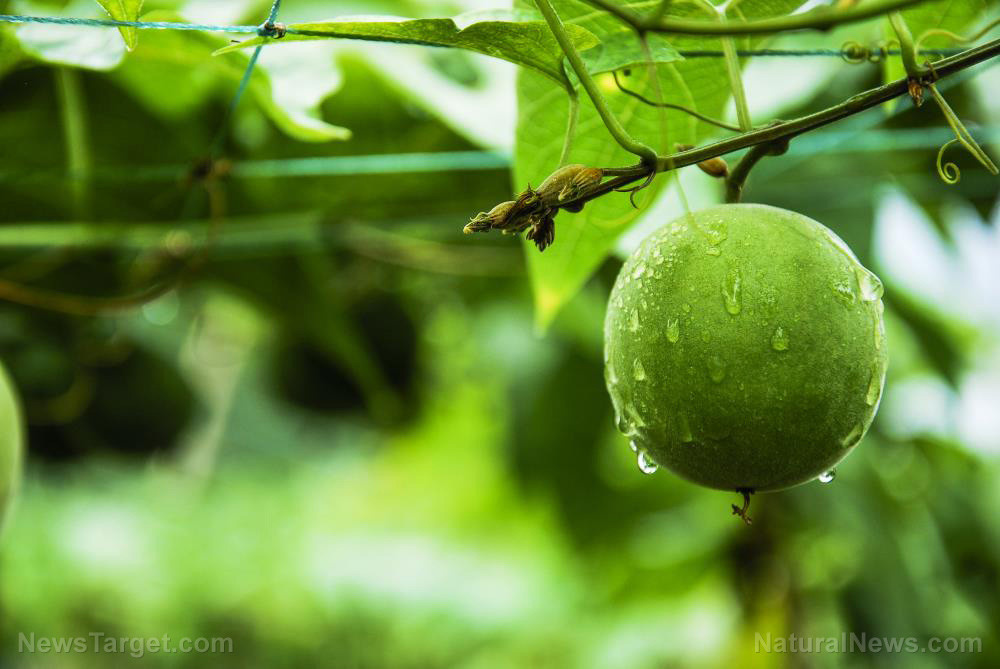
In the misty mountains of Southern China, monk fruit, known scientifically as Siraitia grosvenorii, has been cultivated for centuries and is now attracting scientific interest for its potential health benefits. A recent study published in the Journal of the Science of Food and Agriculture explores the fruit's complex chemistry, revealing a range of bioactive compounds that may help slow cellular decline and improve health outcomes. This research is particularly relevant as the global population ages and the search for natural health solutions intensifies.
Traditionally used in Chinese medicine to treat various ailments, monk fruit's reputation as a restorative tonic is now being examined through modern scientific methods. The fruit is rich in antioxidants, which neutralize free radicals that contribute to oxidative stress, a condition linked to aging and chronic diseases such as heart disease and diabetes.
The study identifies specific natural compounds responsible for monk fruit's health benefits, focusing on three major classes: terpenoids, flavonoids, and amino acids. These compounds were analyzed from both the peel and pulp of different monk fruit varieties, providing a detailed profile of where these beneficial substances are most concentrated.
Significantly, the research suggests that these compounds interact with human biology in meaningful ways, potentially influencing inflammation, metabolism, and the body's antioxidant defenses. This mechanistic understanding sheds light on how monk fruit might affect physiological functions beyond its role as a sweetener.
Notably, the study found that the antioxidant potency of monk fruit varies among cultivated varieties. For instance, the "Suqiao" variety exhibited strong antioxidant effects in its pulp, while the "Xingning" variety had peels abundant in amino acids and terpenoids. This information is valuable for agriculture and the food industry, guiding which varieties may be most beneficial for dietary supplements and functional foods.
Although monk fruit is primarily recognized as a natural sweetener—150 to 200 times sweeter than sugar without calories—this research emphasizes its broader identity as a functional food. The compounds in monk fruit are not significantly absorbed in the upper digestive tract, allowing them to reach the colon where they may interact with gut microbes, potentially benefiting gut health. Some metabolites may enter the bloodstream, indicating systemic effects that align with previous studies showing enhanced stem cell function and slowed aging markers in animal models.
The U.S. Food and Drug Administration has recognized certain monk fruit extracts as safe since 2010, leading to their widespread use in various products. However, consumers should be cautious, as pure monk fruit extract is often mixed with other sweeteners, which may dilute its unique health benefits. Seeking high-quality, minimally processed extracts is advisable for those interested in the potential health benefits of monk fruit.
This research does not claim monk fruit to be a miracle cure but elevates it from a mere sugar substitute to a subject of scientific interest. It highlights the convergence of traditional knowledge and modern science, suggesting that exploring natural remedies may provide insights into contemporary health challenges. As the demand for natural health solutions grows, monk fruit exemplifies how scientific inquiry can uncover the potential benefits of traditional foods, offering a promising avenue for healthier aging.