Research on Safflower's Potential Benefits for Heart Health and Blood Sugar Control
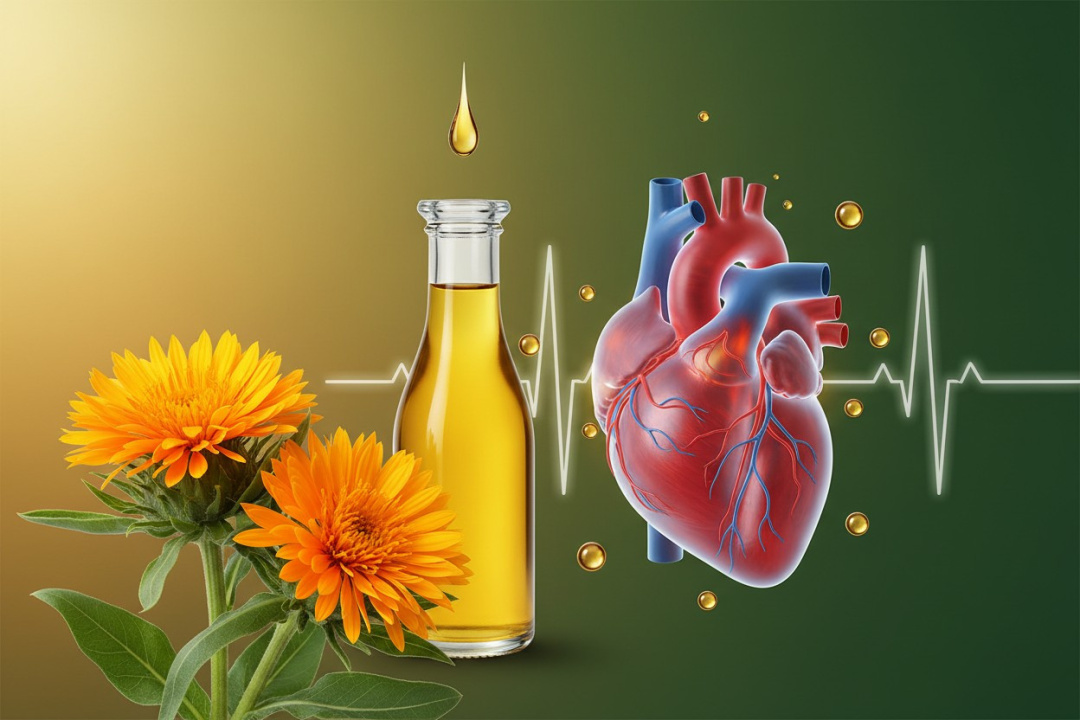
Research into safflower (Carthamus tinctorius) has revealed its potential benefits for heart health and blood sugar control, focusing on bioactive components such as safflower yellow and hydroxysafflor yellow A. While most studies have been conducted in animal models or test tubes, there is a growing interest in understanding how safflower may benefit human health, particularly regarding cardiovascular conditions and diabetes management. Larger human trials are essential to confirm the reported effects and establish safe upper limits for safflower flower and supplements.
Safflower oil is commonly used in cooking, including frying, baking, and salad dressings, and has been a part of traditional medicine in various Asian cultures for treating a range of ailments. Its flowers and seeds have been utilized in folk medicine for conditions like gynecological issues and cardiovascular disorders. Recent studies aim to validate these traditional uses, confirming safflower's potential as a therapeutic agent through rigorous research.
The oil is rich in unsaturated fats, particularly linoleic acid, and phytosterols, which are known to lower LDL cholesterol levels, thereby potentially reducing the risk of heart disease. High-oleic safflower oil, which contains a higher proportion of monounsaturated fatty acids, may further contribute to lowering LDL cholesterol when used in place of saturated fats. The World Health Organization recommends that dietary fat should comprise less than 30% of total caloric intake, with a specific emphasis on limiting saturated fat.
In addition to its cardiovascular benefits, safflower has been studied for its effects on blood sugar regulation. Research indicates that safflower seed oil may improve insulin sensitivity and help regulate blood sugar levels, which is particularly beneficial for individuals managing Type 2 diabetes. However, more human-based studies are necessary to confirm these effects and determine appropriate dosages.
Safflower yellow, a flavonoid found in safflower, possesses antioxidant and anti-inflammatory properties. Some studies suggest that it may help prevent complications following a heart attack and improve blood circulation, aligning with its traditional use in Chinese medicine. Additionally, hydroxysafflor yellow A has shown promise in enhancing neurological function after acute ischemic stroke, although further randomized controlled trials are needed to validate these findings.
Despite the potential benefits, caution is advised when using safflower products, particularly for individuals on anticoagulant medications or those with bleeding disorders. Pregnant or breastfeeding women should also avoid herbal forms of safflower. Rare case reports have associated excessive safflower oil consumption with liver failure, although the specifics of these cases remain unclear.
Overall, safflower has a long history of use in various cultures, and contemporary research continues to explore its health benefits. While safflower oil may be a healthy addition to a balanced diet, individuals should consult healthcare providers before incorporating it into their regimen, especially if they have underlying health conditions or are taking medications.