Researchers have developed a nanoparticle treatment that encourages the generation of new brain cells, successfully reversing cognitive decline in an animal model of Alzheimer's disease. This innovative approach could potentially lead to new therapies for patients suffering from…
Recent research from Columbia University reveals that individuals with major depressive disorder may experience a disruption in their brain's ability to generate new neurons. This…
New research from Gladstone Institutes reveals that the APOE4 gene, a major risk factor for Alzheimer's disease, may alter brain activity long before memory issues arise. The stud…
A new study from Tohoku University reveals that during REM sleep, while blood flow in the brain increases, the energy levels in neurons actually drop. This paradox highlights the…
Researchers at UC San Diego have mapped significant cell changes in the aging human hippocampus, revealing a shift in immune cell types and structural erosion that could impact le…
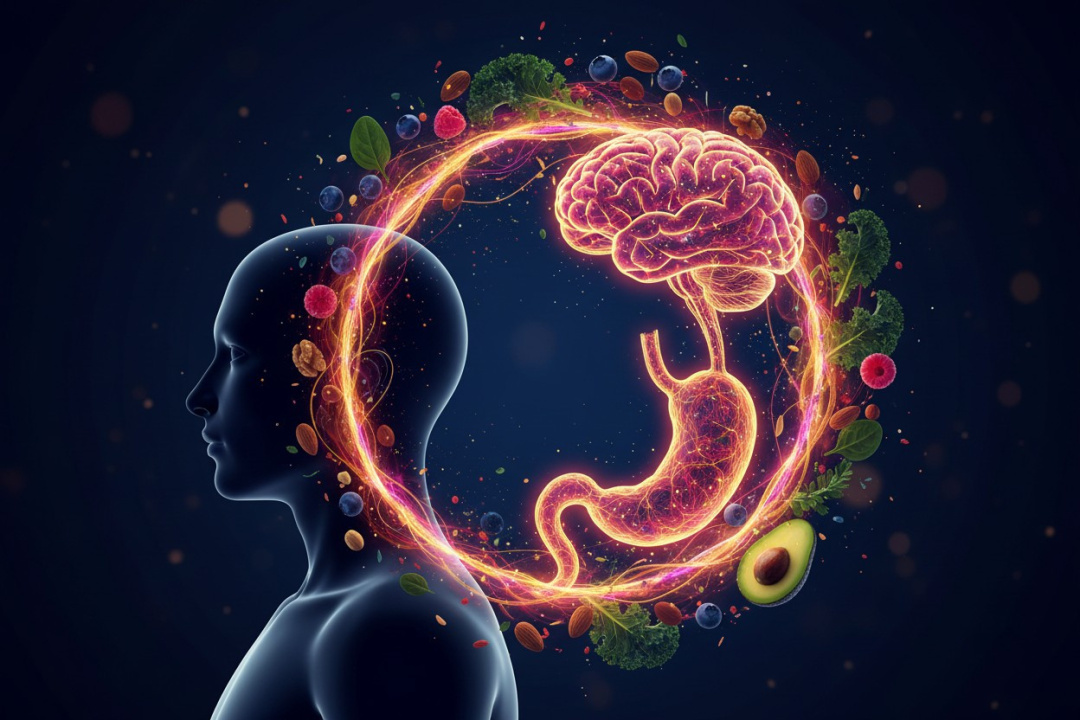
A recent study published in Nature suggests that age-related cognitive decline may be influenced more by gut health than previously thought. Researchers at the Arc Institute found…
Recent research highlights the detrimental effects of certain foods and beverages on brain health, emphasizing the risks associated with alcohol, processed meats, and artificial s…
Recent research indicates that GLP-1 agonists, such as Ozempic, may not only aid in weight loss but also reduce cravings for addictive substances like alcohol. This effect is link…
A recent study from the University of Southern California highlights how a high-fat, high-sugar diet in early life may disrupt memory in rats. Researchers found that such diets im…
A recent study from the University of Southern California highlights the role of gut-brain signals in forming food-related memories. Researchers found that nutrient-rich foods enh…
A recent study published in npj Aging reveals that infants who consumed less sugar during their first 1,000 days of life have significantly lower risks of developing Alzheimer's d…
Recent research indicates that signals from the gut may influence how food-related experiences are remembered. Conducted by USC researchers, the study found that consuming nutrien…
A recent study suggests that freediving, an extreme sport involving prolonged breath-holding, may lead to significant changes in brain connectivity, particularly in areas related…
 Breathing.Food