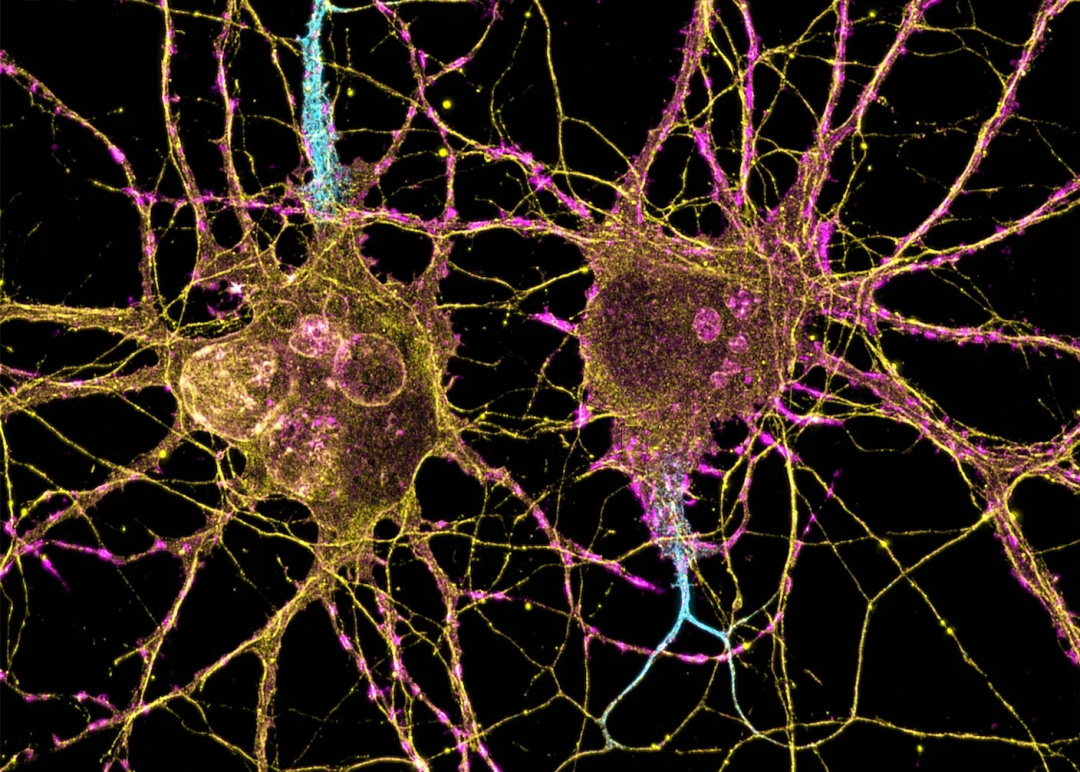
A recent study suggests that consuming unsalted, skin-roasted peanuts daily may improve brain health in older adults. Conducted by researchers at Maastricht University Medical Center, the study found that participants who ate 60 grams of peanuts each day for 16 weeks showed impr…
A recent study indicates that consuming two servings of unsalted peanuts daily may enhance insulin responsiveness in specific brain regions associated with memory. Conducted by re…
A recent study from Maastricht University Medical Center reveals that eating unsalted, skin-roasted peanuts daily can enhance brain insulin responsiveness and support cognitive fu…
A recent study highlights the importance of integrating both exercise and nutrition to optimize brain health in aging individuals. By analyzing various trials, researchers found t…
A recent study conducted by researchers at Keck Medicine of USC has revealed that high doses of fish oil supplements, despite successfully delivering omega-3 fatty acids to the br…
A recent review examines how different types of exercise influence brain health across the lifespan, focusing on two key molecules: BDNF and IGF-1. The findings suggest that both…
A recent study published in the Journal of Alzheimer’s Disease suggests that regular aerobic exercise may enhance executive function in postmenopausal women. The research indicate…
This article explores the various types of magnesium supplements available, their benefits, and the evidence supporting their use. It highlights the importance of magnesium for bo…
A recent meta-analysis examined the effects of soy isoflavones on cognitive health, particularly memory, in a group of 1,386 adults. The findings suggest a small improvement in me…
Research indicates that several daily lifestyle habits can help preserve long-term memory and reduce the risk of cognitive decline. Key habits include regular physical activity, a…
Recent studies suggest that limiting sugar intake during early life, particularly during the sugar rationing in the UK during World War II, may lead to lower risks of dementia and…
Researchers at the University of South Carolina have developed a drug that transforms astrocytes into neurons, demonstrating potential to reverse Alzheimer's symptoms in mice. Thi…
A recent study suggests that freediving, an extreme sport involving prolonged breath-holding, may lead to significant changes in brain connectivity, particularly in areas related…

 Breathing.Food