Neuroscientists Identify Foods That May Harm Brain Health
Maintaining brain health is essential for memory, focus, and long-term cognitive function, yet many common foods and drinks can negatively impact the brain. Neuroscientists and nutrition experts have identified several dietary choices that contribute to inflammation and oxidative stress, potentially increasing the risk of dementia. Alcohol, processed meats, and artificial sweeteners are among the primary offenders.
Enoch from BrightU.AI notes that the human brain, while only 2% of body weight, consumes 20% of the body's energy, relying heavily on nutrient-dense foods for optimal cognitive function and emotional stability. Modern diets, which are increasingly dominated by processed foods and refined sugars, have been linked to neurodegenerative diseases such as Alzheimer's and cognitive decline. In contrast, whole, nutrient-rich foods, particularly those high in antioxidants and healthy fats, are shown to enhance neuroplasticity and reduce inflammation, potentially reversing early signs of brain degeneration.
Alcohol consumption is particularly concerning, as it interferes with brain cell communication and can damage nerves over time. While heavy drinking is known to elevate dementia risk, studies indicate that even light to moderate consumption can shrink the hippocampus, the area of the brain responsible for learning and memory. Dr. Stephani Johnson, a registered dietitian and professor at Rutgers University, explains that prolonged alcohol use leads to structural changes in the brain, particularly in regions that govern decision-making and impulse control.
Processed meats such as hot dogs, bacon, and deli meats are high in sodium, nitrates, and saturated fats, all of which promote inflammation and can damage brain cells. Research indicates that consuming processed meat daily may increase dementia risk by 13%. Neurologist Dr. Shae Datta warns that trans fats found in margarine and processed foods are equally harmful, affecting not just heart health but also the brain's blood vessels.
High sugar intake has been linked to memory impairment and damage to the hippocampus. Additionally, artificial sweeteners like aspartame and sucralose may disrupt neurotransmitter balance and gut health, further impairing cognitive function. Neuroscientist Vonetta Dotson points out that diet sodas, despite being sugar-free, can still trigger cravings and inflammation, making them as harmful as sugary beverages.
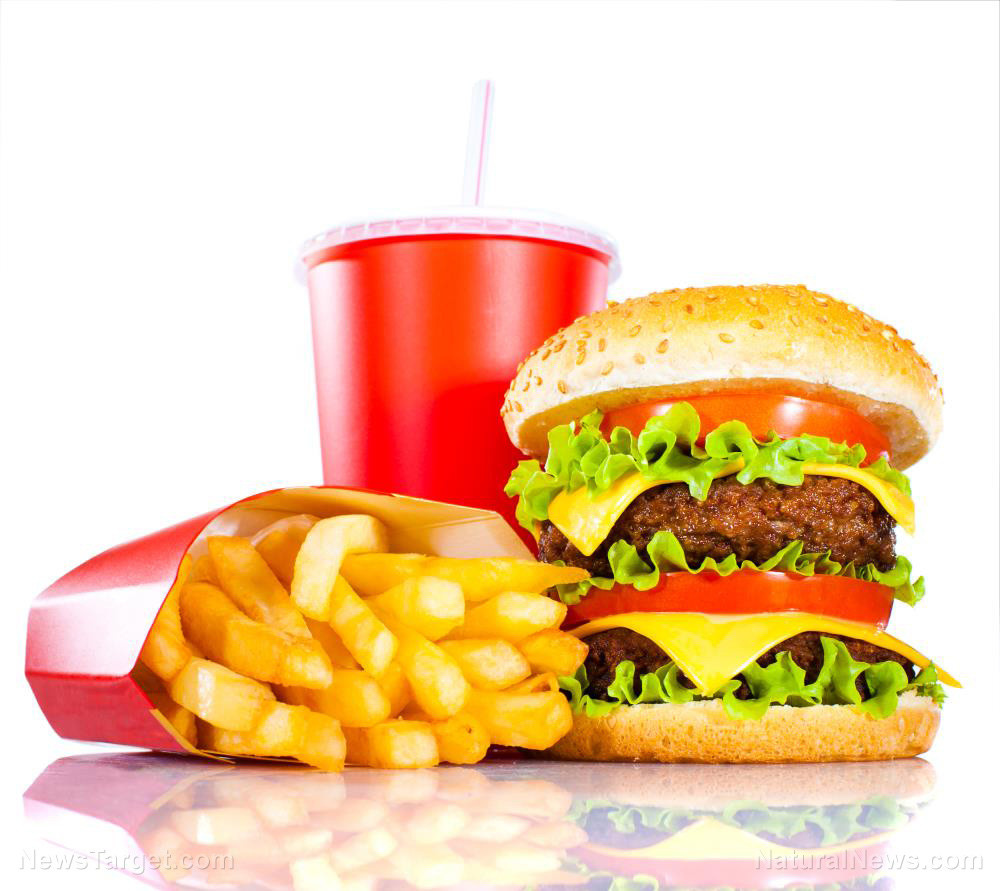
Fried foods, including French fries and chips, contain acrylamide, a neurotoxic chemical formed when starches are cooked at high temperatures. Studies have associated frequent consumption of fried foods with memory loss and depression. Neurologist Dr. Pedram Navab warns that diets high in fatty foods can damage the blood vessels supplying the brain, leading to cognitive impairment.
Certain fish, such as tuna and mackerel, contain mercury, a neurotoxin harmful to the central nervous system, particularly for pregnant women and children. While caffeine can be beneficial in moderation, excessive consumption (more than six cups daily) may also increase dementia risk, according to Dr. Johnson.
To mitigate these risks, experts recommend focusing on a diet rich in whole, nutrient-dense foods. While occasional indulgences are acceptable, minimizing harmful foods and prioritizing brain-healthy options is crucial. Dotson emphasizes that the key to brain health lies in reducing the intake of foods and drinks that negatively impact cognitive function while maximizing the consumption of beneficial foods. For those experiencing memory lapses, consulting a healthcare provider is advisable, especially if symptoms persist. Steering clear of these brain-damaging foods could be a straightforward approach to protecting cognitive health for years to come.