Study Reveals Gut-Brain Signals Influence Food Memory in Rats
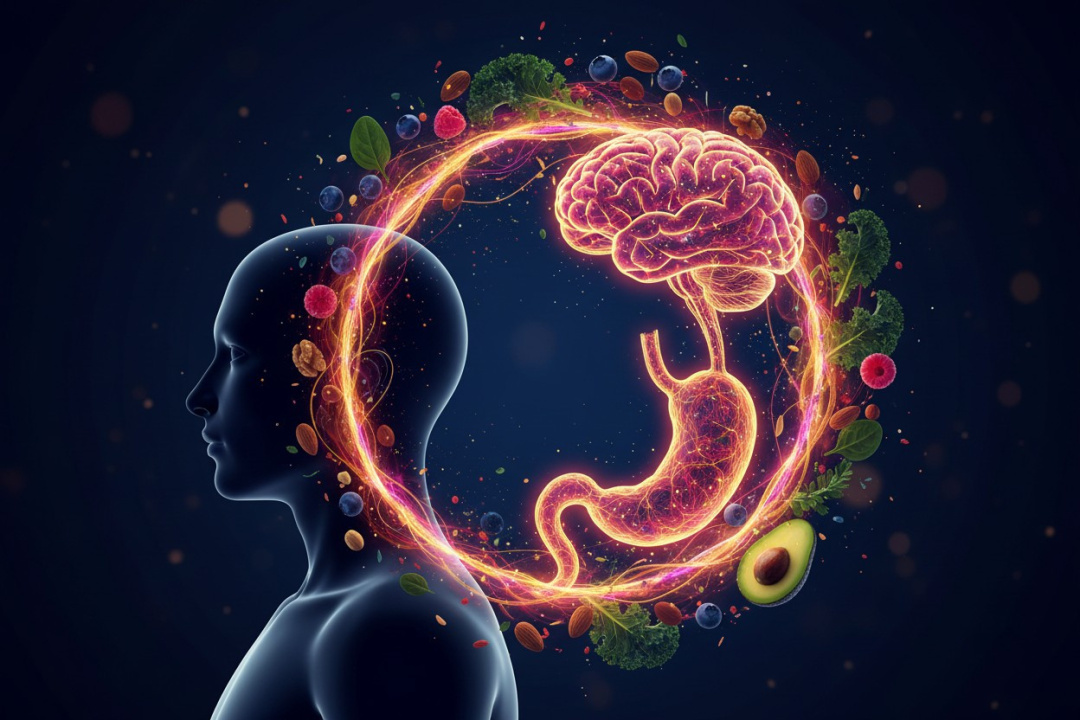
Researchers at the University of Southern California have unveiled insights into the gut-brain axis, a critical communication pathway between the digestive system and the brain. This study, published on July 29 in Nature Communications, explores how signals from the gut can influence food memory. Led by Scott Kanoski, a professor of biological sciences, the research involved measuring neurotransmitter activity in rats. The findings revealed that when these animals consumed nutrient-rich foods, levels of acetylcholine—a neurotransmitter essential for learning and memory—rose significantly in neurons associated with the hippocampus, a brain region vital for memory formation.
The study further demonstrated that if vagus nerve communication was disrupted, the increase in acetylcholine levels following food consumption did not occur. Consequently, the rats exhibited poorer performance in tasks that required them to recall the locations of food. This suggests that nutrient signals traveling through the vagus nerve are crucial for the brain's ability to store food-related memories.
Interestingly, the research indicated that the memory response was linked to the nutritional content of the food rather than its sweetness. Rats that were given sugar or fat showed heightened activity in memory-related brain pathways, while those consuming low-calorie or non-caloric sweet liquids did not exhibit the same response.
Logan Lauer, the study's first author and a PhD student in Kanoski's lab, posited that this mechanism likely evolved to assist animals in remembering important information about food sources. "This meal provided valuable nutrients, so remember where and how you got it," Lauer explained.
However, the study also noted that while sugar and fat led to strong short-term memory responses, frequent consumption of these foods could have detrimental effects over time. Rats that were fed high-fat and high-sugar diets during early life showed reduced communication between the gut and the hippocampus, resulting in diminished memory-related brain responses even after switching to a healthier diet.
These findings contribute to the growing body of evidence linking processed foods to cognitive decline. Kanoski pointed out that disruptions in acetylcholine signaling in the hippocampus are among the earliest neurochemical changes observed in Alzheimer's disease. He suggested that understanding this gut-brain signaling could pave the way for novel therapeutic approaches, such as vagus nerve stimulation.
The researchers acknowledged the need for further studies to determine whether similar processes occur in humans. The study was supported by grants from the National Institute of Diabetes and Digestive and Kidney Diseases, the National Institute on Aging, and other funding sources. Additionally, dietary strategies that promote gut health may be beneficial, as chronic inflammation linked to brain issues often originates in the gut. Experts have noted that a lack of dietary prebiotic fiber can contribute to this inflammation, while probiotics may help mitigate some of the pathological features associated with Alzheimer's disease. Overall, this research underscores the intricate relationship between diet, gut health, and cognitive function, highlighting the importance of nutritional choices in maintaining memory and overall brain health.