Mapping Brain Cell Changes in Aging: Insights from UC San Diego Study
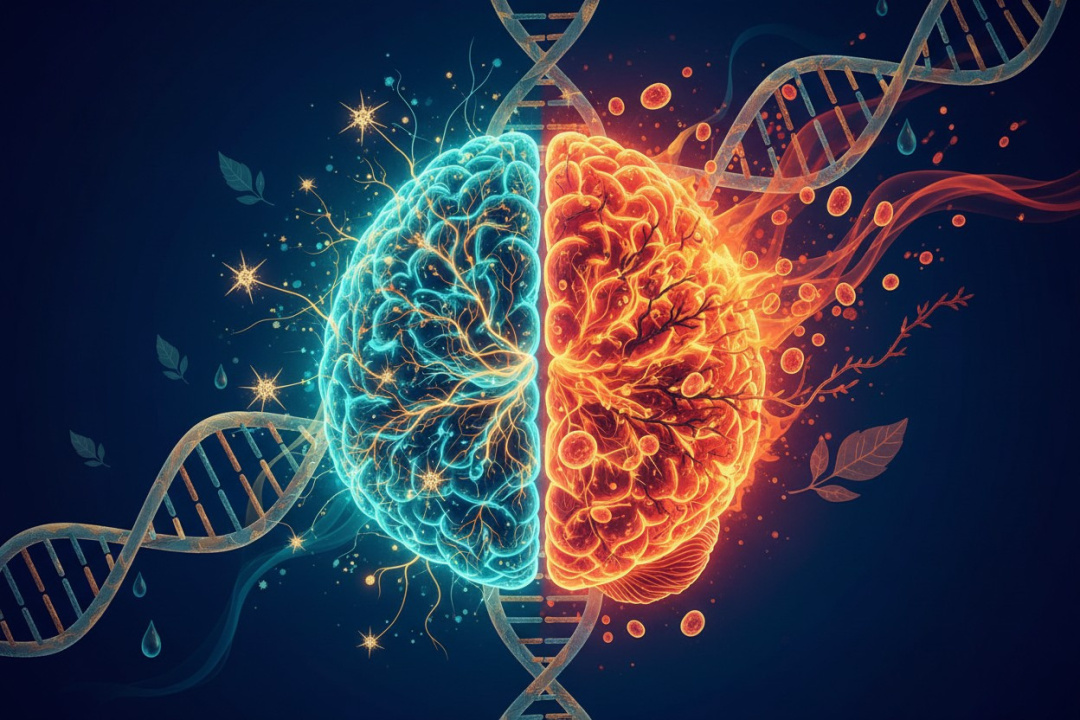
Researchers at the University of California, San Diego have conducted a detailed study mapping cell-by-cell changes in the aging human hippocampus, the brain region crucial for learning and memory. Published on August 12, 2026, in the journal Science, the study examined donated hippocampal tissue from 40 adults across the adult lifespan. Utilizing advanced single-cell tools, the research team analyzed gene activity, chromatin structure, and the physical folding of DNA within individual brain cells.
The findings indicate that between the ages of approximately 50 and 75, microglia—the brain's resident immune cells—are progressively replaced by cells resembling monocytes, which are immune cells found in the bloodstream. These new cells carry markers associated with active inflammation, a concerning development given that activated microglia have been linked to the onset and worsening of inflammation and neuronal degeneration in various brain diseases.
Traditionally, microglia are expected to remain in the brain throughout a person's life, providing protection for neurons. However, this study found that during the 50-to-75 age range, a different population of cells takes over, which may not provide the same protective benefits. The researchers described this shift as "structural erosion spreading through the aging hippocampus."
Additionally, the study noted a significant decline in astrocytes, star-shaped cells that facilitate communication between neurons, particularly those responsible for synaptic signaling, which is essential for memory. Surviving brain cells also exhibited reduced mitochondrial energy production, further complicating the aging process.
The research revealed that the three-dimensional folding of the genome loosened across nearly every cell type studied, indicating a broader structural change not limited to any single population of cells. Other studies have suggested that immune signaling pathways become aberrantly activated in brain regions associated with learning and memory in conditions like Alzheimer's disease.
The article also highlights dietary components that may influence brain inflammation. For instance, a study from the University of Illinois found that certain plant compounds, abundant in foods like celery and green peppers, can disrupt inflammatory responses in the brain. Foods rich in CoQ10, magnesium, and B vitamins—such as wild-caught fatty fish, organic leafy greens, and pasture-raised eggs—are suggested to support mitochondrial energy pathways.
Moreover, the article emphasizes the role of lifestyle factors in maintaining brain health. Regular exercise has been linked to healthier microglia and stronger synaptic connections, while chronic sleep disruption has been associated with accelerated inflammatory aging. The cell-by-cell mapping from this study may provide a roadmap for early prevention efforts, allowing for the detection of brain changes before memory loss becomes apparent.
This research underscores the importance of understanding the biological changes that occur in the brain as we age and suggests that dietary and lifestyle interventions could play a significant role in mitigating these effects. The study's findings may inform future strategies for promoting brain health and resilience in aging populations.