Researchers have developed a new class of light-activated drugs that have successfully restored vision in blind mice, offering a potential non-invasive treatment for conditions like age-related macular degeneration and retinitis pigmentosa. This innovative approach could provide…
This article highlights several recent scientific developments, including promising research on reversing Alzheimer's damage, the identification of the safest place on Earth for p…
A recent review of nine clinical trials indicates that regular consumption of blueberries can enhance episodic memory in older adults experiencing cognitive decline. The study att…
This article examines five Ayurvedic herbs traditionally believed to support brain health, including Ashwagandha and Brahmi. It discusses the historical context, current research…
New research from Gladstone Institutes reveals that the APOE4 gene, a major risk factor for Alzheimer's disease, may alter brain activity long before memory issues arise. The stud…
A recent study investigates how the Hippo signaling pathway affects cuticle pigmentation and dopamine metabolism in Drosophila melanogaster. This research identifies key genes inv…
New research from Yale University has uncovered surprising effects of Ozempic, a GLP-1 medication, on hunger neurons in the brain. Contrary to previous beliefs that these neurons…
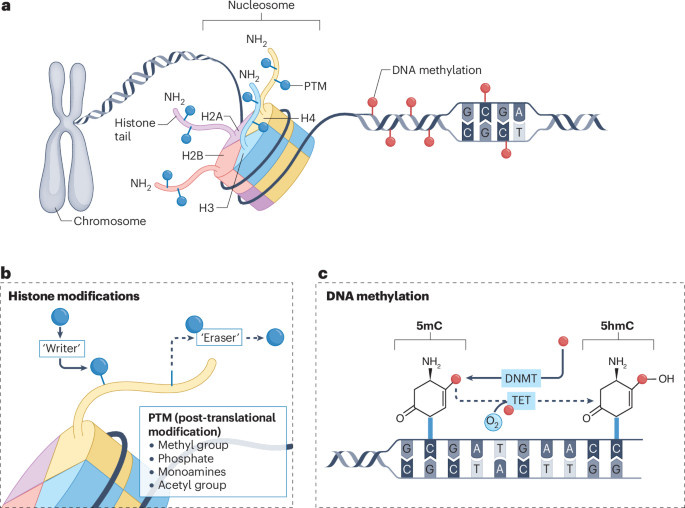
Recent research highlights how early life stress can lead to significant epigenetic changes that affect brain development and increase the risk of neuropsychiatric disorders. This…
Tardigrades, known for their resilience against extreme conditions, exhibit survival mechanisms that researchers are exploring for potential applications in human health. A recent…
A new study from Tohoku University reveals that during REM sleep, while blood flow in the brain increases, the energy levels in neurons actually drop. This paradox highlights the…
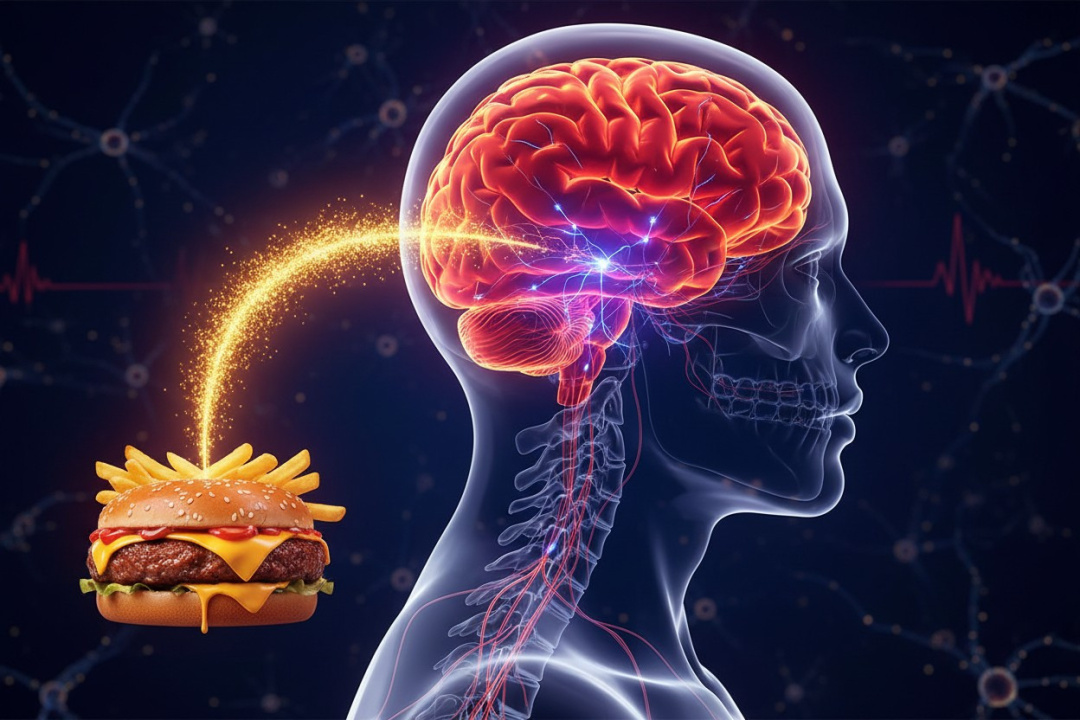
A recent study has identified a brain mechanism that may explain why individuals overconsume fatty foods. Conducted on animal models, the research highlights how specific neural c…
Yale researchers have identified a potential strategy to protect the brain from cognitive impairments caused by hypoglycemia in type 1 diabetes. The study suggests that dietary su…
A groundbreaking genetic study reveals that women must now manage 127 DNA regions to avoid the risk of Alzheimer’s, including 48 newly identified regions.
Havana syndrome, also known as anomalous health incidents, has affected U.S. National Security personnel, leading to symptoms such as vertigo, headaches, and cognitive issues. Res…

 Breathing.Food