Review Highlights Memory Benefits of Blueberry Consumption for Older Adults
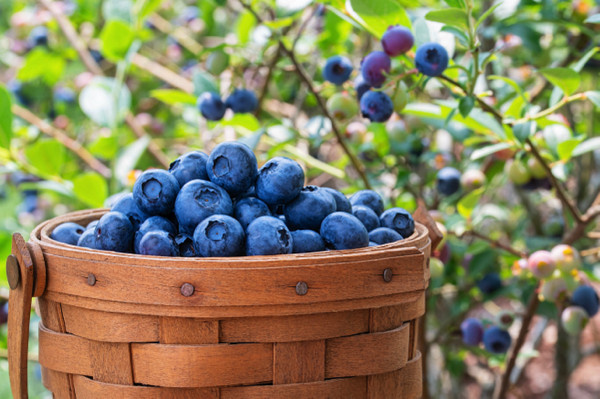
Recent research synthesizing data from nine randomized controlled trials has revealed that regular consumption of blueberries may significantly improve episodic memory in older adults with cognitive decline. This review analyzed data from 513 participants who exhibited varying degrees of cognitive decline, ranging from subjective memory complaints to diagnosed mild cognitive impairment. The findings indicate that blueberry intake correlates with statistically significant enhancements in episodic memory, which is crucial for recalling specific events and experiences. Notably, among participants diagnosed with mild cognitive impairment, improvements in language-related memory were also observed.
The beneficial effects of blueberries are largely attributed to anthocyanins, the deep-blue plant pigments concentrated in the skin of the fruit. Unlike many dietary compounds, anthocyanins can cross the blood-brain barrier, a protective filter that prevents most substances in the bloodstream from directly affecting brain tissue. Once inside the brain, these compounds appear to exert their effects through multiple mechanisms, including reducing inflammation, facilitating communication between neurons involved in memory formation, and enhancing blood flow to brain regions associated with memory.
The consistency of these findings across various trials lends credibility to the results, suggesting that they should be taken seriously rather than dismissed as anomalies. Previous observational studies have also supported these findings. For instance, a 2012 study from the Nurses' Health Study involving over 16,000 women aged 70 and older found that those consuming at least one serving of blueberries or two servings of strawberries weekly experienced cognitive aging delayed by up to 2.5 years compared to those who rarely consumed these fruits. Additionally, a 2020 study involving 2,800 dementia-free adults indicated that those with the highest flavonoid intake were approximately 40 percent less likely to develop dementia over a 20-year period than those with the lowest intake.
The review suggests that the memory benefits from blueberry consumption typically manifest after eight weeks or more of consistent intake, with some studies extending beyond six months. This implies that a daily serving of half a cup of blueberries, whether fresh or frozen, is more beneficial than an occasional large serving. Interestingly, frozen organic blueberries maintain similar antioxidant levels to their fresh counterparts and are often more affordable year-round.
Moreover, wild blueberries tend to contain higher levels of anthocyanins compared to conventionally farmed varieties, and opting for organic choices can reduce pesticide exposure, which is particularly important for individuals already managing inflammation.
While these findings are promising, they do not suggest that consuming blueberries alone can reverse poor dietary habits or replace medical care for cognitive decline. However, they highlight a rare instance where a simple, minimally processed food option—regularly consumed—may offer significant benefits that outperform many pharmaceutical interventions. For adults who do not currently include berries in their diet, researchers identify this as a correctable habit that could contribute positively to cognitive health.