Study Reveals Ozempic Activates Hunger Neurons to Sustain Fat Loss
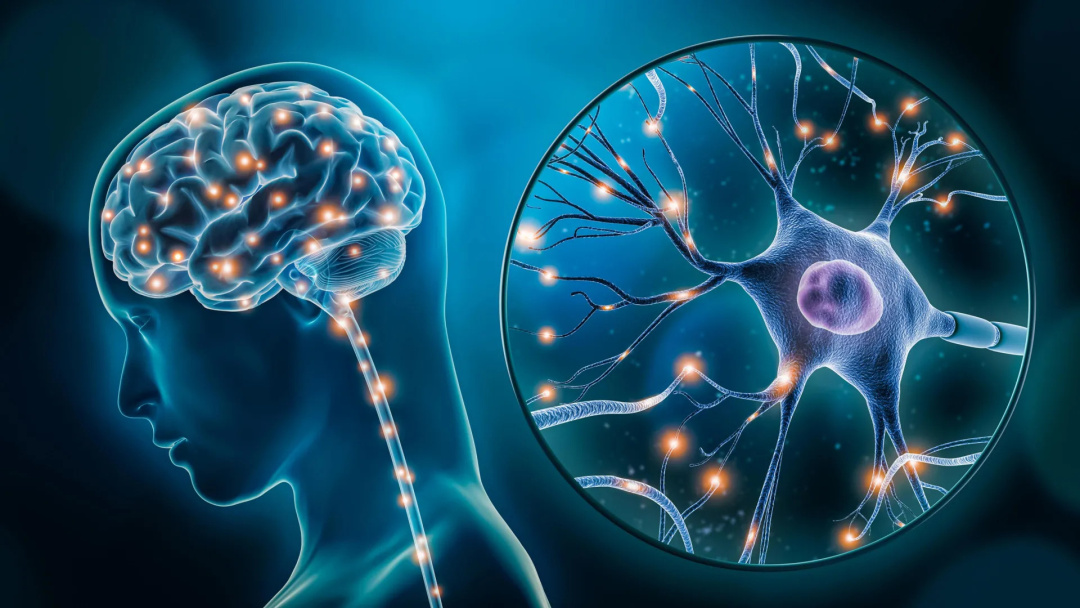
For decades, obesity medications have typically resulted in only modest weight reductions. However, the introduction of GLP-1 therapies like Ozempic has changed this landscape, enabling sustained weight loss of 10 to 15% or more. Despite their effectiveness, the mechanisms behind these medications remain largely unclear. Recent research from Yale University has revealed an unexpected role for agouti-related peptide (AgRP) neurons, traditionally thought to stimulate hunger and hinder weight loss. This study suggests that during treatment with GLP-1 drugs such as Ozempic, these neurons are activated to help sustain fat loss, challenging long-standing views about their function.
Mateus d'Ávila, a Ph.D. candidate in neuroscience at Yale, noted that this finding significantly alters our understanding of how these medications work. The research, published in the Proceedings of the National Academy of Sciences, indicates that semaglutide, the active ingredient in Ozempic, does more than merely suppress appetite; it appears to engage AgRP neurons in a way that supports weight maintenance.
Previous weight loss medications have been effective in reducing appetite but did not achieve the same level of sustained weight loss as semaglutide. This prompted the Yale team to investigate the underlying biological mechanisms at play. They conducted experiments using a mouse model, tracking body weight, food intake, metabolism, and energy expenditure during semaglutide treatment. By selectively silencing or eliminating AgRP neurons, they aimed to determine their role in the drug's effects.
The results were striking: in mice lacking AgRP neurons, GLP-1 drugs failed to sustain weight loss. Further investigation using advanced techniques revealed that rather than being suppressed, AgRP neurons were activated during treatment. This suggests a more complex interaction within the brain than previously understood. When GLP-1 treatment induces a calorie deficit, the brain responds by increasing the activity of these hunger neurons, which may help coordinate fat loss.
This finding adds a new layer to the scientific understanding of GLP-1 therapies, indicating that cells once viewed as obstacles to weight loss may actually facilitate the process. While the experiments were conducted in mice, further research is needed to explore whether these mechanisms are applicable to humans. Identifying how GLP-1 medications influence brain activity could pave the way for the next generation of obesity treatments, potentially leading to therapies that are more effective and have fewer side effects. Other contributors to the study include Roberto Collado-Pérez, Zhong-Wu Liu, Joseph Schlessinger, and Tamas Horvath from Yale University.