Hippo Signaling Pathway Influences Pigmentation and Dopamine Levels in Drosophila
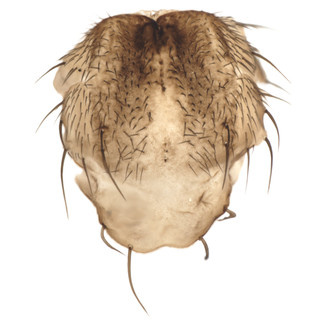
A recent study published in PLOS Genetics reveals that the Hippo signaling pathway significantly influences cuticle pigmentation and dopamine metabolism in the fruit fly Drosophila melanogaster. Pigmentation is a complex biological trait that plays essential roles in development, physiology, and evolution. In insects, the melanization of the cuticle relies on dopamine biosynthesis, which involves key enzymes such as Tyrosine hydroxylase (TH) and Dopa decarboxylase (Ddc). Previous studies hinted at a connection between the Hippo signaling pathway, primarily known for its role in regulating tissue growth, and cuticle pigmentation, but systematic investigations into this relationship were lacking. The researchers conducted tissue-specific gene knockdown and epistatic analysis, demonstrating that all genes in the canonical Hippo signaling pathway, including hippo (hpo), salvador (sav), mats, warts (wts), yorkie (yki), and scalloped (sd), are involved in regulating pigmentation in the fly notum. Interestingly, while manipulation of Hippo signaling in dopaminergic neurons did not alter global dopamine levels in the fly brain, developmental inhibition of this pathway increased dopamine levels in the fly head. This indicates that dopamine regulation in the nervous system differs from that in epithelial cells. Through single nuclei RNA sequencing of developing fly nota and functional studies of differentially expressed genes, the researchers identified numerous genes that contribute to cuticle pigmentation downstream of Hippo signaling. Their findings suggest that the regulation of cuticle pigmentation by Hippo signaling occurs through multiple downstream genes rather than directly through TH and Ddc. The study proposes that the Drosophila cuticle may serve as a valuable platform for identifying previously uncharacterized mediators of Hippo signaling and testing the functionality of rare genetic variants associated with various diseases in humans. The implications of this research extend beyond basic biology, as understanding the mechanisms of pigmentation could provide insights into disorders related to dopamine and pigmentation in humans. Overall, this study highlights the importance of the Hippo signaling pathway in pigmentation and opens new avenues for research into its role in health and disease.