Researchers at Yale have discovered a novel method to enhance the production of polycystin-1, a protein crucial for treating autosomal dominant polycystic kidney disease (ADPKD). This genetic approach could lead to new therapeutic options for patients suffering from this common…
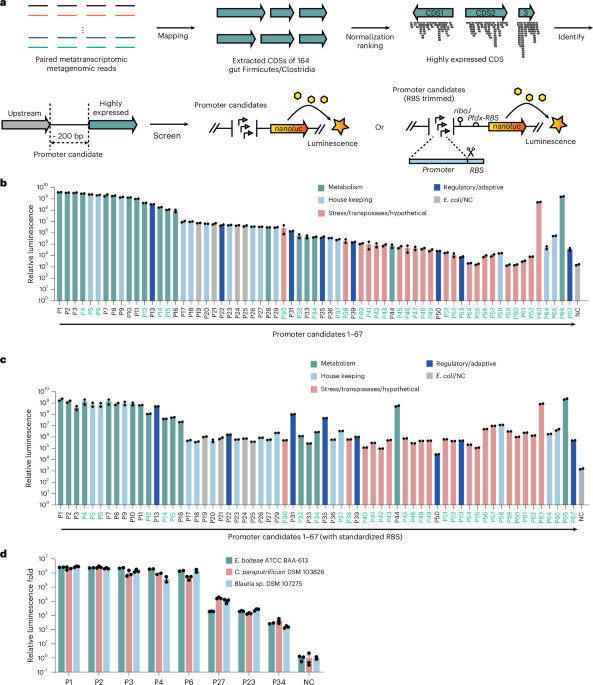
Researchers have developed a set of genetic engineering tools for nonmodel gut Clostridia, which play a crucial role in maintaining microbiota balance and influencing human health…
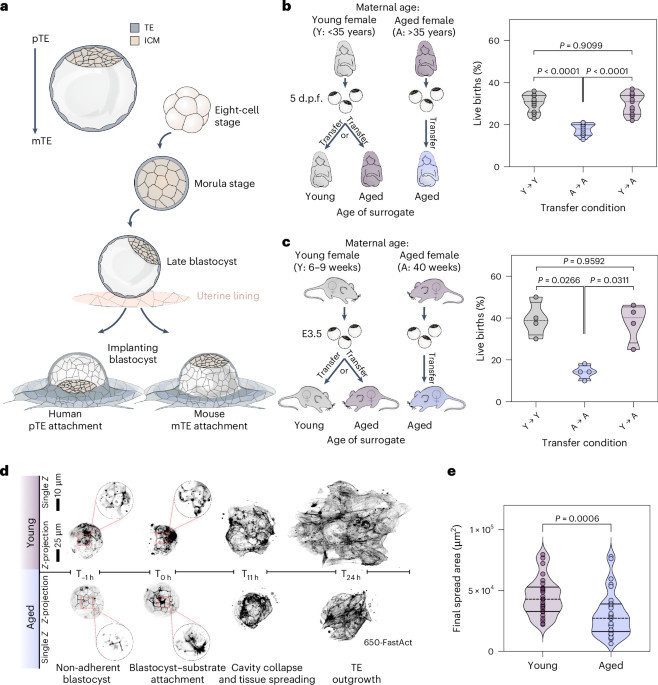
Research indicates that embryos from aged female mice exhibit increased contractility and tissue viscosity, leading to challenges in implantation. This study highlights the mechan…
New research from Gladstone Institutes reveals that the APOE4 gene, a major risk factor for Alzheimer's disease, may alter brain activity long before memory issues arise. The stud…
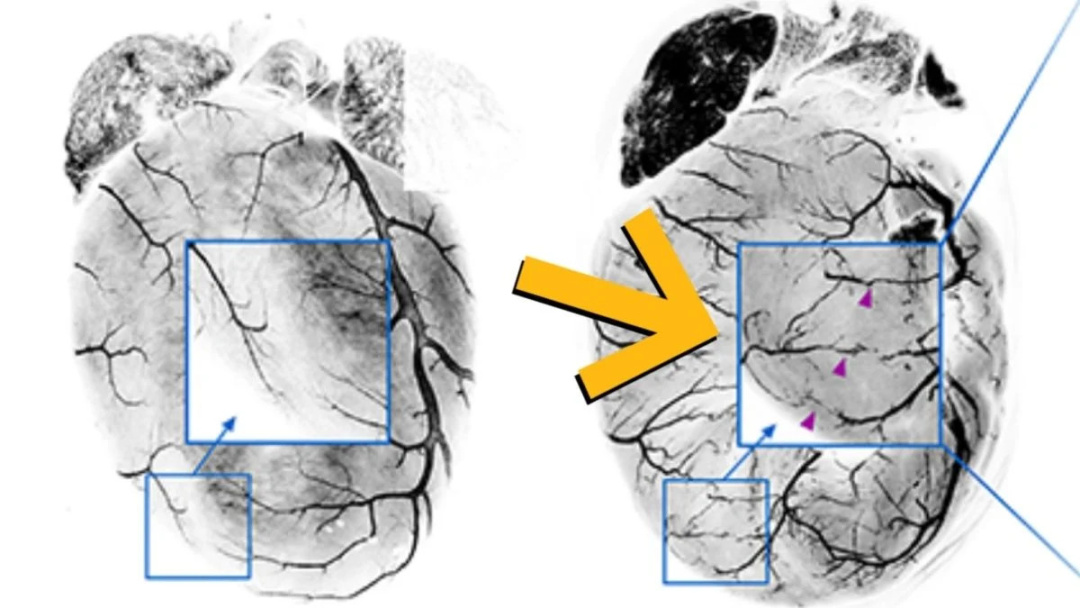
Research led by the University of Chinese Academy of Sciences has uncovered a new mechanism by which the heart can create bypass pathways after a heart attack. This study highligh…
Researchers at the University of Leeds have identified L-BAIBA, a molecule released during exercise, as a crucial regulator of muscle adaptation. This discovery offers insights in…
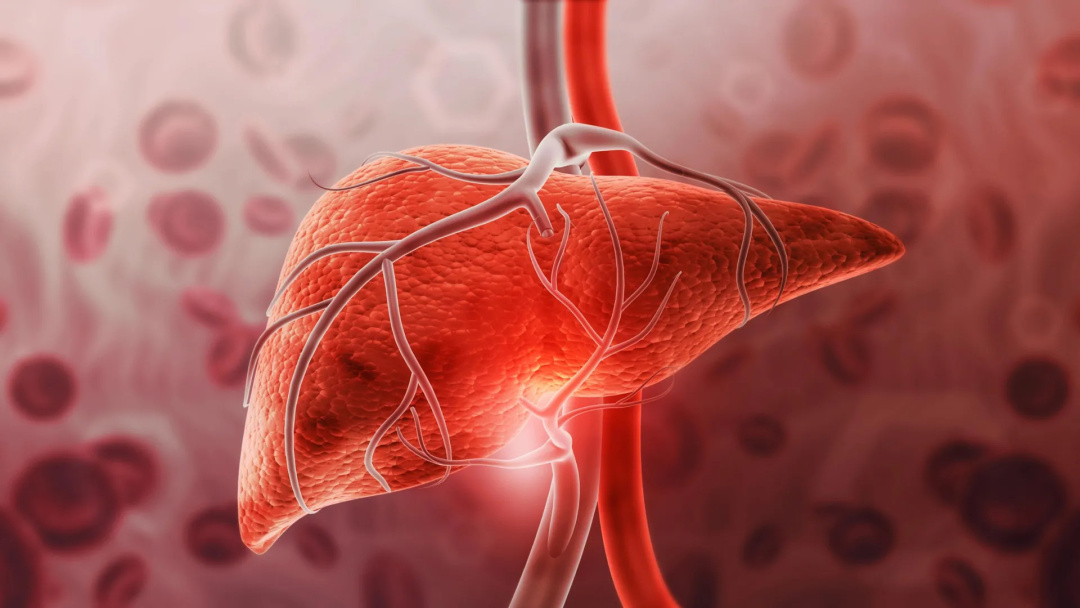
Researchers at McMaster University have found that GDF15, a hormone known for curbing appetite and aiding weight loss, also plays a significant role in protecting the liver from i…
Researchers at Yale University have developed a new vaccine for norovirus, effective in mouse models, which may also inform strategies for treating other RNA viruses. This vaccine…
Researchers at MIT have created a novel cell-preservation technique that could significantly improve the accessibility of CAR-T cell therapy for cancer patients. This method reduc…
Researchers at ETH Zurich have developed a compound known as Compound 10 that may slow the progression of Alzheimer's disease by targeting the GRK2 enzyme. In tests on mice, the c…
A recent study from German researchers indicates that diets high in fat may elevate the risk of colorectal cancer by fostering gut bacteria that produce harmful bile acids. The re…
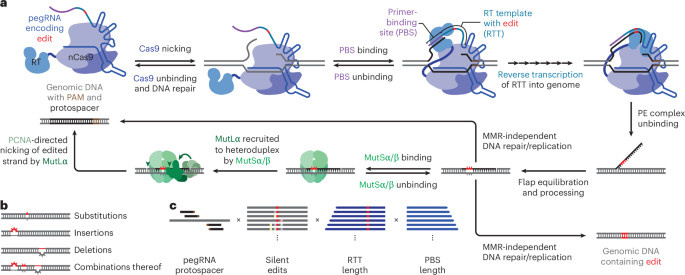
OptiPrime is a newly developed machine learning model that predicts the efficiency of prime editing in genomic DNA. By incorporating mechanistic insights into its design, OptiPrim…

 Breathing.Food