GDF15 Hormone Shows Potential in Protecting Liver from Inflammation Beyond Weight Loss
Researchers at McMaster University have uncovered an unexpected role for GDF15, a hormone already known for its appetite-suppressing and weight-loss properties. This hormone appears to protect the liver from inflammation through a previously unknown signaling pathway, potentially leading to new treatments for advanced fatty liver disease. Published in Cell Metabolism on August 10, 2026, the study reveals that GDF15 can reduce liver inflammation and slow the progression of liver scarring, even in the absence of weight loss. This finding challenges the prevailing notion that the benefits of GDF15 are primarily linked to its effects on appetite and body weight.
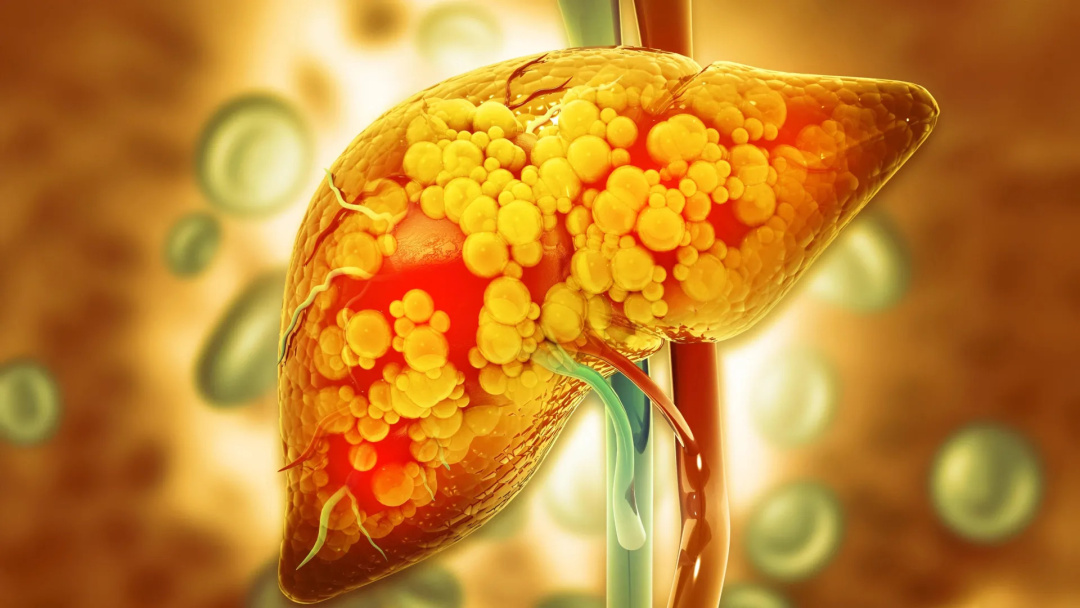
Millions globally suffer from metabolic dysfunction-associated steatohepatitis (MASH), an advanced form of fatty liver disease that can lead to severe complications such as cirrhosis and liver cancer. While new weight loss medications have improved outcomes for many patients, liver inflammation can persist even after significant weight loss. The identification of a biological pathway that regulates this inflammation suggests that future therapies could address liver inflammation alongside existing treatments focused on weight and fat reduction.
Gregory Steinberg, a professor in McMaster's Department of Medicine and co-director of the Centre for Metabolism, Obesity and Diabetes Research, stated, "Our findings show that GDF15 does much more than regulate appetite and body weight. We discovered that GDF15 activates a natural brain-to-liver signaling pathway that helps suppress liver inflammation and reduce fibrosis. This changes how we think about the hormone and suggests it may be part of the body's own defense system against chronic liver injury."
To investigate GDF15's impact on advanced liver disease, researchers utilized mouse models that closely mimic human MASH. They employed various techniques, including genetic, pharmacological, genomic, and spatial transcriptomics, to understand the hormone's activity. The results indicated that GDF15 initiates signaling from the brain through the nervous system, leading to the release of glucocorticoids. These steroid hormones are crucial for metabolism, immune function, and the body's stress response.
The glucocorticoids help suppress liver inflammation, with researchers observing these protective effects irrespective of changes in food intake, body weight, or liver fat. Furthermore, GDF15 appeared to slow the progression of liver fibrosis, which is the accumulation of scar tissue that occurs as liver disease advances.
Dongdong Wang, the study's first author and assistant professor in McMaster's Department of Medicine, noted, "GDF15 helps reprogram liver cells to reduce inflammation and scarring by advanced spatial technology. Instead of causing liver damage, GDF15 appears to help calm the liver's immune system, shifting immune cells into a more protective and less active state."
In previous research, Steinberg and Wang demonstrated that GDF15 aids in maintaining calorie burning during weight loss. The latest findings reveal a different function for the hormone: protecting the liver through a previously unknown anti-inflammatory pathway. Together, these studies could inform future therapies that specifically target liver inflammation, a significant factor in the progression of MASH that remains challenging to treat.
Steinberg, who is also an executive member of NexusHealth at McMaster and a chief scientific officer at Espervita Therapeutics, recently co-authored preclinical research on a promising drug candidate for advanced liver disease. This new study highlights a biological pathway that the body naturally utilizes to control liver inflammation, offering insights that could guide the development of future treatments.
Steinberg emphasized, "Current therapies largely focus on reducing body weight and liver fat. Our work suggests there may be value in combining those approaches with therapies that directly target inflammation. By understanding how the body naturally protects the liver, we can identify new opportunities to develop more effective treatments for people living with MASH."