New Genetic Tools for Gut Clostridia Could Influence Metabolic Health
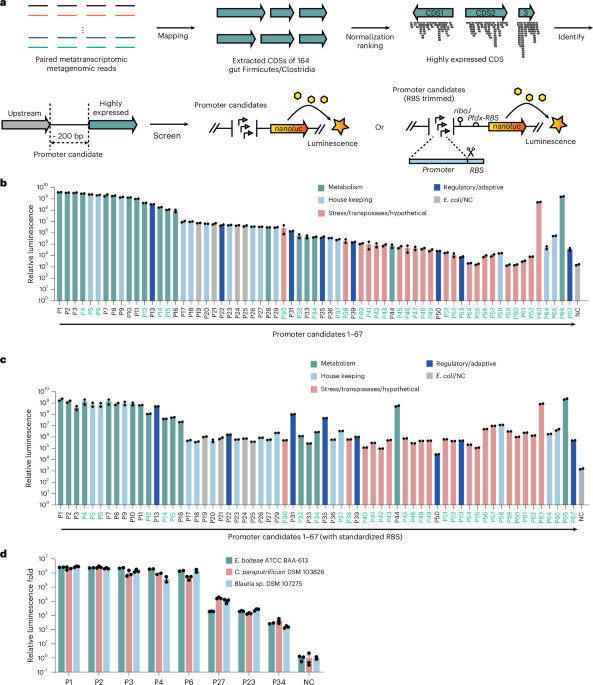
Gut Clostridia species, which include commensal members of the Clostridiaceae and Lachnospiraceae families, are essential for maintaining microbiota homeostasis and influencing human health and disease. However, the lack of adequate genetic toolsets has hindered research on these abundant but nonmodel gut Clostridia. Recently, a team of researchers introduced a set of transferable and modular genetic tools that function broadly across diverse phylogenetic groups of gut Clostridia. The study identifies a panel of strong constitutive promoters that drive robust gene expression across various clostridial strains. Additionally, an inducible promoter system has been developed, allowing for precise and tunable gene regulation, which facilitates the implementation of CRISPR–Cas gene-deletion systems. This system has been applied to achieve targeted and reversible control of trimethylamine and deoxycholic acid production—two microbiota-derived metabolites that are implicated in host lipid metabolism and associated diseases—in mouse models. The introduction of this robust genetic toolkit for nonmodel gut Clostridia paves the way for functional studies that could causally link microbiota genes to host physiology and disease, thereby opening avenues for therapeutic genetic engineering of the microbiota. The findings underscore the potential of these tools to enhance our understanding of the gut microbiome's role in health and disease, although further research is necessary to explore their implications fully.