Study Reveals Heart's Capacity to Create Bypass Mechanisms Post-Heart Attack
When heart attacks, known as myocardial infarctions, occur, they typically result from a blockage in a coronary artery that deprives the heart muscle of essential oxygen and nutrients. In response to such emergencies, the heart activates several biological mechanisms aimed at repair. Previous studies have indicated that the heart attempts to enlarge existing arteries and create new ones to bypass the blockage; however, these responses often fall short of preventing significant heart damage or fatalities.
A recent study conducted by researchers from the University of Chinese Academy of Sciences has shed light on a novel bypass mechanism involving the capillaries that connect arteries to veins. Published in the journal Science, this research reveals for the first time how this natural repair system operates and suggests ways to enhance it artificially to improve recovery outcomes following a heart attack.
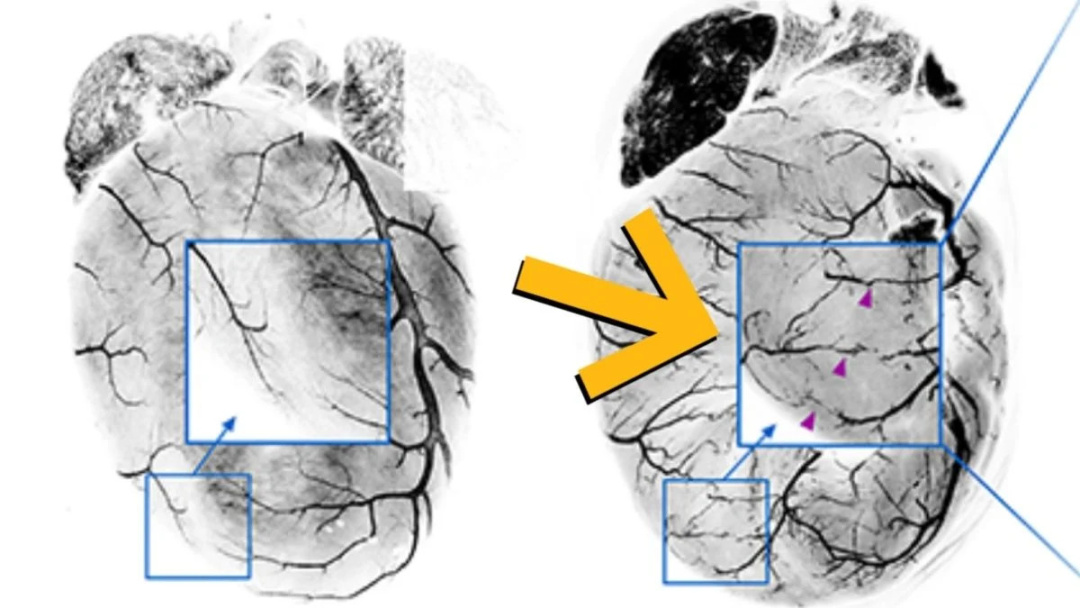
The researchers employed advanced cell-tracking techniques that surpassed those used in previous investigations, allowing them to observe the behavior of endothelial cells—cells that line blood vessels—in both major arteries and smaller capillaries. In mouse models simulating heart attack conditions, the findings were unexpected: it was primarily the endothelial cells within the smaller capillaries that undertook the majority of the work to reroute blood flow, rather than the larger arteries.
These capillaries were observed attempting to transform themselves into structures more akin to arteries as a part of the repair process. This adaptive mechanism mirrors the developmental process seen in newborn mice, where capillary endothelial cells come together to form small-diameter coronary artery branches during heart development.
In a follow-up to their findings, the researchers aimed to determine if they could enhance this bypass construction to improve treatment options for heart attack patients. They identified the signaling protein VEGF-A, known to promote blood vessel growth, as a potential candidate for this purpose. When administered to the mice in short, controlled bursts, VEGF-A triggered a chemical cascade that strengthened the newly formed bypass arteries.
Mice receiving the optimized VEGF-A treatment exhibited improved blood flow around the injury site, reduced heart scar size, and enhanced heart function. The researchers noted that moderate supplementation of VEGF-A might also restore microcirculatory function, indicating that targeting the vascular microenvironment could represent a promising therapeutic strategy for ischemic heart disease.
It is important to note that these findings are based on mouse models, and while they suggest similar processes may occur in human hearts post-injury, further research is necessary. The survival rate for heart attack patients in the U.S. has exceeded 90% for those hospitalized, yet many survivors experience lasting damage that can lead to further cardiovascular issues. By developing treatments that enhance blood flow and minimize scarring immediately following a heart attack, there is potential to significantly improve patient outcomes.
As researchers continue to unravel the mechanisms behind this natural bypass system, they may pave the way for innovative drug therapies aimed at assisting the heart's own repair processes after injury. The study underscores the significance of capillary arterialization as a central mechanism in the body's natural revascularization efforts and highlights the potential for new therapeutic strategies in managing ischemic heart disease.