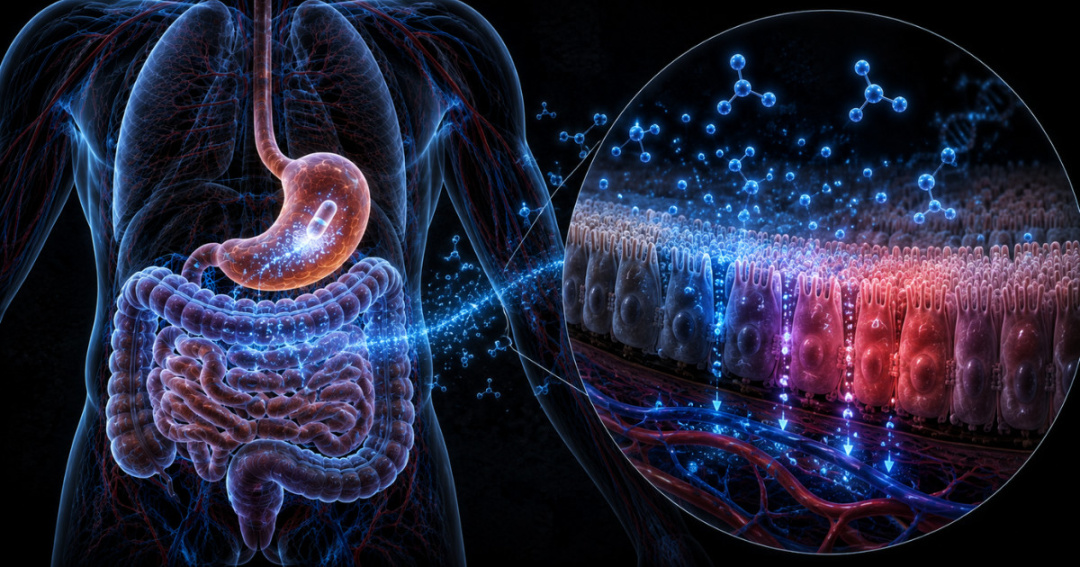
Researchers at Karolinska Institutet have discovered that gut microbes can convert nitrate and non-haem iron from vegetables into dinitrosyl iron complexes (DNICs), which may help protect against cardiovascular and metabolic diseases. This study highlights a new mechanism throug…
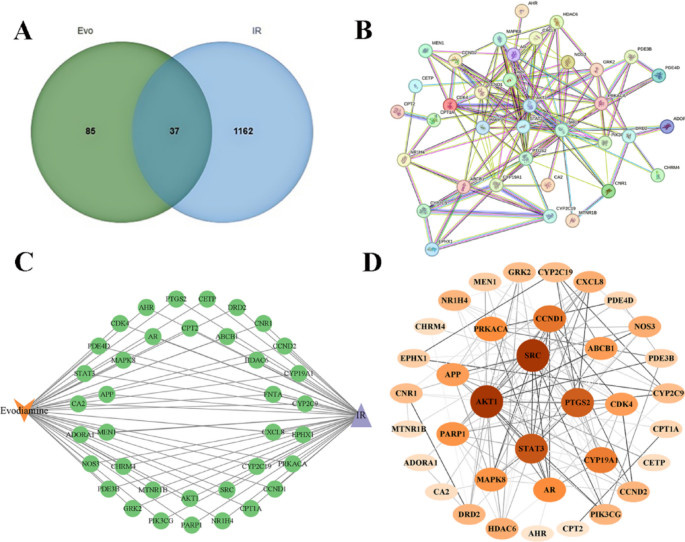
A recent study investigates the therapeutic potential of evodiamine in addressing insulin resistance associated with type 2 diabetes. The research highlights the compound's effect…
Researchers at UC Berkeley have discovered that the compound TOFA can enhance energy expenditure and reduce body fat without causing muscle loss in mice. This approach contrasts w…
A recent study published in Science Advances suggests that urolithin A, a compound derived from pomegranates and other plant foods, may improve heart function in individuals with…
A recent review published in the journal Nutrients explores the health benefits of blueberries, emphasizing their nutritional profile and potential physiological effects. The revi…
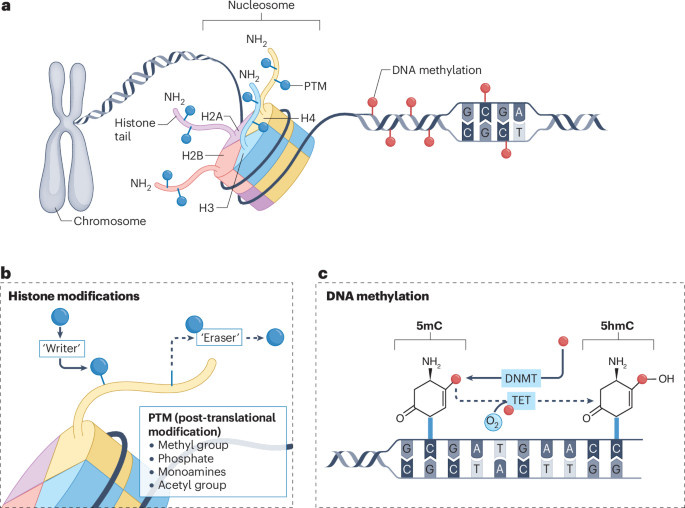
Recent research highlights how early life stress can lead to significant epigenetic changes that affect brain development and increase the risk of neuropsychiatric disorders. This…
A recent study from Finland suggests that regular coffee consumption is associated with lower total and abdominal fat, increased muscle mass, and healthier metabolic markers. The…
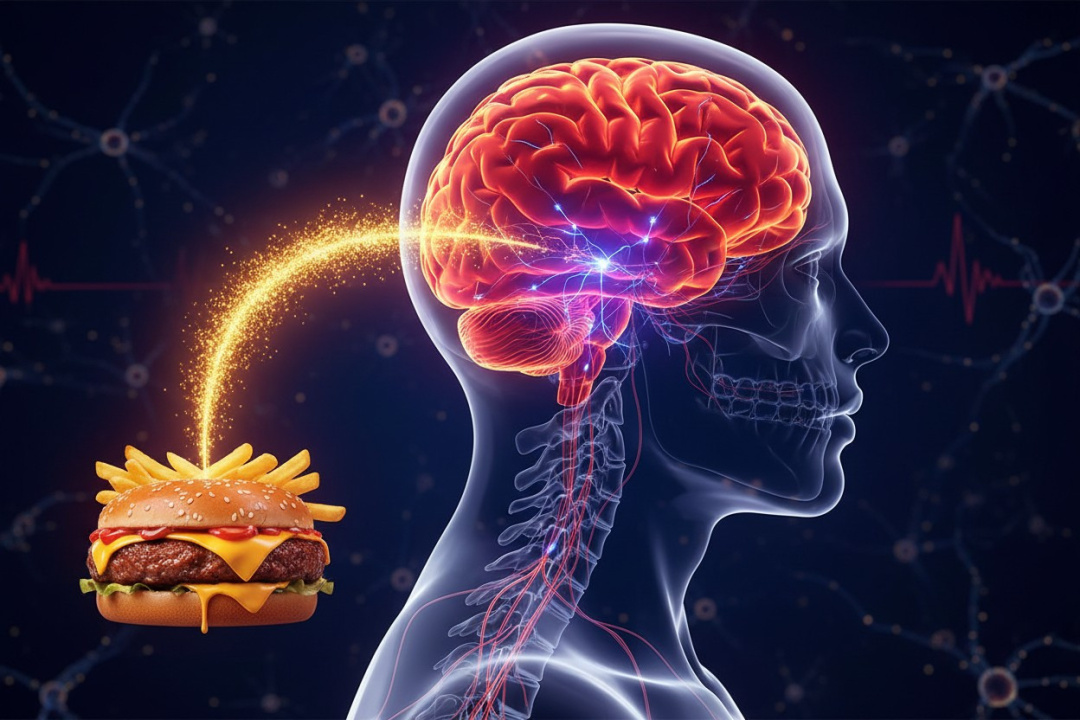
A recent study has identified a brain mechanism that may explain why individuals overconsume fatty foods. Conducted on animal models, the research highlights how specific neural c…
Oral KPV peptide capsules utilize a specific gut transporter, PepT1, which increases in inflamed tissue, allowing for targeted delivery of the peptide where it is needed most. Thi…
A recent review published in the journal Genes and Diseases explores the connections between obesity and biological aging. The authors, Rui Zhang and colleagues, highlight how obe…
A study from the University of Oulu reveals that habitual coffee consumption is associated with better metabolic health and distinct hormonal profiles among participants. The rese…
Researchers at Revel Pharmaceuticals have developed a synthetic enzyme that significantly reduces advanced glycation end products (AGEs) in aging human tissue, potentially reversi…
Rapamycin, an anti-aging compound discovered in 1964 from soil on Easter Island, has been shown to extend the lifespan of laboratory mice by up to 38%. Initially developed as an a…
 Breathing.Food