Study Reveals Gut Bacteria Transform Vegetables into Heart-Healthy Molecules
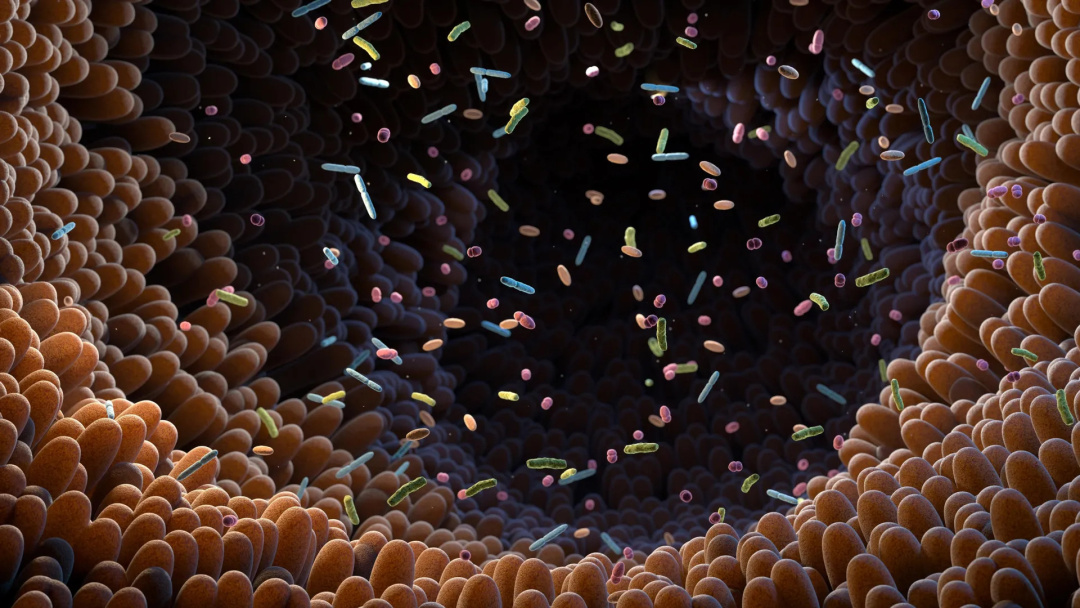
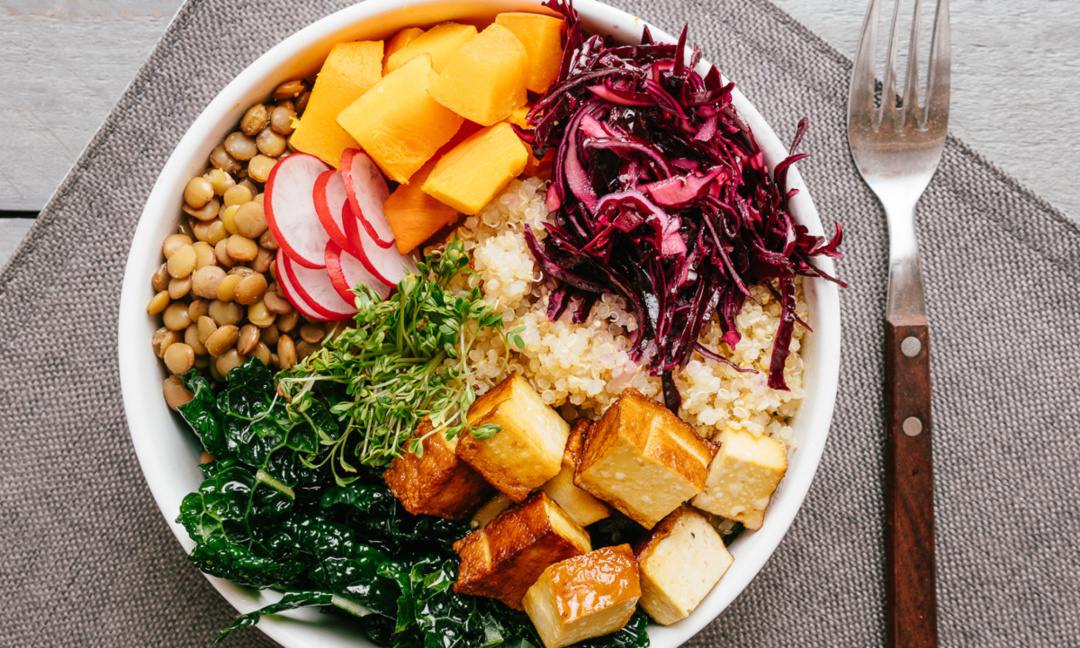
Researchers at Karolinska Institutet have made significant strides in understanding how gut microbes can transform dietary components into beneficial molecules that may protect against cardiovascular and metabolic diseases. Their findings, published in the journal Cell, reveal that gut bacteria can convert nitrate, which is abundant in vegetables like beetroot and leafy greens, and non-haem iron, found in plant-based foods such as beans and whole grains, into compounds known as dinitrosyl iron complexes (DNICs). These DNICs can then be absorbed into the body and transported to various organs, particularly the liver and kidneys, where they may exert protective effects.
The study involved a series of experiments using mice, human samples, and advanced analytical techniques to detect DNICs in various tissues. Notably, the researchers found that DNICs were absent in germ-free mice, underscoring the essential role of gut microbes in their formation. Senior researcher Andrei L. Kleschyov emphasized that their results demonstrate how gut bacteria can convert food components into biologically active molecules that influence critical bodily functions.
To further investigate the health implications of DNICs, the researchers increased their levels in animal models of cardiovascular and metabolic disease by administering dietary supplements containing nitrate and iron or by providing synthetically produced DNICs. The results showed that higher levels of DNICs were linked to several health improvements, including lower blood pressure, enhanced vascular function, better blood sugar control, and reduced fat accumulation in the liver. These findings provide insight into why diets rich in vegetables, which contain both nitrate and iron, are associated with a lower risk of various diseases.
The researchers believe their findings reveal a previously unknown mechanism through which diet and specific gut bacteria may collaborate to support health. However, they caution that much of the research was conducted in experimental models, indicating that further studies are needed to understand how these processes operate in humans. The next steps for the research team include developing reliable methods to measure DNIC levels in humans and exploring how these molecules are produced and their effects on different physiological processes. They are also interested in determining whether dietary changes or modifications to gut microbiota could potentially alter DNIC levels and help prevent disease.
This study was conducted in collaboration with the University Medical Centre Hamburg-Eppendorf and the Johannes Gutenberg University Medical Centre Mainz in Germany, and it was funded by several organizations, including the Swedish Research Council and the Swedish Heart-Lung Foundation. The researchers report no conflicts of interest related to this study.