Obesity Linked to Accelerated Biological Aging in Recent Review
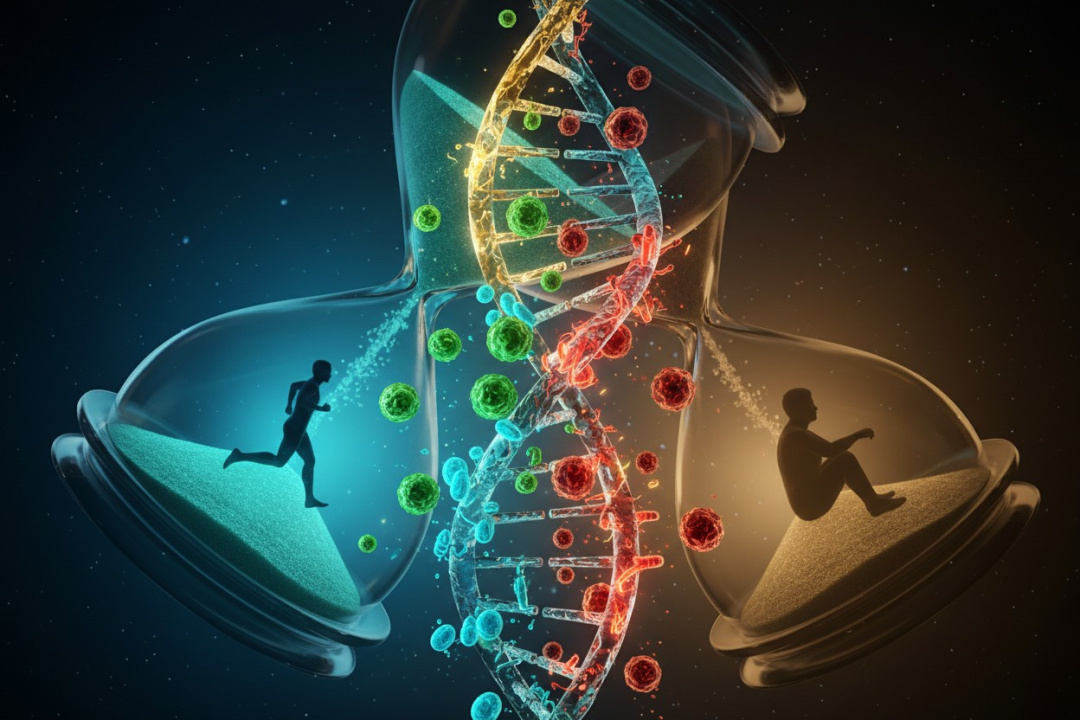
A review published on December 11, 2025, in the journal Genes and Diseases investigates the potential relationship between obesity and biological aging. Conducted by researchers Rui Zhang, Linlin Liu, Xiaoman Shi, and Yanming Ren from Sichuan University and Chongqing Medical University, the review draws on various studies to highlight how excess weight may be linked to accelerated aging processes. The authors note that approximately a quarter of adults in Canada are classified as overweight or obese based on body mass index, a statistic that tends to increase with age.
The review indicates that while obesity is associated with accelerated biological aging, the exact molecular mechanisms underlying this relationship remain largely unconfirmed. Previous research has suggested an inverse relationship between body fat and telomere length, a key biomarker of cellular aging. Chronic low-grade inflammation, often referred to as "inflammaging," has been noted as a contributing factor to telomere shortening and impaired cellular maintenance.
One significant study referenced in the review observed a dramatic increase—up to 20-fold—in inflammation-promoting immune cells within the adipose tissue of obese mice. This inflammatory response appears to extend beyond fat tissue, affecting vital organs such as the liver, brain, lungs, kidneys, and reproductive systems. The authors explain that inflammation can diminish mitochondrial function, which is crucial for energy production in cells, and disrupt autophagy, the body's natural mechanism for clearing damaged cellular components.
Additionally, the review highlights that obese individuals exhibit approximately double the DNA damage in their white blood cells compared to those of normal weight. Notably, young obese individuals show telomere lengths comparable to those of older adults, suggesting a concerning acceleration of cellular aging. Telomere shortening has been linked to increased mortality and cognitive decline, reinforcing the implications of obesity on overall health.
The review also discusses how obesity impacts various hallmarks of aging, including mitochondrial dysfunction and the accumulation of senescent cells, often referred to as "zombie cells" due to their harmful signaling despite ceasing to divide. These senescent cells have been found in fat tissue, brain regions associated with nerve growth, and the pancreas. Research has connected obesity-induced cellular senescence to anxiety and impaired neurogenesis in animal models.
Furthermore, the authors note that obesity alters gut microbiota, shifting it towards more inflammatory types, which mirrors patterns observed in normal aging. The review suggests that interventions such as calorie restriction and regular exercise may help mitigate DNA damage and promote telomere lengthening. Time-restricted eating has been associated with improved insulin sensitivity and fat metabolism, while consistent aerobic exercise has been linked to cognitive benefits.
The review also considers existing medications, noting that while liraglutide has shown promise in inhibiting markers of cellular aging in laboratory models, large-scale human trials confirming its anti-aging benefits are still lacking. The authors caution that medications similar to liraglutide come with documented side effects, including gastrointestinal issues and mood changes.
As a synthesis of previously published studies, this review underscores the need for further research to clarify the biological pathways connecting obesity with aging. The findings emphasize the importance of understanding these mechanisms to develop effective interventions. The research was supported by the National Natural Science Foundation of China, and the authors reported no known competing financial interests.














