This article explores how everyday and chronic stress can influence heart health, especially for individuals over 50. It emphasizes the body's stress response and suggests practical strategies for managing stress to support cardiovascular well-being.
A recent meta-analysis of athletes reveals that low energy availability (LEA) is common and can negatively impact health and performance. The study indicates that over half of the…
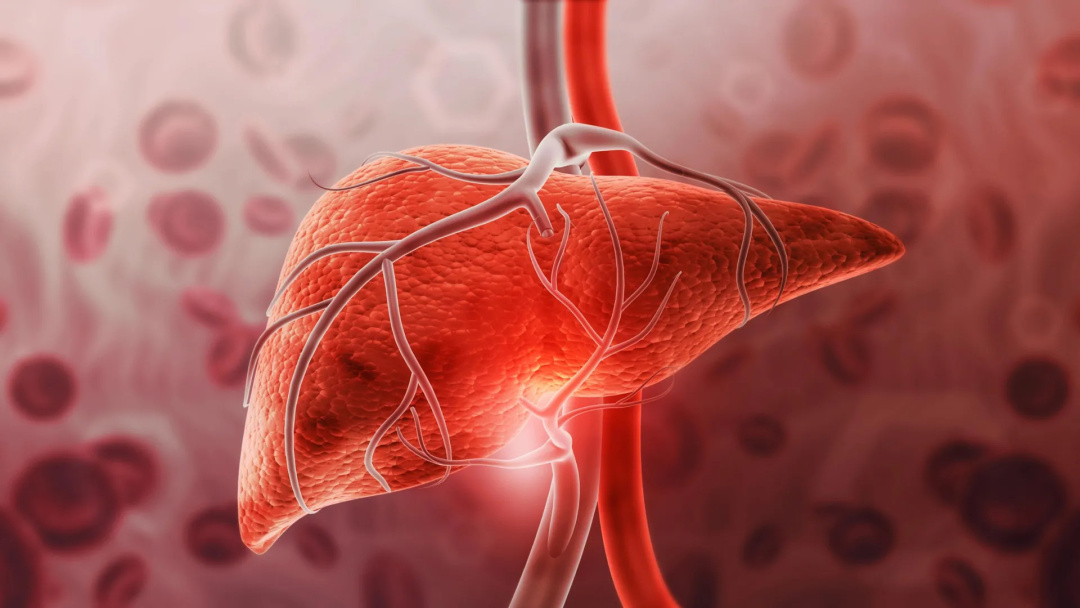
A recent study published in PLOS One examines the age-related molecular trajectories of metabolic dysfunction-associated steatotic liver disease (MASLD). The research highlights s…
A recent review explores how extreme heat may affect the gut-brain connection, highlighting changes in gut bacteria and potential inflammation. While animal studies suggest that h…
Researchers at McMaster University have found that GDF15, a hormone known for curbing appetite and aiding weight loss, also plays a significant role in protecting the liver from i…
Lion's mane mushroom, known scientifically as Hericium erinaceus, has been a staple in Asian medicine for centuries. Modern research highlights its unique compounds, hericenones a…
A recent study published in Nature Aging explores how aging blood stem cells may contribute to systemic inflammation, potentially impacting metabolic health. Researchers found tha…
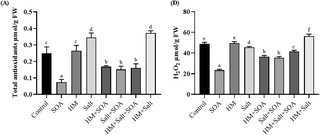
A recent study investigates how the endophytic fungus Aspergillus fumigatus can improve the growth and resilience of okra plants against salinity and cadmium stress. The findings…
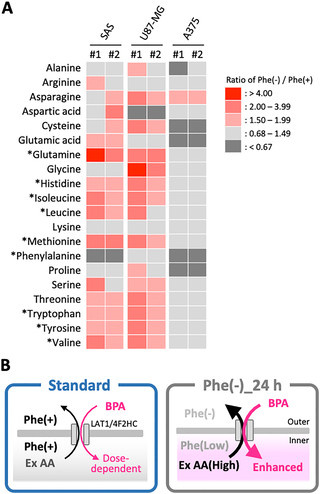
A recent study published in PLoS One investigates how restricting L-phenylalanine affects the uptake of L-boronophenylalanine in various tumor cell lines, potentially improving th…
Low vitamin D levels can significantly affect women's health beyond bone health, influencing mood, metabolic conditions like polycystic ovary syndrome (PCOS), and sleep apnea. Res…
A recent study underscores the crucial role of sleep in safeguarding health against the impacts of work-related stress. Researchers found that quality sleep is more effective than…
Research from Oregon State University indicates that individuals who frequently use cannabis may wake up with higher levels of cortisol, the body's primary stress hormone, compare…

 Breathing.Food