Study Reveals L-Phenylalanine Restriction Enhances Boron Uptake in Tumor Cells
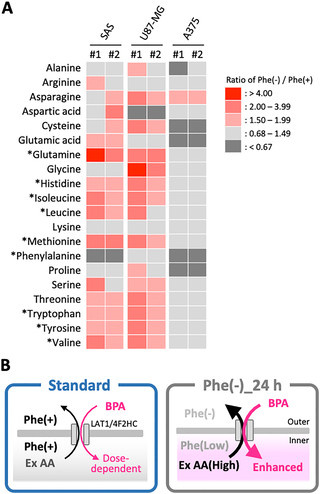
Boron neutron capture therapy (BNCT) is a specialized form of radiotherapy that utilizes the selective uptake of boron-10 compounds by tumor cells to enhance treatment efficacy. In a recent study, researchers explored the effects of L-phenylalanine (Phe) restriction on the uptake of L-boronophenylalanine (BPA), a key compound used in BNCT. The study involved various tumor cell lines, including SAS, U87-MG, and PANC-1, as well as the immortalized keratinocyte line HaCaT. The researchers found that restricting Phe increased BPA uptake in the tumor cells, which is crucial for improving BNCT outcomes. The study utilized inductively coupled plasma atomic emission spectroscopy (ICP-AES) to quantitatively analyze boron accumulation, revealing that a 24-hour Phe restriction significantly enhanced BPA uptake in the SAS, U87-MG, and PANC-1 cell lines. Colony formation assays further confirmed that these cells exhibited increased sensitivity to neutron irradiation following Phe restriction. RNA sequencing indicated that the restriction activated the integrated stress response pathway, although this was not directly linked to the enhanced BPA uptake. The LAT1/4F2HC complex, responsible for transporting BPA into cells, was identified as playing a significant role in this process. Additionally, liquid chromatography-tandem mass spectrometry (LC-MS/MS) analysis suggested that Phe restriction altered the levels of other amino acids that serve as substrates for LAT1/4F2HC, indicating a metabolic basis for the observed increase in BPA transport. Overall, the study concludes that targeted manipulation of amino acids, particularly through Phe restriction, may represent a promising strategy to enhance the efficacy of BNCT in cancer therapy. The implications of these findings highlight the potential for optimizing treatment protocols to improve therapeutic outcomes for patients undergoing BNCT.














