Heat's Impact on Gut-Brain Communication: Insights from Recent Research

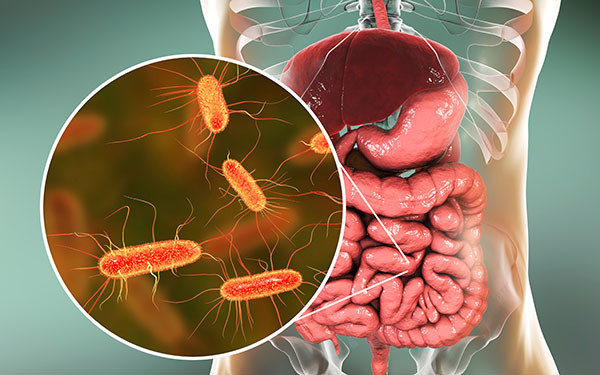
Researchers are increasingly examining how environmental factors, particularly heat, may influence the gut-brain connection. A recent review investigated the effects of extreme heat on the microbiota-gut-brain axis, which is the communication network between gut bacteria and the brain. This connection plays a crucial role in various bodily functions, including digestion and stress response. The review highlights that while heat can significantly impact the body, its effects on gut health are becoming a focal point of scientific inquiry.
The review compiles existing knowledge on how heat affects gut microbiota. It notes that heat exposure may lead to changes in the composition of gut bacteria, although the specific bacteria affected can vary across different animal studies. For instance, studies involving mice, rabbits, and other animals have shown consistent patterns of bacterial shifts in response to heat. Additionally, heat may compromise the integrity of the gut lining, which typically acts as a barrier to keep bacteria and their byproducts contained within the digestive tract. When this barrier weakens, substances can leak into the bloodstream, potentially triggering inflammation that disrupts communication along the microbiota-gut-brain axis.
However, the review cautions against overinterpreting these findings, as most studies have been conducted on animals rather than humans. One human study mentioned compared individuals who experienced heat-related illness during exercise with those who did not. The results revealed minimal differences in gut bacteria or inflammation levels between the two groups, although individuals who struggled with heat had a lower presence of Firmicutes bacteria compared to Bacteroidota. This observation raises questions about causality, underscoring the need for more human-centric research.
The review also discusses potential strategies for mitigating heat-related changes in gut health, such as probiotics, prebiotics, synbiotics, and postbiotic compounds, which are beneficial byproducts of gut bacteria. However, evidence supporting their effectiveness in countering heat-induced gut changes is still in its infancy. It is essential to note that these strategies are primarily research topics and not recommendations for immediate application.
Despite the findings, the review emphasizes that maintaining hydration and following a balanced diet that supports gut health are prudent practices during hot weather. As researchers continue to explore the implications of heat on gut health, the established habits that promote gut well-being throughout the year remain relevant.