Endophytic Aspergillus fumigatus Enhances Okra Growth Under Salinity and Cadmium Stress
In a recent study published in PLoS One, researchers explored the effects of the endophytic fungus Aspergillus fumigatus on okra plants (Abelmoschus esculentus L.) subjected to salinity and cadmium stress. Salinity and heavy metals are known to severely impact crop yields, and this research aimed to determine if endophytic fungi could enhance plant resilience under these abiotic stress conditions. The study found that inoculating okra with Aspergillus fumigatus led to a remarkable 28.9% increase in plant height, with treated plants reaching an average height of 33.24 cm compared to 25.79 cm in the control group. Additionally, the biomass of the plants improved significantly, with chlorophyll A content rising by 108.4% in the treated group, indicating enhanced photosynthetic capacity. The shoot dry weight also increased more than threefold in the inoculated plants.
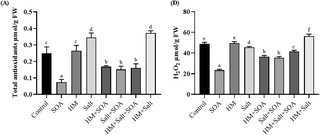
The study highlights the role of phytohormones in plant growth regulation. In SOA-treated plants, abscisic acid (ABA) levels decreased, suggesting a reduced stress response, while levels of gibberellic acid (GA) and indole-3-acetic acid (IAA) increased, promoting growth. Biochemical analyses revealed that the endophytic fungus contributed to higher accumulation of beneficial compounds such as lipids, sugars, phenols, and flavonoids, which are crucial for stress adaptation. Furthermore, the study noted that oxidative damage was mitigated through increased activities of antioxidant enzymes like catalase (CAT) and peroxidase (POD).
The findings suggest that Aspergillus fumigatus can modulate cadmium uptake, thereby reducing heavy metal toxicity in okra plants. This research underscores the potential of using endophytic fungi as a sustainable strategy to enhance crop productivity in environments affected by salinity and heavy metal contamination. The study's innovative approach of combining both salinity and cadmium stress in a single experimental setup provides valuable insights into the complex interactions between plants and their microbial partners, paving the way for future agricultural applications in improving crop resilience under adverse conditions.














