ApoB is a crucial protein linked to cardiovascular risk, and adopting specific diet and lifestyle habits can help lower its levels. This article outlines five effective strategies, including increasing soluble fiber intake, choosing healthier fats, engaging in regular physical a…
Recent research is reshaping our understanding of Alzheimer's disease, traditionally linked to toxic protein buildup. New findings suggest that issues within the cerebral vascular…
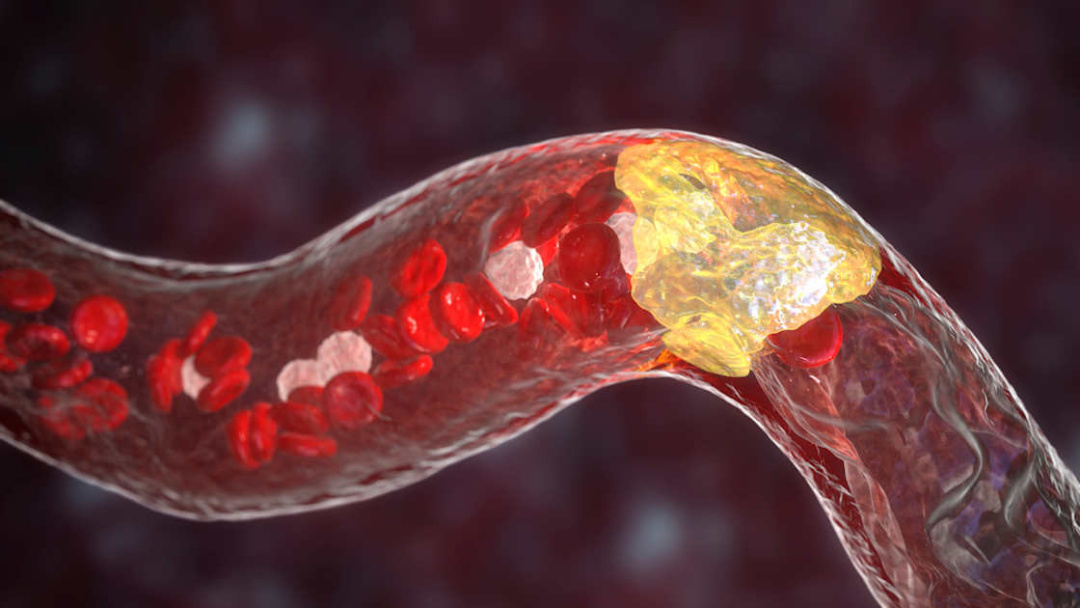
A recent study from Yale University has uncovered a potential therapeutic approach for atherosclerosis, a condition characterized by inflammation and plaque buildup in arteries. T…
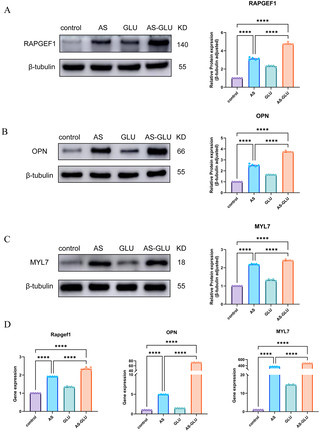
A recent study investigates the impact of oral glutamate administration on atherosclerosis progression in high-fat diet-fed ApoE ⁻ / ⁻ mice. The findings suggest that glutamate ma…
A recent study from Mass General Brigham Heart and Vascular Institute has identified five modifiable risk factors that may increase the risk of heart attacks by contributing to th…
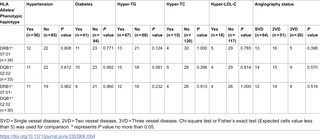
A recent study examined the relationship between specific genetic polymorphisms of HLA-DRB1 and HLA-DQB1 and the susceptibility to coronary atherosclerosis in a Northeast Chinese…
The FDA has approved Lipfendra (enlicitide), marking the first oral proprotein convertase subtilisin/kexin type 9 (PCSK9) inhibitor for adults with high cholesterol. This approval…
The FDA has approved Lipfendra, the first once-daily oral PCSK9 inhibitor, which can reduce LDL cholesterol levels by 56% to 60% when used alongside statins. Developed by Merck, t…
A recent study published in the Journal of Clinical Lipidology suggests that incorporating one avocado into the daily diet may help reduce low-density lipoprotein (LDL) cholestero…

 Breathing.Food