Study Reveals Cancer Drug's Potential to Reduce Atherosclerosis Inflammation
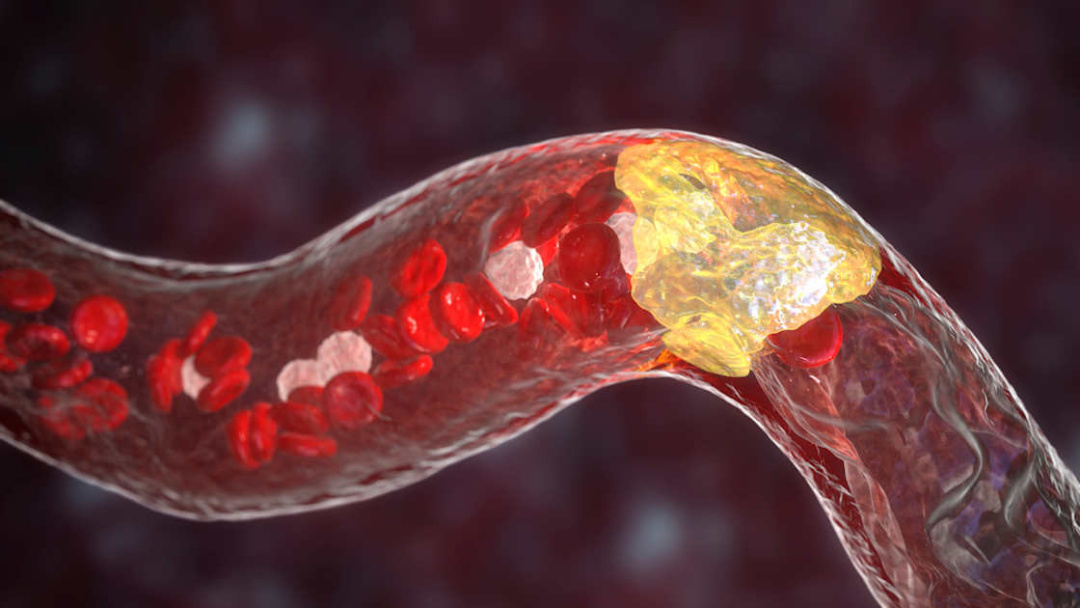
A new study from Yale University has identified a promising therapeutic avenue for atherosclerosis, a condition characterized by inflammation and plaque buildup in arteries. The research, led by Martin Schwartz, PhD, Robert W. Berliner Professor of Medicine (Cardiology), investigates how mechanical forces from blood flow and pressure impact the cells lining the arteries and contribute to cardiovascular disease. Atherosclerosis primarily affects areas of the arteries that bend or branch, which disrupts blood flow dynamics and activates inflammatory pathways, leading to plaque accumulation.
Published on August 31 in the Proceedings of the National Academy of Sciences, Schwartz's team, including associate research scientist Divyesh Joshi, PhD, discovered that a protein complex known as Polycomb Repressive Complex 2 (PRC2) is linked to disturbed blood flow and inhibits anti-inflammatory mechanisms in arteries that could otherwise mitigate atherosclerosis.
By blocking PRC2, the researchers successfully reduced harmful plaque in animal models of the disease. Schwartz explains, "By inhibiting PRC2, we boost protective pathways that reduce inflammation and could protect people from plaque rupture in atherosclerosis."
Atherosclerotic plaques are common in nearly all adults in developed nations and are often asymptomatic due to the formation of a protective fibrous cap over them. However, if this cap weakens and ruptures, it can lead to blood clot formation, resulting in heart attacks or strokes. Plaques that are vulnerable to rupture typically have thinner caps or exhibit increased inflammation.
Schwartz identifies three main factors driving atherosclerosis: metabolic risk factors like elevated cholesterol and blood sugar, inflammation, and the biomechanics of blood flow through arteries. In straight sections of arteries, blood flow activates protective, anti-inflammatory genes, whereas in areas with sharp curves, the disturbed flow leads to reduced protective factors and increased inflammation.
The vascular endothelial cells lining the arteries contain receptors that sense blood flow. Previous research from Schwartz's laboratory has shown that blocking these receptors can inhibit inflammatory processes and enhance protective responses. The current study delves into the mechanisms behind inflammation associated with disturbed blood flow.
Using previously published datasets, the researchers examined genes that interact with anti-inflammatory genes in endothelial cells and identified those promoting disease. They found that genes linked to PRC2, which inhibits gene expression, were associated with the suppression of certain anti-inflammatory genes. Joshi notes, "PRC2 is understood to be pro-inflammatory in vascular endothelial cells."
The team also analyzed gene expression in human endothelial cells subjected to both normal and disturbed blood flow, confirming that PRC2-associated genes are upregulated during disturbed flow, where inflammation is heightened. Treatment of endothelial cells with tazemetostat, a drug that inhibits PRC2 and was previously used for cancer treatment, resulted in reduced inflammatory signals, indicating that targeting PRC2 could be a viable treatment for atherosclerosis.
To further explore PRC2 inhibition as a therapeutic option, the researchers developed animal models of atherosclerosis and tested the effects of tazemetostat. They found that the drug slowed plaque growth and reduced the amount of vulnerable plaque. Schwartz stated, "It takes an unstable plaque and turns it into a more stable form that is no longer at risk of rupture."
Despite the promising findings, it is important to note that the manufacturers of tazemetostat have withdrawn it from the market due to emerging evidence suggesting a slightly increased risk of secondary cancers in patients taking the drug. However, the researchers believe that other PRC2-inhibiting drugs may also be effective in treating atherosclerosis. Schwartz concludes, "This is a potential path forward to treating patients."
The research was supported by the National Institutes of Health (award R01HL75092) and Yale University, with additional backing from the Leducq Foundation, Research Ireland, Fundación Obra Social La Caixa, and the American Heart Association.